
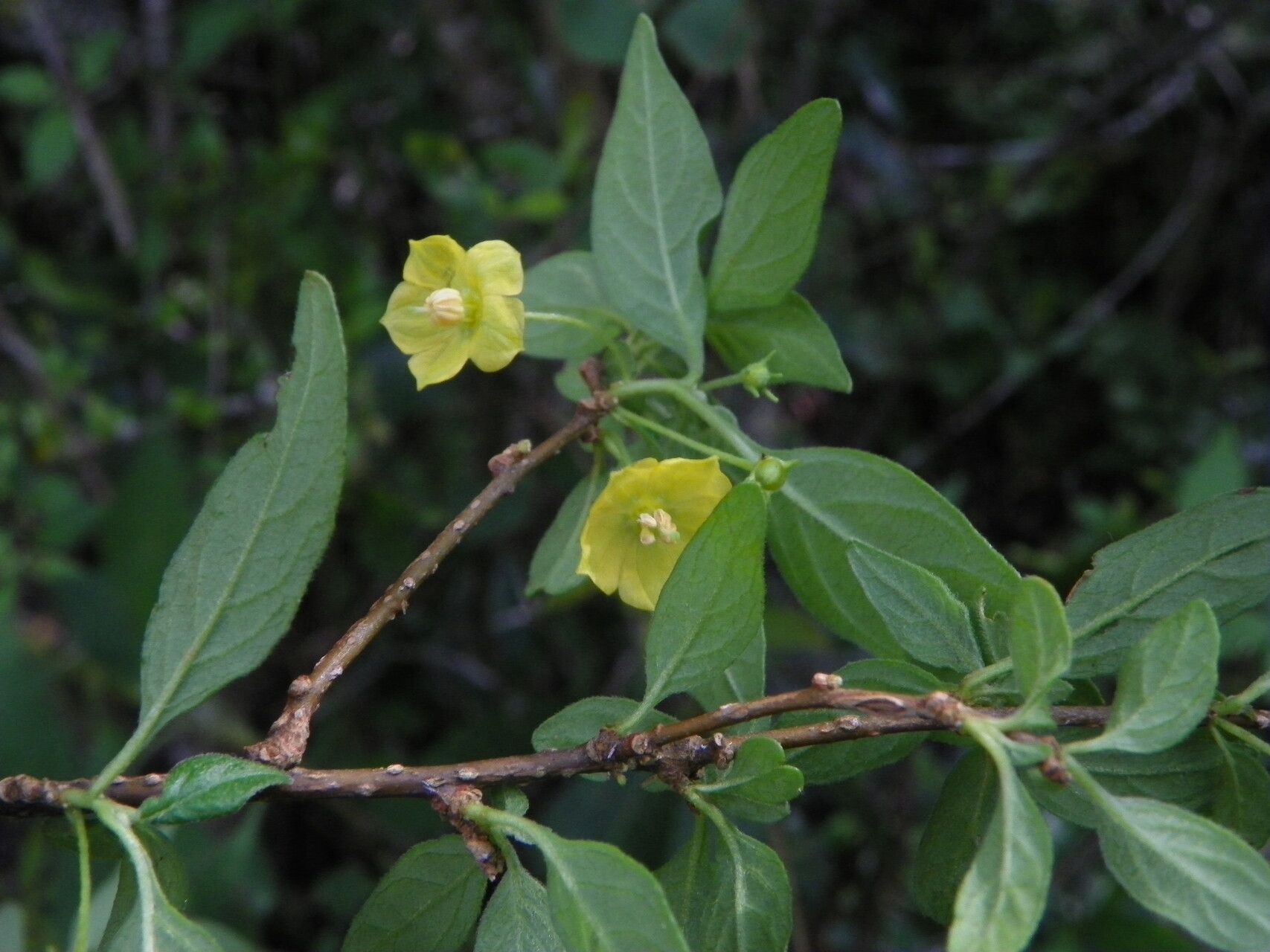
Unlocking the Secrets of Capsicum rhomboideum: A Guide to Propagating This Rare Pepper
The world of chili peppers is vast and diverse, offering a captivating array of flavors, aromas, and heat levels. While many are familiar with the likes of jalapeños and habaneros, there exists a hidden gem amongst pepper enthusiasts: the Capsicum rhomboideum. This rare and beautiful plant, hailing from the cloud forests of South America, produces small, vibrant fruits with a unique fruity flavor and mild heat.
If you’re intrigued by the allure of cultivating this exotic pepper, you’re in the right place. This guide will delve into the fascinating world of Capsicum rhomboideum propagation, equipping you with the knowledge and confidence to grow your own thriving plants.
Two Paths to Pepper Perfection: Seed vs. Cuttings
There are two primary methods for propagating Capsicum rhomboideum:
- Seed Propagation: This method, while more commonly employed, can be slightly trickier with C. rhomboideum due to the seeds often having lower germination rates.
- Propagation from Cuttings: Offering a faster route to mature plants, this method involves rooting stem cuttings taken from an established plant.
Sowing Seeds for Success
While slightly more challenging, starting from seed allows you to witness the entire life cycle of your C. rhomboideum. Here’s how:
- Source Fresh Seeds: Obtain seeds from a reputable supplier to ensure viability.
- Prepare Your Seed Starting Mix: Use a well-draining, sterile seed starting mix.
- Sow Your Seeds: Plant the seeds about ¼ inch deep in the moistened mix.
- Provide Warmth and Humidity: Place the seed trays in a warm location (75-85°F) with high humidity. A heat mat and humidity dome can be incredibly beneficial.
- Be Patient: Germination can take anywhere from 2 to 6 weeks, sometimes even longer. Don’t lose hope if you don’t see sprouts immediately.
Mastering the Art of Cuttings
For a quicker and often more successful approach, consider propagating from cuttings:
- Select Healthy Stems: Choose healthy, non-flowering stems from a mature C. rhomboideum plant.
- Take Your Cuttings: Using a sterile, sharp knife or pair of scissors, make a cut just below a leaf node.
- Prepare the Cuttings: Remove the lower leaves, leaving 2-3 leaves at the top.
- Rooting Hormone (Optional): Dip the cut end in rooting hormone to encourage root development.
- Plant Your Cuttings: Insert the cuttings into a well-draining rooting medium, like a mix of perlite and peat moss.
- Maintain Humidity: Place a humidity dome or plastic bag over the cuttings to create a humid environment.
- Monitor for Root Development: After a few weeks, gently tug on the cuttings. Resistance indicates successful rooting.
Nurturing Your Capsicum Rhomboideum
Once your seedlings or cuttings establish roots, it’s time to provide them with the right conditions to thrive:
- Light: Place your plants in a bright location with at least 6 hours of sunlight per day. A south-facing window is ideal.
- Watering: Water thoroughly when the topsoil feels dry to the touch, avoiding overwatering which can lead to root rot.
- Fertilizer: Use a balanced fertilizer diluted to half strength every 2-3 weeks during the growing season.
Reaping the Rewards
With proper care and attention, your Capsicum rhomboideum will reward you with its unique, vibrantly-colored fruit. These peppers, boasting a distinct fruity flavor and mild heat, are a culinary delight. Enjoy them fresh, pickled, or incorporated into salsas and sauces for a taste of something truly special.
Propagating Capsicum rhomboideum may require a bit of patience and dedication, but the rewards are well worth the effort. So, take the plunge and embark on the journey of growing this rare and delightful pepper. The experience will surely add both spice and satisfaction to your gardening adventures.