
Unlocking the Secrets of Thrinax Parviflora Propagation: A Step-by-Step Guide
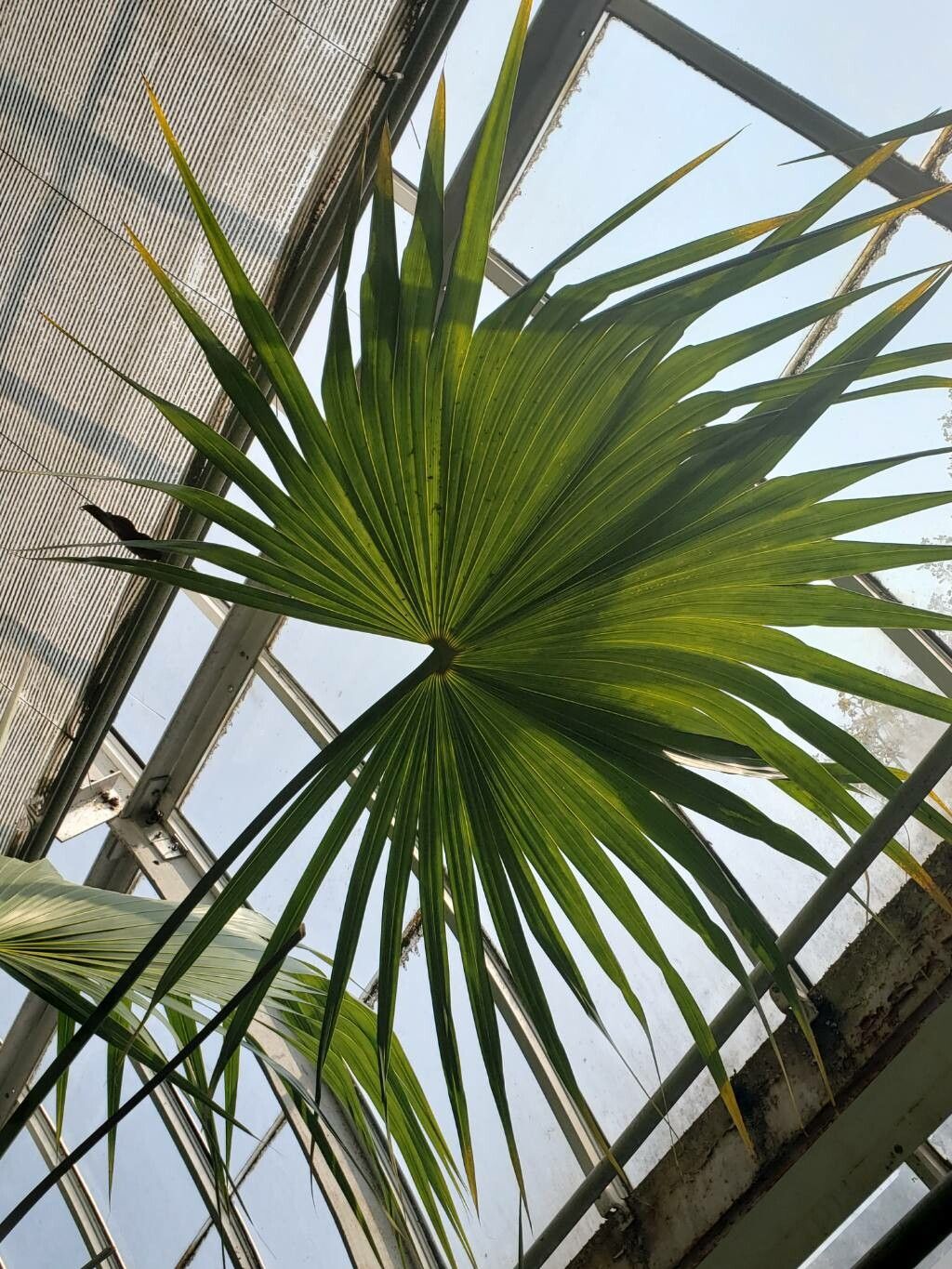
The Thrinax parviflora, also known as the smallflower thatch palm, is a stunning addition to any subtropical landscape. This elegant palm, native to Florida and the Caribbean, captivates with its slender trunk, fan-shaped leaves, and graceful silhouette. While admired for its beauty, many aspiring palm enthusiasts hesitate to propagate this species, unsure of the methods and potential challenges.
Fear not, for this guide delves deep into the world of Thrinax parviflora propagation, equipping you with the knowledge and confidence to grow your very own palm paradise.
Seeds: Nature’s Blueprints
The most common and rewarding method for propagating Thrinax parviflora is through seeds. Here’s a step-by-step breakdown:
1. Seed Collection and Preparation:
- Collection: Thrinax parviflora fruits ripen to a dark blue or purplish-black color. Look for mature fruits that fall readily from the plant.
- Cleaning: Remove any remaining fruit pulp and rinse the seeds thoroughly in water.
- Scarification (Optional): To enhance germination rates, gently nick or scarify the hard outer shell of the seed using a nail clipper or sandpaper. This allows water to penetrate more easily.
2. Sowing the Seeds:
- Medium: Choose a well-draining seed-starting mix or create your own using equal parts peat moss, perlite, and vermiculite.
- Container: Opt for seedling trays, small pots, or even plastic bags with drainage holes.
- Depth: Sow seeds at a depth of about half an inch, ensuring they are covered with the growing medium.
3. Providing Optimal Conditions:
- Moisture: Keep the soil consistently moist but not waterlogged. Use a spray bottle to prevent disturbing the seeds.
- Temperature: Thrinax parviflora seeds germinate best at temperatures between 75°F and 85°F (24°C – 29°C). Consider using a seedling heat mat to maintain optimal warmth.
- Light: While the seeds don’t require light to germinate, provide bright, indirect sunlight once the seedlings emerge.
4. Patience is Key:
- Germination Time: Thrinax parviflora seeds are known for their variable germination time, ranging from a few weeks to several months. Don’t lose hope if you don’t see sprouts immediately; continue providing consistent care.
Transplanting Your Palm Treasures:
- Timing: Once your seedlings develop several sets of true leaves and a strong root system (around 6-12 months), they are ready for transplantation.
- Potting Mix: Choose a well-draining potting mix specifically formulated for palms.
- Container Size: Select a pot slightly larger than the current root ball, ensuring proper drainage.
- Care: Water thoroughly after transplanting and place the young palm in a location with bright, indirect light.
Nurturing Your Thrinax Parviflora:
- Light: While young plants prefer partial shade, mature Thrinax parviflora thrive in full sun. Gradually acclimate them to increased light levels as they grow.
- Water: Water deeply but infrequently, allowing the soil to dry slightly between waterings.
- Fertilizer: Feed your palm regularly during the growing season (spring and summer) with a balanced, slow-release fertilizer specifically formulated for palms.
Propagating Thrinax parviflora is an enriching journey that allows you to witness the miracle of life firsthand. With a bit of patience and the right techniques, you can cultivate these elegant palms, transforming your surroundings into a tropical oasis.