
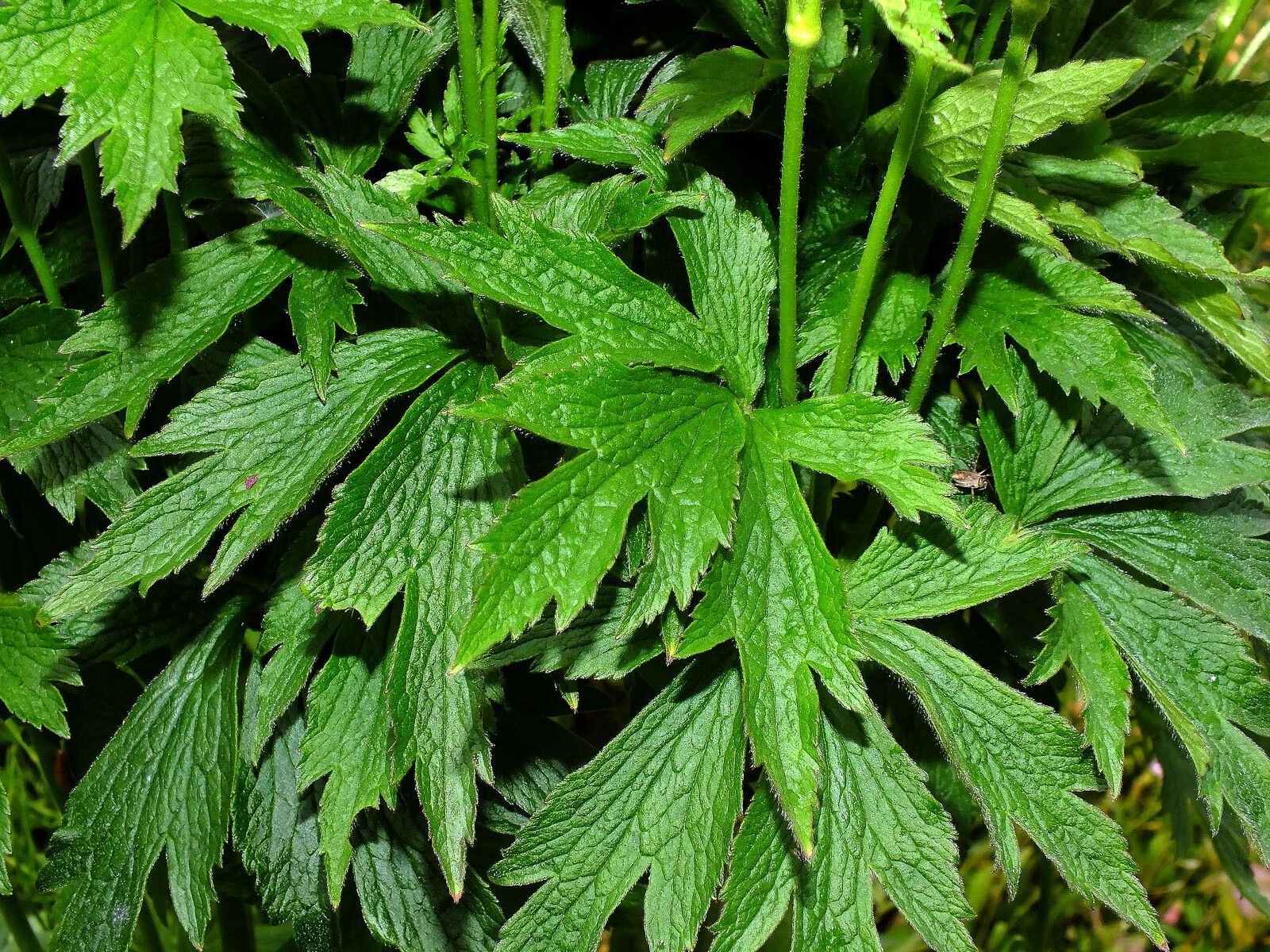
Taming the Wildflower: Propagating Anemone virginiana
The Anemone virginiana, also known as Thimbleweed or Tall Anemone, is a captivating wildflower boasting delicate white blooms that dance gracefully on slender stems. This North American native graces meadows and woodland edges with its charm, making it a sought-after addition to any naturalistic or wildflower garden. But what if you could encourage its enchanting presence beyond its natural habitat? Enter the intriguing world of plant propagation.
Luckily, coaxing new Anemone virginiana plants into existence isn’t as tricky as you might imagine. Let’s explore two effective methods:
1. Seed Propagation: A Test of Patience
Propagating Anemone virginiana from seed is a rewarding, albeit lengthy, process best suited for patient gardeners. Here’s how:
- Seed Collection: As autumn approaches, keep a watchful eye on your plants. The flowers transform into intriguing, thimble-like seed heads. Collect these heads when they turn brown and dry, gently extracting the seeds.
- Cold Stratification: Anemone virginiana seeds need a period of cold dormancy to germinate successfully. Mimic their natural cycle by storing the seeds in a moistened paper towel inside a sealed bag in your refrigerator for at least two months.
- Sowing: Once spring arrives, sow your stratified seeds in seed trays filled with a well-draining seed-starting mix. Gently press them onto the surface, barely covering them with a light sprinkle of soil.
- Patience is Key: Place the tray in a bright location, out of direct sunlight. Keep the soil consistently moist but not soggy. Germination can be erratic, taking anywhere from a few weeks to a few months.
- Transplanting: When your seedlings have developed a couple of true leaves, they’re ready to be carefully transplanted into individual pots. Gradually acclimate them to outdoor conditions before planting them in their permanent location in the garden.
2. Division: The Quicker Route to Expansion
For a faster and more predictable method, division is the way to go:
- Timing is Everything: Early spring or fall, when the plant is dormant, offers the ideal conditions for division.
- Gentle Separation: Carefully dig around the plant, ensuring you’ve lifted the entire root system. Using a sharp, clean knife or garden spade, divide the root ball into sections, making sure each division has a healthy clump of roots and shoots.
- Replanting: Place each division in a prepared hole in your garden, ensuring the crown of the plant sits level with the soil surface. Water thoroughly and mulch around the base to retain moisture.
Tips for Success:
- Anemone virginiana prefers partial shade, dappled sunlight, or even full shade in warmer climates.
- Well-drained soil is crucial to prevent root rot. Amend heavy clay soils with compost or other organic matter before planting.
- Once established, Anemone virginiana is relatively low maintenance. Water during dry spells and provide a balanced fertilizer in spring to support healthy growth.
Propagating Anemone virginiana, whether from seed or division, is a fulfilling endeavor that allows you to expand your garden with this charming wildflower. Enjoy the process, and revel in the beauty of these elegant blooms gracing your garden for years to come.