
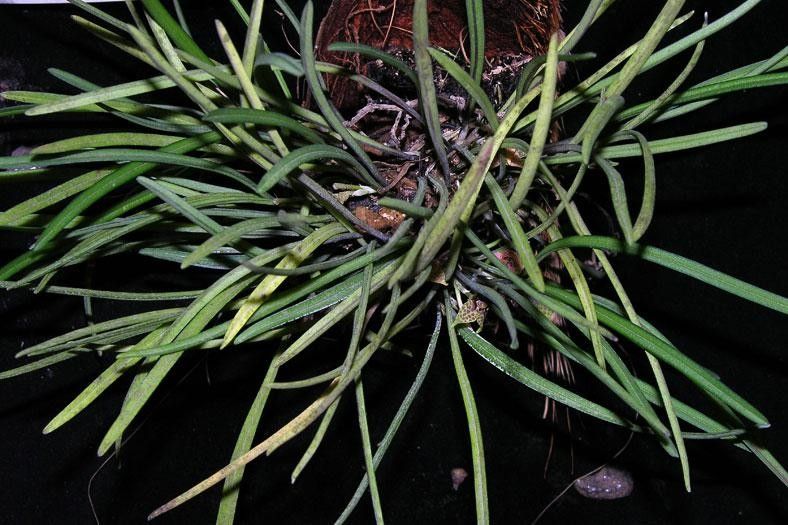
Unlocking the Secrets of Miniature Orchids: Propagating Dryadella guatemalensis
The world of orchids is vast and diverse, boasting species that range from the grandiose to the miniature. Among these tiny treasures lies Dryadella guatemalensis, a captivating miniature orchid species native to the misty forests of Guatemala. This charming epiphyte, with its delicate blooms and unique growth habit, has earned a place in the hearts of orchid enthusiasts worldwide. But venturing beyond admiring its beauty, how can one go about propagating this fascinating orchid?
Understanding the Plant
Before diving into propagation, it’s crucial to understand the unique nature of Dryadella guatemalensis. This miniature orchid thrives in humid environments, typically growing on mossy branches in the wild. It produces small, attractive flowers on delicate, thread-like stems, a characteristic that sets it apart in the orchid family. This knowledge of its natural habitat and growth patterns can guide us in recreating optimal conditions for successful propagation.
Propagation Methods
While Dryadella guatemalensis can be challenging to propagate, it’s not an insurmountable task. Here are the most common propagation methods:
1. Division:
- Best for: Mature, healthy plants with multiple growths or “divisions.”
- Process:
- Carefully remove the plant from its pot and inspect the root system.
- Identify sections with at least 3-4 healthy growths and gently separate them.
- Plant each division in a well-draining orchid mix and provide humidity and light similar to the parent plant’s environment.
2. Back Bulb Propagation:
- Best for: Plants with older, leafless pseudobulbs called “back bulbs.”
- Process:
- Remove back bulbs from the main plant by carefully severing them at the rhizome.
- Place the back bulbs in a humid environment, such as a sphagnum moss-filled container.
- Maintain warmth and humidity, allowing the back bulbs time to develop new growths.
3. Seed Propagation (Advanced):
- Best for: Experienced growers with access to viable seeds and sterile laboratory conditions.
- Process:
- Seed propagation requires specialized techniques and a sterile environment to germinate and grow the seedlings successfully.
- This method is complex and requires patience and specific equipment.
Essential Considerations for Success
Regardless of your chosen propagation method, certain factors are critical for success:
- Growing Medium: Use a well-draining orchid mix specifically designed for miniature orchids. Alternatively, a mix of sphagnum moss and fine bark can be used.
- Humidity and Temperature: Maintaining high humidity (70-80%) and warm temperatures (70-80°F during the day, slightly cooler at night) is crucial for Dryadella guatemalensis.
- Light: Provide bright, indirect light, similar to what the plant would receive in its natural habitat. Avoid direct sunlight, which can scorch the leaves.
- Watering: Water regularly, allowing the growing medium to dry slightly between waterings. Avoid overwatering, which can lead to root rot.
Patience is Key
Propagating Dryadella guatemalensis requires patience and dedication. It may take weeks or even months for new growths to appear. However, the reward of successfully propagating this charming miniature orchid is well worth the effort. By understanding its unique needs and providing the right environment, you can increase your chances of success and enjoy the beauty of Dryadella guatemalensis for years to come.