
Unlocking the Secrets of Tufted Loosestrife Propagation: A Guide to Multiplying Lysimachia thyrsiflora
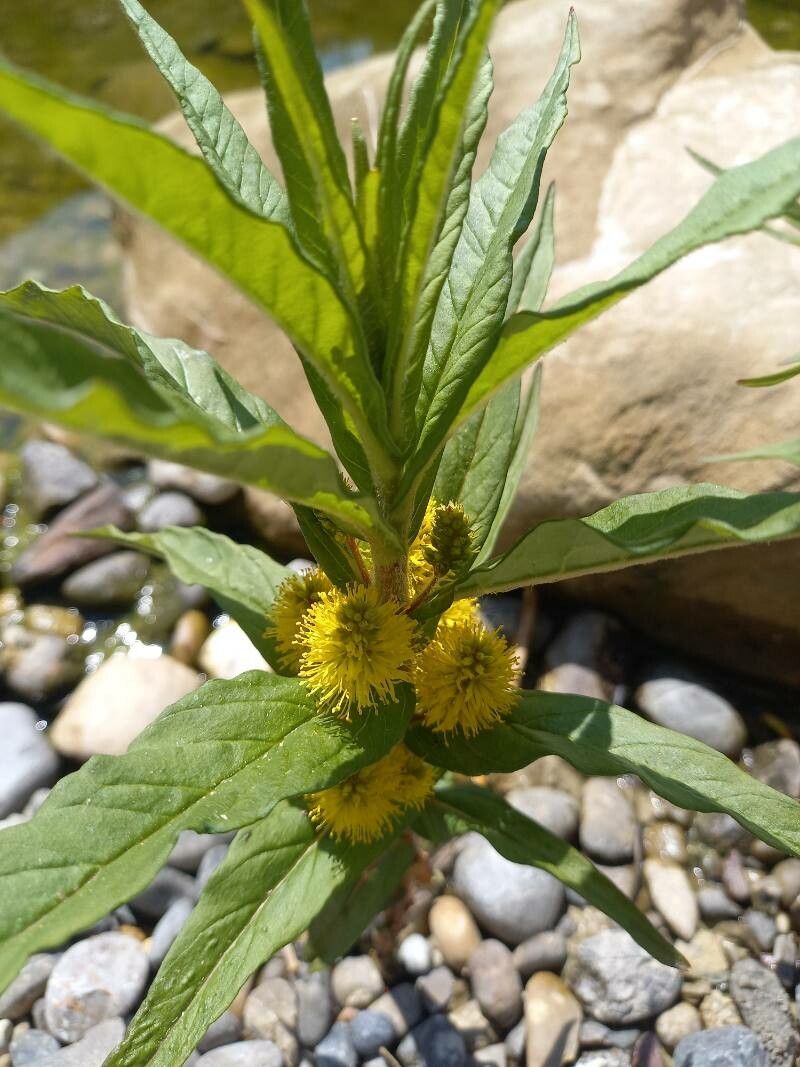
Tufted loosestrife, with its vibrant yellow blooms and penchant for wet environments, adds a unique charm to water gardens and boggy areas. This hardy perennial, scientifically known as Lysimachia thyrsiflora, is relatively easy to care for and even easier to propagate, allowing you to multiply your stock and share its beauty. Let’s dive into the different methods of propagating tufted loosestrife and unlock the secrets to its successful multiplication.
Method 1: Division – The Power of Sharing
Division is the most common and arguably the simplest way to propagate tufted loosestrife. This method capitalizes on the plant’s natural tendency to form clumps over time.
Timing is Key: Spring is the ideal time for dividing tufted loosestrife.
How To:
- Dig Up: Carefully dig up a mature clump of tufted loosestrife, ensuring you get a good root ball.
- Divide: Use a sharp spade or garden knife to divide the clump into smaller sections. Make sure each section has a healthy portion of roots and shoots.
- Replant: Replant the divisions at the same depth they were originally growing, spacing them about 12-18 inches apart. Water thoroughly.
Method 2: Stem Cuttings – From Shoot to Root
Stem cuttings offer another effective way to propagate tufted loosestrife, allowing you to create new plants from healthy stem sections.
Timing: Late spring or early summer is the best time to take stem cuttings.
How To:
- Select & Snip: Choose healthy, non-flowering stems from the current season’s growth. Using clean, sharp shears, cut 4-6 inch long sections just below a leaf node.
- Prepare the Cutting: Remove the leaves from the bottom third of the stem. You can dip the cut end in rooting hormone to encourage faster root development.
- Potting Up: Plant the cuttings in a pot filled with a well-draining seed starting mix or a mixture of peat moss and perlite. Water gently.
- Nurture & Transplant: Place the pot in a bright location, out of direct sunlight. Keep the soil consistently moist. Once the cuttings develop a strong root system, you can transplant them outdoors.
Method 3: Seeds – A Test of Patience
While slightly less predictable than the previous methods, propagating tufted loosestrife from seeds can be a rewarding experience.
Timing: Sow seeds in the spring, either directly outdoors after the last frost or indoors for transplanting later.
How To:
- Sow Seeds: Scatter the seeds on the surface of a moistened seed starting mix. Lightly press them into the soil, but do not bury them.
- Provide Conditions: Place the seed tray in a warm, bright location, maintaining consistent moisture.
- Transplant: Once the seedlings are large enough to handle, transplant them into individual pots or directly outdoors, spacing them according to their mature size.
Important Tips for Success:
- Water Wisely: While tufted loosestrife enjoys moist soil, avoid overwatering, which can lead to root rot.
- Sun or Shade: This adaptable plant tolerates full sun to partial shade, though it blossoms best with at least 6 hours of sunlight.
- Pest & Disease Watch: Keep an eye out for common garden pests like slugs and snails.
Propagating your own tufted loosestrife is a fantastic way to expand your garden, create beautiful accents around water features, or share this unique plant with fellow gardening enthusiasts. With a little patience and care, you can multiply your stock and enjoy its vibrant blooms year after year.