
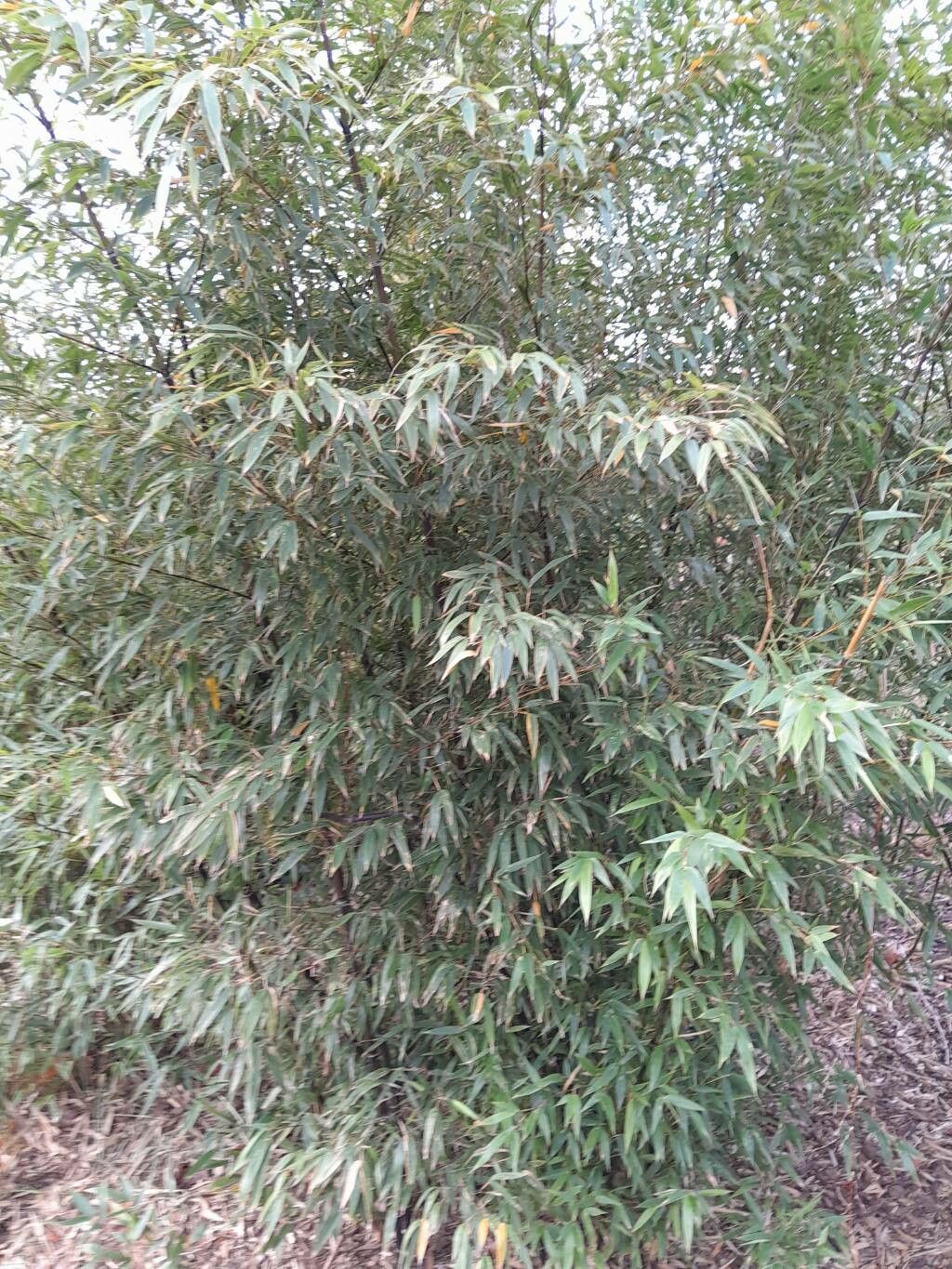
Unleash the Black Bamboo Beauty: Mastering Phyllostachys Nigra Propagation
Black bamboo, or Phyllostachys nigra, is a captivating sight with its striking ebony canes swaying gracefully in the breeze. This dramatic plant can transform any garden into a Zen-like oasis. But did you know that replicating this beauty isn’t as difficult as it seems? Here’s your comprehensive guide to propagating Phyllostachys nigra, turning one stunning plant into many.
Understanding the Bamboo Basics
Before we delve into propagation, it’s crucial to understand that bamboo spreads through underground stems called rhizomes. Phyllostachys nigra is a “running” type of bamboo, meaning its rhizomes can spread aggressively. While this growth habit makes propagation relatively straightforward, it also necessitates containment strategies like rhizome barriers or careful planting location selection.
Methods for Multiplying Your Black Bamboo
There are three primary methods for propagating Phyllostachys nigra:
1. Division:
- Timing is Key: Spring, just as new shoots emerge, is the optimal time for division.
- Digging Deep: Carefully excavate around a healthy clump, ensuring you capture a good portion of rhizome with at least two culms (canes) attached.
- Divide and Conquer: Using a sharp, sterilized saw or loppers, divide the clump into smaller sections, each with a healthy rhizome and culm system.
- Replanting: Immediately plant the divisions in well-draining soil, ensuring the rhizome top sits slightly above ground level. Water thoroughly and provide temporary shade to minimize stress.
2. Rhizome Cuttings:
- Source Carefully: This method works best with healthy, young rhizomes (1-2 years old) that are plump and firm.
- Cut with Purpose: In early spring, cut segments of rhizome about 12-18 inches long, each containing at least two nodes (the rings on the rhizome).
- Prepping for Growth: Place the rhizome segments horizontally in a shallow trench filled with a light potting mix, ensuring the nodes face upwards.
- Patience is a Virtue: Keep the soil consistently moist and warm (around 70°F). Shoots should begin to emerge in several weeks.
3. Culm Cuttings:
- Timing Matters: Late spring to early summer is ideal for culm cuttings, once new growth hardens.
- Choose Wisely: Select healthy, one-year-old culms with at least two nodes.
- Cut and Shape: Make a clean cut just below a node at the base and just above a node at the top.
- Promote Rooting: Partially submerge the cutting in a vertical position in a container filled with moist potting mix or water.
- Creating the Right Environment: Maintain a warm temperature and high humidity around the cutting, misting frequently.
Nurturing Your New Bamboo Shoots:
Regardless of the propagation method, newly propagated Phyllostachys nigra requires diligent care:
- Consistent Moisture: Water regularly, especially during the first year, keeping the soil consistently moist but not waterlogged.
- Protection from Extremes: Provide partial shade during the hottest hours of the day, especially for young plants.
- Fertilize for Growth: Use a balanced, slow-release fertilizer in spring to encourage healthy growth.
Propagating Phyllostachys nigra is a rewarding experience, allowing you to multiply this stunning plant and share its beauty. By following these steps and providing attentive care, you’ll enjoy a flourishing black bamboo grove that enhances your landscape for years to come.