
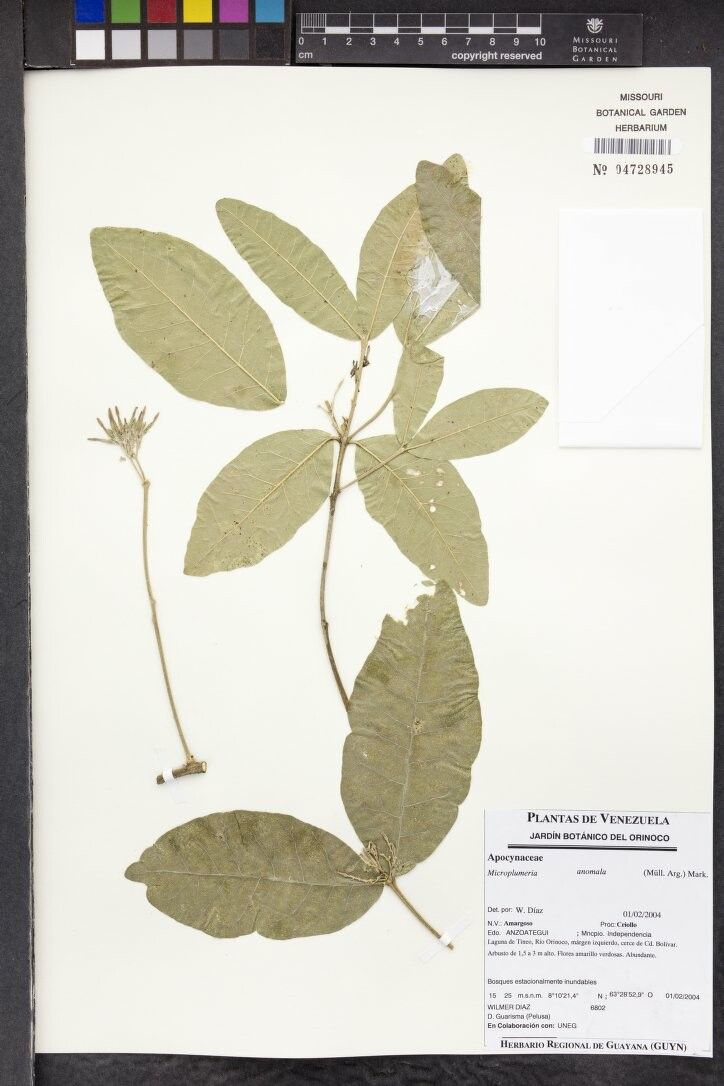
Unlocking the Secrets of Microplumeria anomala: A Guide to Propagation for Stunning Succulent Blooms
Microplumeria anomala, with its captivating, miniature plumeria-like flowers and unique succulent nature, is a treasure for any plant enthusiast. While relatively low-maintenance, successfully propagating this Madagascan beauty can seem like a mystery. But fear not! This guide will unlock the secrets to multiplying your Microplumeria anomala collection and enjoying its charm for years to come.
Two Paths to Propagation:
Microplumeria anomala offers two primary propagation methods, each with its pros and cons:
1. Seed Propagation: Embracing the Adventure of Variety
For those who enjoy a dash of surprise and the potential for unique hybrids, seed propagation is the way to go.
- The Process: Collect ripe seed pods from your Microplumeria anomala (they resemble tiny beans) and allow them to dry thoroughly. Sow the seeds in a well-draining soil mix, lightly covering them. Keep the soil consistently moist and provide bright, indirect light.
- Patience is Key: Germination can be unpredictable, often taking several weeks to months.
- The Reward: Seed propagation offers the potential for new and exciting variations in flower color and form.
2. Cuttings: The Path of Clonal Consistency
If you desire an exact replica of your beloved Microplumeria anomala, cuttings are the answer.
- Choosing the Right Cuttings: Select healthy, mature stems that are at least 3-4 inches long. Using a clean, sharp knife or pruning shears, make a clean cut just below a leaf node.
- Callusing: The Secret to Success: Allow the cuttings to callus over for a few days in a cool, dry place. This step is crucial for preventing rot.
- Planting Your Cuttings: Plant the callused cuttings in a well-draining soil mix, burying the lowest leaf node. Water sparingly, allowing the soil to dry out slightly between waterings.
- Root Formation: With proper care, roots should develop in a few weeks. You’ll notice new growth as a sign of successful rooting.
Essential Tips for Propagation Success:
No matter your chosen method, these tips will significantly increase your chance of success:
- Well-Draining Soil: Microplumeria anomala thrives in a coarse, well-draining mix. Consider a blend specifically formulated for succulents or cacti.
- Light is Life: Provide bright, indirect light for both seeds and cuttings. Avoid direct sunlight, which can scorch tender new growth.
- Warmth Encourages Growth: Maintain a warm environment, ideally between 70-80°F (21-27°C).
- Water with Caution: Overwatering is a common pitfall. Allow the soil to dry out slightly between waterings, and always err on the side of under-watering.
- Patience is a Virtue: Propagation takes time, especially from seeds. Don’t be discouraged if you don’t see results immediately.
The Joys of Propagation:
Successfully propagating your Microplumeria anomala is a rewarding experience. Not only will you expand your plant collection, but you’ll also deepen your connection with this unique and beautiful species. So, embrace the adventure, follow these tips, and watch as your propagation efforts blossom!