
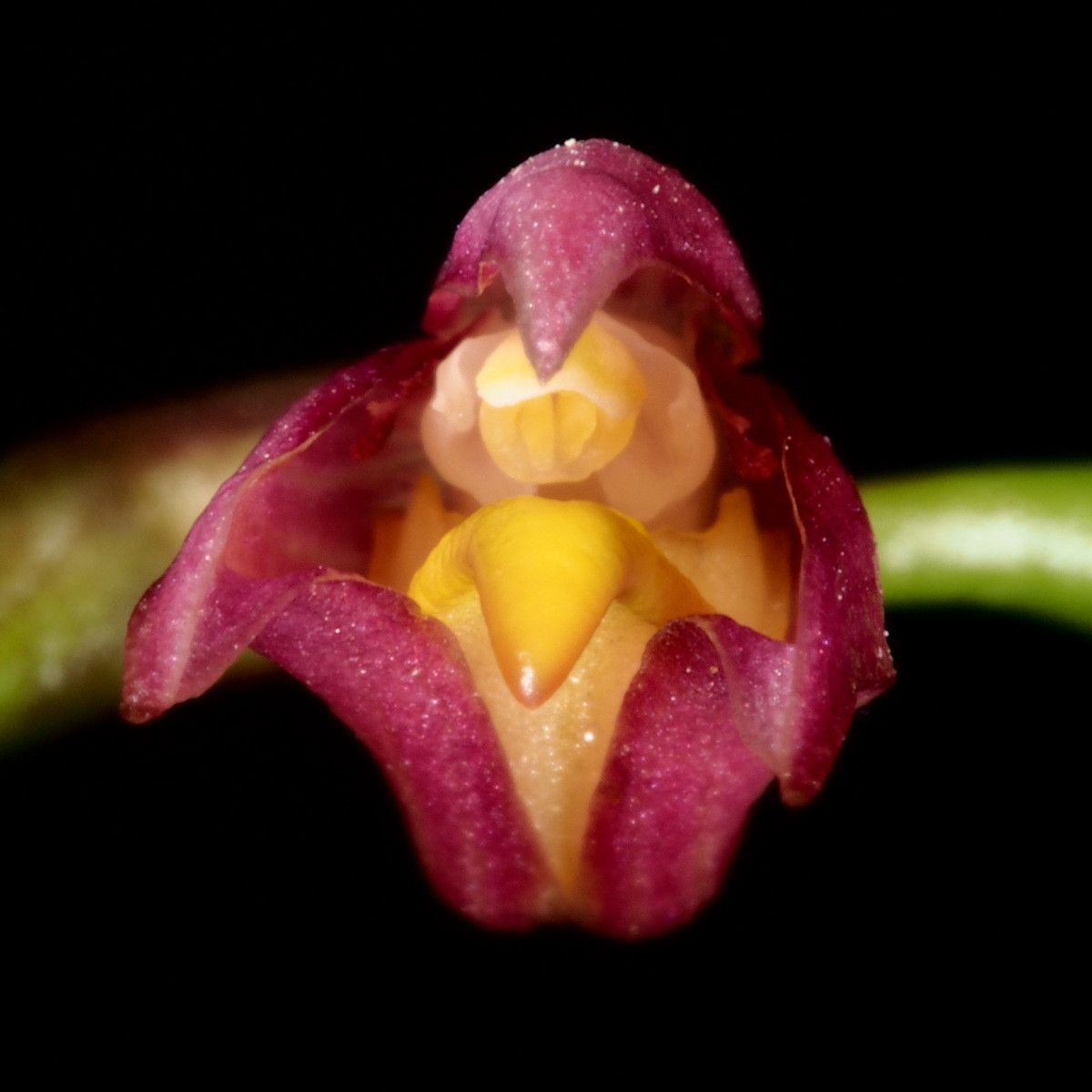
Unlocking the Mysteries of Bulbophyllum comptonii Propagation: A Guide for the Dedicated Orchid Enthusiast
The Bulbophyllum comptonii, with its otherworldly blooms and fascinating growth habit, is a coveted prize among orchid aficionados. While caring for this unique species presents its own set of rewards and challenges, propagating it can feel like stepping into uncharted territory. Fear not, fellow plant lovers, for this guide will illuminate the path to successful Bulbophyllum comptonii propagation.
Understanding the Beast:
Before embarking on this horticultural adventure, it’s crucial to understand the Bulbophyllum comptonii‘s unique characteristics. This epiphytic orchid, native to Madagascar, thrives in humid environments with dappled light. Its defining feature, however, is its growth habit. Unlike many orchids that produce multiple growths (or “leads”) along a rhizome, Bulbophyllum comptonii only produces one new growth annually from the apex of the previous year’s growth. This unique characteristic makes division, the typical propagation method for many orchids, impractical.
The Way of the Clone: Back Bulb Propagation
So, how does one propagate this botanical enigma? The answer lies in “back bulbs.” Over time, mature Bulbophyllum comptonii plants will produce small dormant growths at the base of older pseudobulbs. These back bulbs hold the key to propagation. Here’s a step-by-step guide:
Timing is Key: The best time for back bulb propagation is during the plant’s active growing season, typically spring or early summer.
Careful Removal: Gently remove the plant from its pot and identify a healthy back bulb with at least two or three pseudobulbs attached. Using a sterile cutting tool, carefully separate the back bulb from the main plant.
Potting Mix Prowess: Prepare a well-draining potting mix specific to epiphytic orchids. A blend of sphagnum moss, tree bark, and perlite works well.
Planting the Future: Plant the back bulb in a small pot, ensuring the base of the pseudobulbs sits just above the potting mix. Secure the plant to provide stability while roots develop.
- Creating the Ideal Environment: Place the newly potted back bulb in a warm, humid environment with bright, indirect light. Maintaining consistent moisture is crucial, but avoid overwatering which can lead to rot.
Patience is a Virtue, and Other Secrets:
Propagating Bulbophyllum comptonii is not a quick process. It may take several months for the back bulb to develop roots and new growth.
Be vigilant about pests and diseases. These orchids are susceptible to common orchid pests, so regular inspection and preventive measures are essential.
- Don’t be discouraged if your first attempt doesn’t succeed. Orchid propagation is a skill honed through experience and observation.
Propagating Bulbophyllum comptonii is a rewarding endeavor that allows you to multiply your collection of this captivating orchid. With patience, dedication, and a touch of orchid magic, you can unlock the secrets to success and enjoy the fruits of your horticultural labor. Now go forth, intrepid orchid enthusiast, and propagate!