
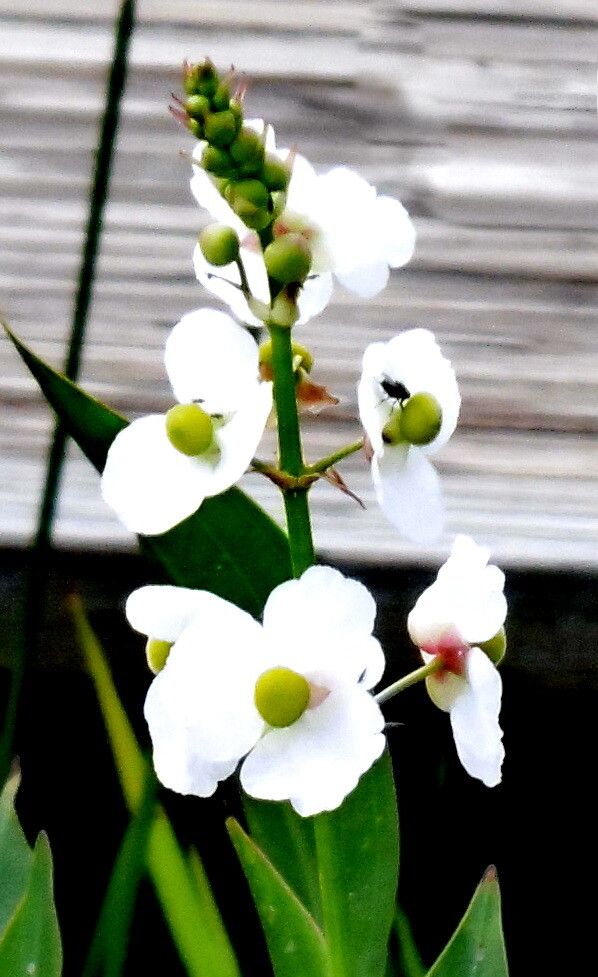
Multiply Your Arrowheads: Propagating Sagittaria Lancifolia
Sagittaria lancifolia, commonly known as the duck-potato or bulltongue arrowhead, is a captivating aquatic plant beloved for its distinctive arrow-shaped leaves and elegant white flowers. This North American native thrives in shallow waters, making it a striking addition to ponds, water gardens, and even container water features. If you’re looking to expand your collection or share the beauty of this plant with friends, propagating Sagittaria lancifolia is surprisingly simple. This guide will walk you through the process step-by-step.
Understanding the Basics
Before we delve into the methods, familiarize yourself with these key points about Sagittaria lancifolia propagation:
- Best Time: Spring and early summer offer the optimal conditions for successful propagation, coinciding with the plant’s natural growth cycle.
- Two Primary Methods: Sagittaria lancifolia readily reproduces through both division and seed propagation.
Method 1: Division – The Easiest Route
Division is the most straightforward way to propagate Sagittaria lancifolia and is best suited for mature plants with well-established root systems. Here’s how it’s done:
- Preparation: Gently remove the mother plant from its container or carefully dig it up from the pond.
- Identify Plantlets: Examine the base of the plant. You’ll notice smaller offshoots, known as plantlets, attached to the main clump.
- Separate Carefully: Using clean, sharp shears or a garden knife, carefully separate the plantlets from the mother plant. Ensure each division has a good portion of roots attached.
- Replant: Pot the divisions in containers filled with heavy, water-retentive soil. Submerge the pots in shallow water, ensuring the crown of the plant (where the roots meet the leaves) remains above the waterline.
Method 2: Seed Propagation – A Journey of Patience
While slightly more time-consuming, seed propagation is rewarding and allows you to grow Sagittaria lancifolia from the ground up (or rather, water up!). Here’s a breakdown:
- Collect Seeds: As the plant’s flowers fade, small seed pods will develop. Allow these pods to dry on the plant before collecting them.
- Prepare for Sowing: Fill seed trays or small pots with a mixture of sand and loam.
- Sow the Seeds: Sprinkle the seeds over the soil surface, lightly pressing them in, but don’t bury them.
- Maintain Moisture: Mist the soil surface regularly to keep it consistently moist, mimicking the plant’s natural environment.
- Transplant Seedlings: Once the seedlings develop several leaves and a strong root system (usually after a few weeks), they can be transplanted into larger pots or your water garden.
Caring for Your New Propagations
Whether you’ve chosen division or seed propagation, providing the right conditions will ensure your new Sagittaria lancifolia thrive:
- Sunlight: Place your plants in a location that receives at least 6 hours of direct sunlight each day.
- Water Quality: Keep the water clean and well-oxygenated. Avoid stagnant water, which can lead to root rot.
- Fertilization: For optimal growth, fertilize your plants every 4-6 weeks during the growing season using a balanced aquatic fertilizer.
Propagating Sagittaria lancifolia is truly a rewarding experience. With a little patience and care, you can easily multiply your collection and create a stunning aquatic landscape in your own backyard.