
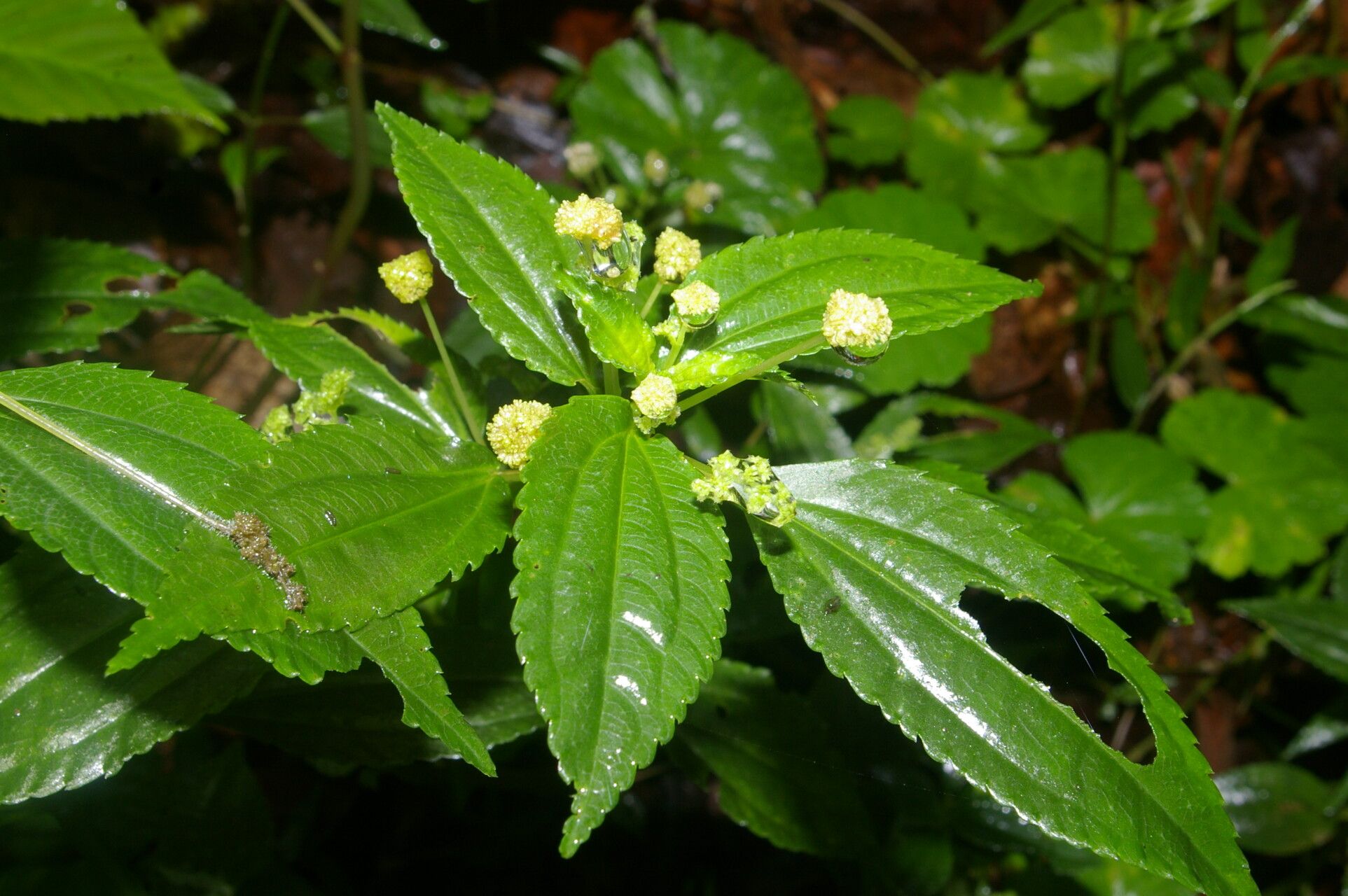
Unleash the Volcanic Power: Propagating Your Pilea Vulcanica
The Pilea vulcanica, with its textured, deep green leaves erupting from reddish stems, is a captivating addition to any houseplant collection. This little plant, native to the volcanic regions of Central America, is not only visually appealing but also surprisingly easy to propagate. This means more of these little beauties for you, or lucky friends and family!
Why Propagate?
Propagation is the process of creating new plants from existing ones. It’s a rewarding way to expand your plant family on a budget, share your love of plants with others, and even save a struggling plant.
The Power of Two: Pilea Propagation Methods
For the Pilea vulcanica, we have two primary methods of propagation: stem cuttings and division.
1. Stem Cuttings: A Step-by-step Guide
- Gather your tools: You’ll need a sharp, clean knife or pair of scissors, a small container filled with water or seed-starting mix, and optionally, rooting hormone.
- Take the cutting: Choose a healthy stem with at least two nodes (the small bumps on the stem where leaves emerge). Make a clean cut just below a node.
- Prepare the cutting (Optional): Remove any leaves from the bottom inch or so of the stem. If you’re using rooting hormone, dip the cut end in the powder.
- Water Propagation: Place the cutting in a container with fresh water, ensuring no leaves are submerged.
- Soil Propagation: Create a small hole in your seed starting mix and gently insert the cutting. Mist the soil lightly.
- Wait and Watch: Place your cuttings in a bright spot, out of direct sunlight. Water or mist the soil regularly, keeping it consistently moist but not soggy. Roots should develop in 2-4 weeks.
- Potting Up: Once roots are about an inch long, carefully transplant your new Pilea into a small pot with well-draining soil.
2. Division: Separating the Family
Pilea vulcanica often produces offshoots, or “pups,” at the base of the mother plant. These can be easily separated and potted up.
- Identify the offshoots: Look for small plantlets growing around the base of the main plant.
- Gently separate: Using your fingers or a clean, sharp knife, carefully separate the offshoot from the mother plant, ensuring it has its own roots.
- Pot it up: Plant the offshoot in a small pot with well-draining soil, water it well, and place it in indirect sunlight.
Caring for Your New Pilea Vulcanica
Once your new plants are established, they are relatively low-maintenance. Provide them with:
- Bright, indirect light: Avoid placing them in direct sunlight, which can scorch their delicate leaves.
- Well-draining soil: A peat-based mix with perlite or vermiculite is ideal.
- Moderate watering: Allow the soil to dry out slightly between waterings.
- Humidity: While Pilea vulcanica appreciates some humidity, they are relatively adaptable to average household conditions.
Propagating your Pilea vulcanica is an exciting and easy way to expand your plant collection. With a little patience and care, you’ll soon have a miniature volcanic landscape thriving in your home. Happy propagating!