
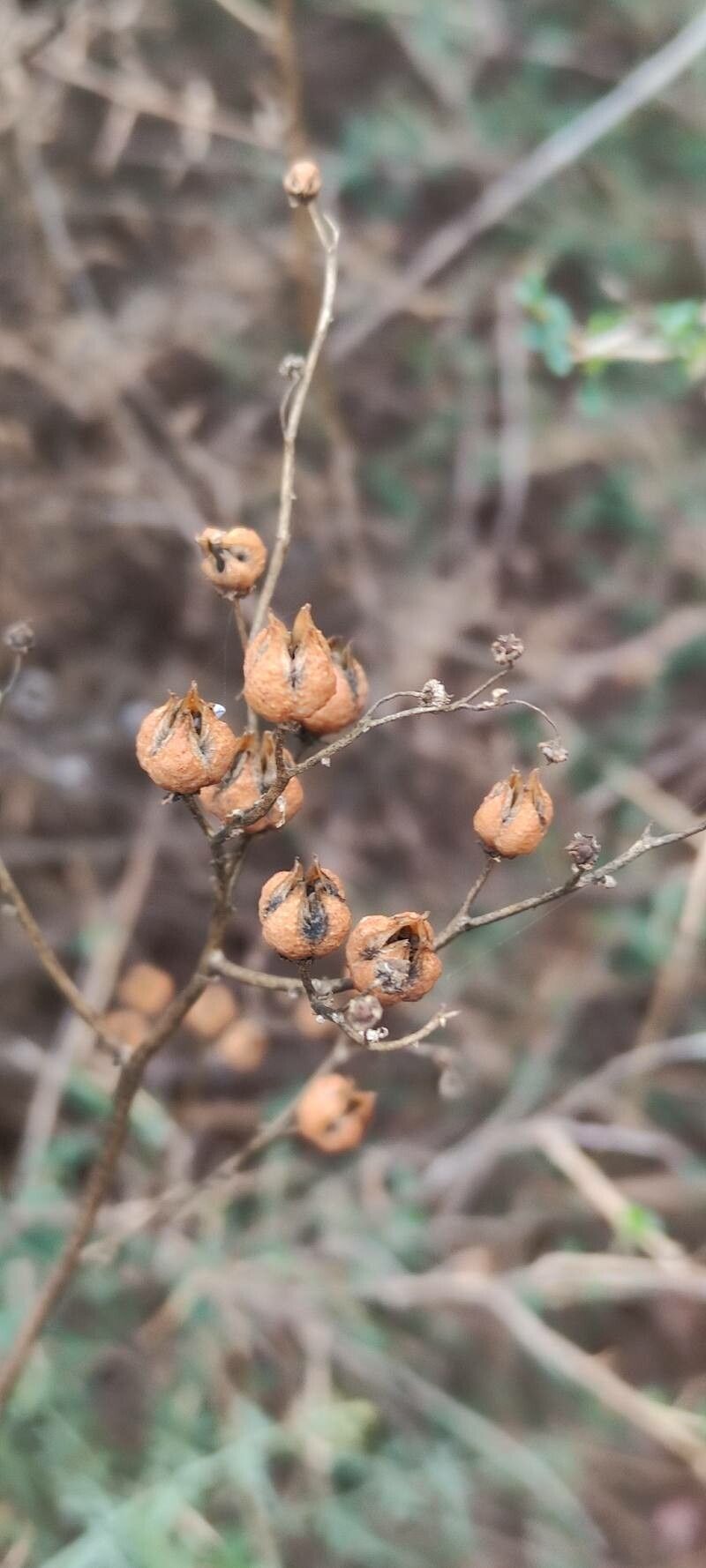
Unlocking the Secrets of Rue Propagation: Grow Your Own “Herb of Grace”
Ruta angustifolia, commonly known as narrow-leaved rue or simply rue, is a fascinating herb with a rich history and a surprising number of uses. This hardy, evergreen shrub boasts silvery-green foliage, dainty yellow flowers, and a unique aroma that has captivated gardeners for centuries. While often sought after for its reported medicinal and insect-repelling properties, rue also deserves a place in your garden for its sheer beauty and resilience.
Ready to welcome this ancient herb into your own space? Propagating Ruta angustifolia is a rewarding experience, and we’re here to guide you through the process.
Two Paths to Rue Propagation Success:
Rue offers you two effective methods of propagation: seed sowing and taking cuttings. Let’s explore each in detail:
1. Starting from Seed: A Patient Approach:
- Timing is Key: Spring is the ideal time to sow rue seeds. The warmer soil temperatures encourage successful germination.
- Sowing the Seeds: Begin by filling a seed tray or small pots with a well-draining seed starting mix. Sprinkle the seeds lightly over the surface, as they germinate best with light exposure. Gently press them into the mix, and mist with water.
- Patience is a Virtue: Rue seeds can take some time to sprout, anywhere from 2 to 4 weeks. Maintain consistent moisture and warmth (around 70°F) during this period.
- Thinning Out: Once seedlings have developed a few sets of true leaves, thin them out to give the strongest ones ample space to grow.
- Transplanting Time: When the seedlings reach a height of 3-4 inches, it’s time to transplant them into individual pots or directly into your garden bed. Choose a spot that receives full sun to partial shade.
2. Cuttings: A Faster Route to Established Plants:
- The Right Time and Cut: Take cuttings from healthy rue plants in late spring or early summer. Use a sharp, clean knife or pruning shears to cut a 4-6 inch section from a non-flowering stem.
- Preparing the Cutting: Remove the lower leaves from the cutting, leaving only a few at the top. Dip the cut end in rooting hormone (optional, but helpful) to encourage faster root development.
- Planting the Cutting: Plant the cutting in a pot filled with a well-draining potting mix. Moisten the soil and cover the pot with a plastic bag or use a humidity dome to create a warm, humid environment.
- Rooting Time: Within a few weeks, the cutting should develop roots. Gently tug on the cutting; resistance means roots have formed.
- Transplanting to Larger Quarters: Once rooted, transplant the cutting into a larger pot or your garden bed.
Essential Care Tips for Thriving Rue:
No matter which propagation method you choose, here’s how to ensure your rue thrives:
- Sunlight and Soil: Plant in a location that receives full sun to partial shade and has well-draining soil.
- Watering: Rue is relatively drought tolerant once established, but water regularly while the plants are young. Allow the soil to dry slightly between waterings.
- Fertilizing: Rue is not a heavy feeder. A light application of balanced fertilizer in spring is sufficient.
- Pruning: After flowering, prune back rue plants to encourage bushier growth and prevent them from becoming leggy.
- Winter Protection: In colder climates, provide winter protection by mulching around the base of the plant.
Growing your own Ruta angustifolia is a rewarding endeavor. By following these tips, you’ll soon have healthy, fragrant rue gracing your garden, ready to be admired for its beauty and utilized for its many traditional applications.