
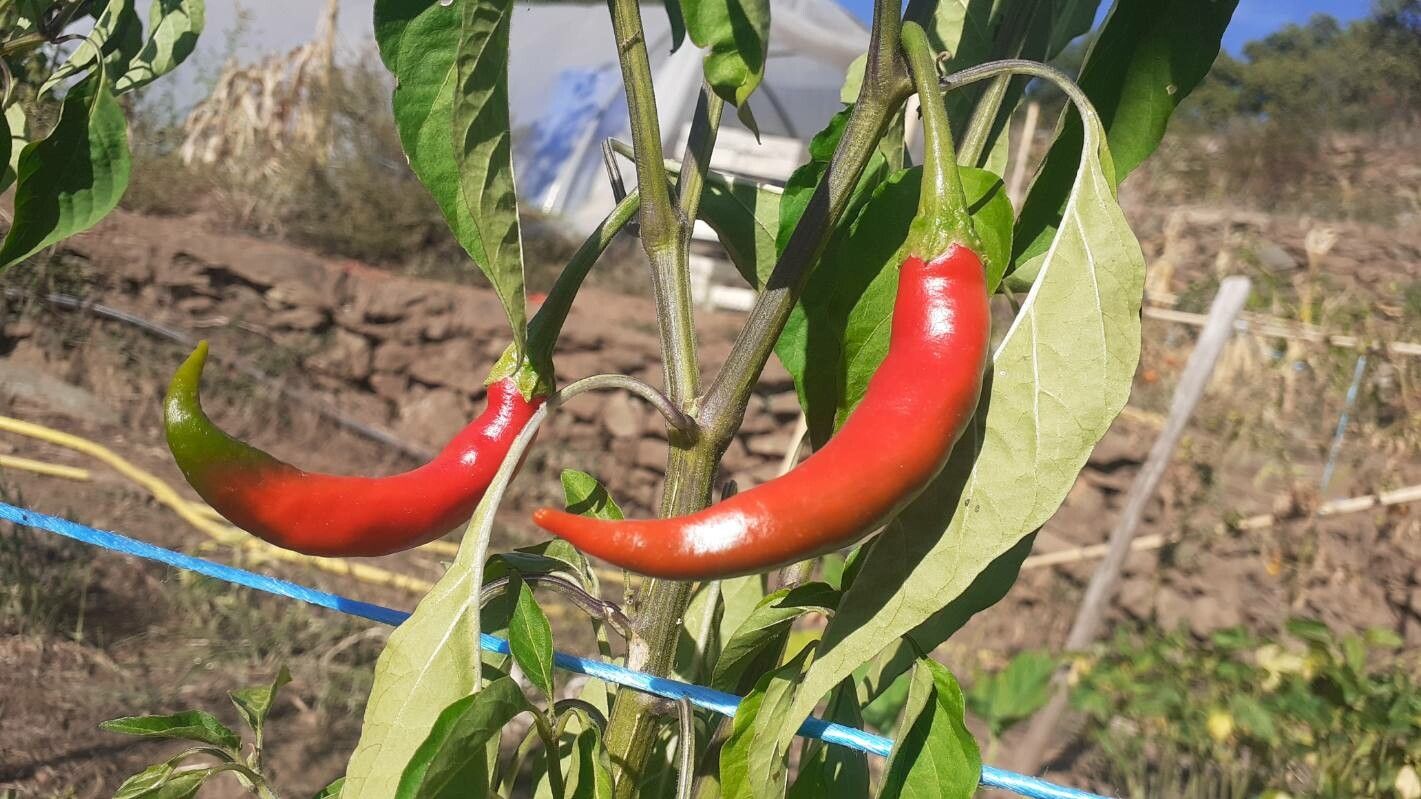
Spice Up Your Garden: The Complete Guide to Propagating Capsicum Baccatum Peppers
Capsicum baccatum peppers, known for their vibrant colors and fruity flavors, are a delight to grow and enjoy. Whether you’re a seasoned gardener or just starting out, propagating your own plants is a rewarding experience. This guide will equip you with all the knowledge you need to successfully propagate your Capsicum baccatum peppers, from seed to seedling and beyond.
Why Propagate?
Propagating your own Capsicum baccatum peppers offers several advantages:
- Cost-effective: Growing from seed or cuttings is considerably cheaper than buying established plants.
- Variety: Access a wider range of cultivars, including rare and unique varieties.
- Control: Ensure healthy, disease-free plants and tailor your growing practices.
Two Main Methods for Propagation
There are two primary ways to propagate Capsicum baccatum peppers:
1. Seed Starting:
- Timing: Start seeds indoors 6-8 weeks before the last expected frost.
- Materials: Use a seed starting mix, small pots or trays, and a heat mat (optional).
- Process:
- Sow seeds about ¼ inch deep in moist seed starting mix.
- Cover the tray with a humidity dome or plastic wrap to retain moisture.
- Place in a warm location (70-80°F). A heat mat can help maintain optimal temperatures.
- Provide adequate light, either from a sunny windowsill or grow lights.
- Keep the soil consistently moist but not waterlogged.
- Seedlings should emerge in 1-3 weeks. Thin seedlings to one strong plant per pot once they have two sets of true leaves.
- Gradually acclimate seedlings to outdoor conditions (hardening off) before transplanting to the garden.
2. Cuttings:
- Timing: Take cuttings in the spring or early summer from healthy, established plants.
- Materials: Sharp, clean pruning shears or a knife, rooting hormone (optional), and a well-draining potting mix.
- Process:
- Choose a healthy stem with at least two nodes (bumps on the stem where leaves emerge).
- Make a clean cut just below a node, removing any leaves from the lower third of the cutting.
- Dip the cut end in rooting hormone (optional but helpful) to encourage root development.
- Plant the cutting in moist potting mix, ensuring at least one node is buried.
- Cover the cutting with a clear plastic bag or humidity dome to create a humid environment.
- Place in a warm, well-lit location, but out of direct sunlight.
- Roots typically develop in 2-4 weeks. Once new growth emerges, you can transplant your cutting into a larger pot or directly into the garden.
Caring for Your New Plants:
Whether you’ve started from seed or cuttings, providing the right care is essential for healthy pepper plants:
- Light: Aim for at least 6 hours of direct sunlight daily.
- Soil: Use well-draining soil that is slightly acidic (pH 6.0-6.8).
- Water: Water deeply and regularly, allowing the soil to dry slightly between waterings.
- Fertilizer: Provide regular feedings with a balanced fertilizer during the growing season.
Troubleshooting Tips:
- Damping off: This fungal disease affects seedlings. Prevent it by using sterile seed starting mix, providing adequate air circulation, and avoiding overwatering.
- Leggy Seedlings: Caused by insufficient light. Provide adequate light or supplement with grow lights.
- Pests: Watch out for common pests like aphids and spider mites. Use insecticidal soap or neem oil for control.
Reap the Rewards!
Propagating your own Capsicum baccatum peppers is a gratifying experience. With a bit of patience and care, you’ll soon be harvesting your own delicious, homegrown peppers. So, grab your gardening tools and spice up your garden with these flavorful beauties!