
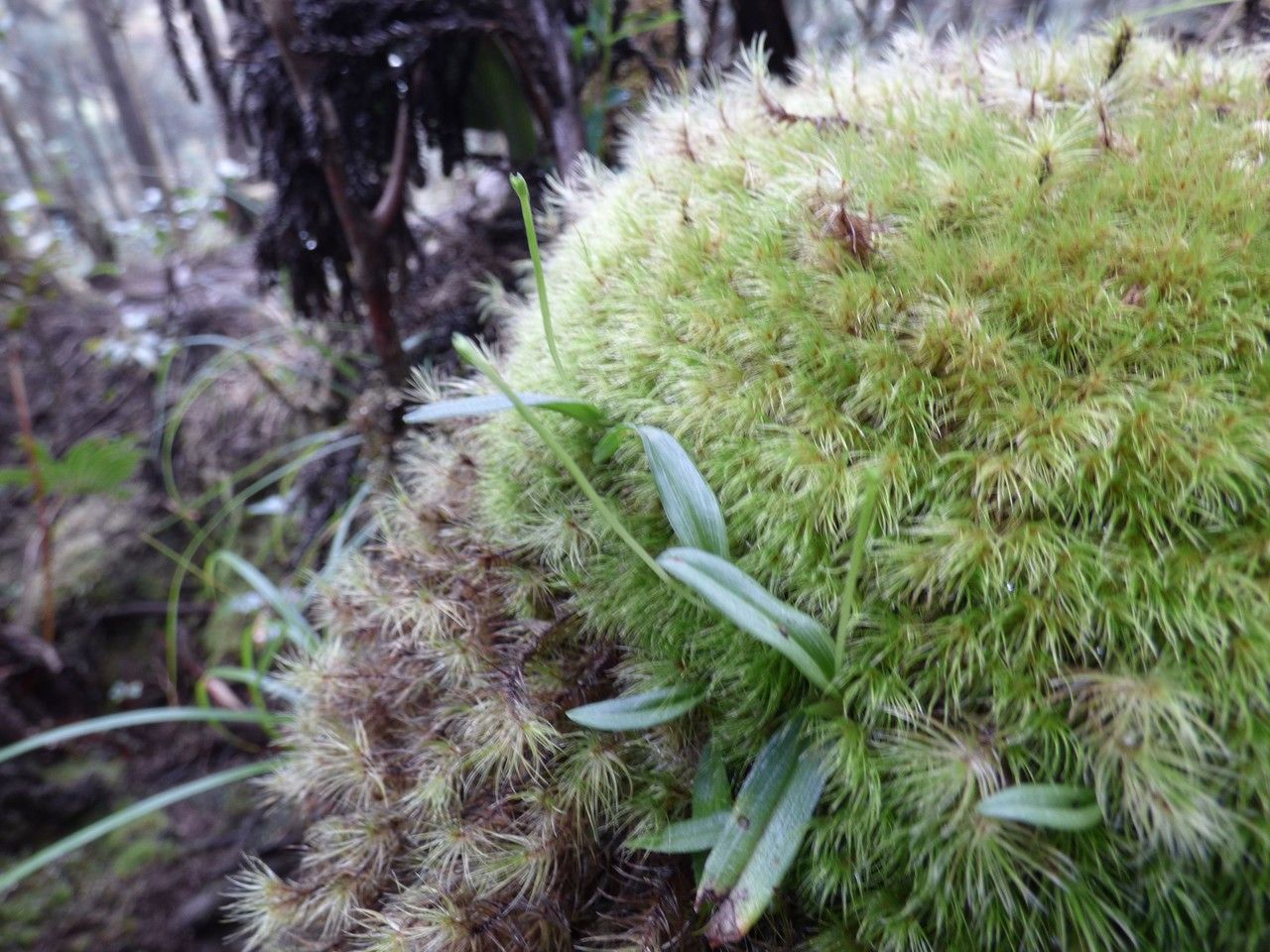
Unveiling the Secrets of Liparis Scaposa Propagation: A Guide to Multiplying Your Miniature Orchid Marvel
The Liparis scaposa, with its delicate flowers and intriguing growth habit, is a true gem among miniature orchid enthusiasts. Unlike its showier cousins, this terrestrial orchid captivates with its subtle beauty and ease of care. But what truly sets the Liparis scaposa apart is its ability to be propagated in various ways, making it a rewarding plant for both beginners and experienced growers alike.
This comprehensive guide delves into the fascinating world of Liparis scaposa propagation, equipping you with the knowledge to multiply your collection and share the joy of this unique orchid.
Understanding the Liparis Scaposa:
Before diving into propagation, it’s crucial to understand the plant’s growth cycle. Liparis scaposa thrives in well-draining, slightly acidic soil and prefers bright, indirect light. It typically blooms in late winter or early spring with clusters of small, greenish-yellow flowers on a single, erect stem.
Methods of Propagation:
1. Division:
- Best Time: Spring, just as new growth emerges.
- Process: Carefully remove the plant from its pot and gently tease apart the pseudobulbs. Ensure each division has at least 3-4 healthy pseudobulbs and a good root system. Pot them in a well-draining orchid mix, ensuring the base of the pseudobulbs sits level with the soil surface.
- Advantages: A straightforward method with a high success rate, allowing for quick and mature plantlets.
2. Keikis:
- Best Time: Spring to summer
- Process: Liparis scaposa occasionally produces keikis – miniature plantlets – at the base of mature pseudobulbs. Once the keiki develops roots that are at least 2-3 inches long, it can be carefully separated from the mother plant and potted individually.
- Advantages: A rewarding and relatively easy method, as the keikis are already independent plantlets ready to thrive.
3. Seeds:
- Best Time: Anytime, but ideal conditions are crucial.
- Process: Liparis scaposa seed propagation requires sterile conditions and a specialized nutrient medium. Seeds are sown on the surface of the medium and kept in a humid, warm environment. This method is significantly more complex and recommended for experienced growers.
- Advantages: Potential for raising a large number of plants, although success requires advanced horticultural skills.
Post-Propagation Care:
- Watering: Water newly propagated Liparis scaposa sparingly until new growth emerges, indicating an established root system. Overwatering is a common pitfall and can lead to root rot.
- Humidity: Maintain moderate humidity levels, as young plants are more susceptible to drying out. A humidity tray or placing the pot near a humidifier can be beneficial.
- Light: Provide bright, indirect light, avoiding harsh direct sunlight that can scorch delicate leaves.
Final Thoughts:
Propagating Liparis scaposa is a journey of patience and observation. Whether you choose the simplicity of division, the delight of keiki propagation, or the challenge of seed sowing, remember to provide optimal growing conditions for your new plantlets to flourish. With a little care and attention, you can enjoy the rewarding experience of expanding your Liparis scaposa collection and sharing your passion for these miniature orchid wonders.