
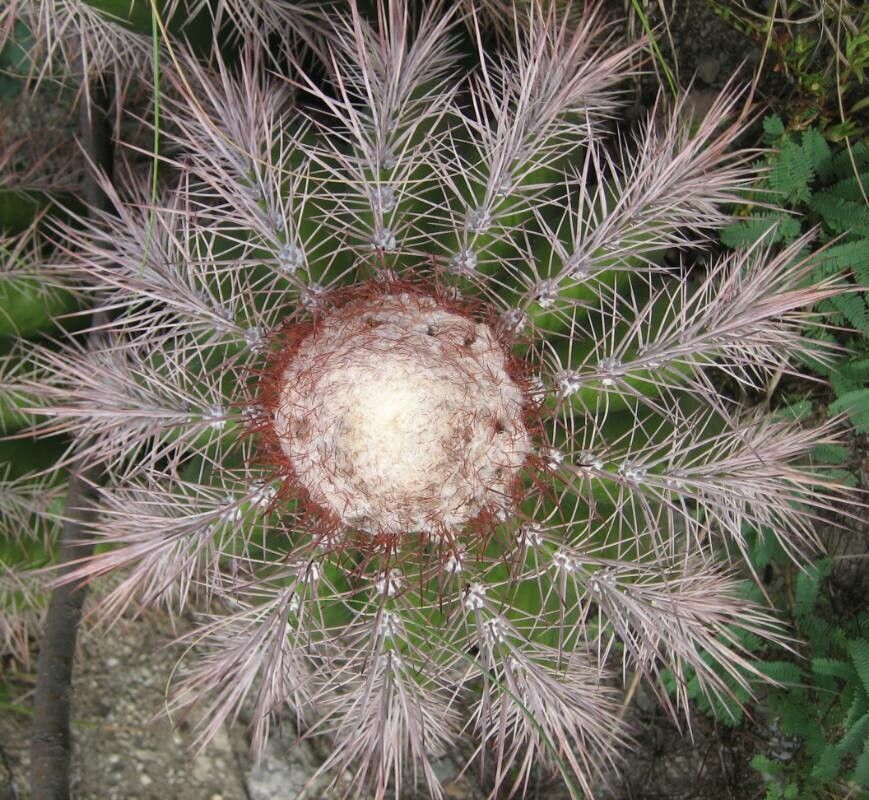
Unlocking the Secrets: Propagating the Endangered Melocactus pedernalensis
The Melocactus pedernalensis, with its whimsical cephalium crown and striking ribbed body, is a true gem among cacti enthusiasts. However, this Dominican Republic native wears the unfortunate label of “endangered” due to habitat loss. Playing a role in its preservation can be as simple as learning how to propagate it successfully. While not a beginner’s task, mastering the techniques can be incredibly rewarding.
This guide explores two primary methods for propagating Melocactus pedernalensis:
1. Seed Propagation: A Test of Patience
Growing this cactus from seed is the most common technique and offers a fascinating journey from tiny specks to mature plants. Here’s how to increase your chances of success:
- Sourcing Seeds: Reputable online vendors specializing in cacti and succulents are your best bet, ensuring ethical sourcing and viability.
- Sowing the Seeds:
- Use a well-draining seed starting mix. A pre-made cacti and succulent mix works well.
- Moisten the mix lightly and sprinkle the seeds evenly across the surface. Do not bury them.
- Cover the container with a clear lid or plastic wrap to create a humid environment.
- Providing Optimal Conditions:
- Place the container in a bright location but out of direct sunlight, which can scorch the seedlings.
- Maintain a temperature between 70-85°F (21-29°C). A seedling heat mat can be beneficial.
- Mist the soil surface with a spray bottle whenever it starts to dry out, ensuring good drainage to prevent fungal diseases.
- Germination and Beyond:
- Germination can be erratic, taking anywhere from a few weeks to several months. Patience is key!
- Once the seedlings are large enough to handle, thin them out, leaving the strongest ones with enough space to grow.
- As they mature, gradually acclimate the seedlings to stronger light and slightly drier conditions.
2. Offsets (Pups): A Less Common Opportunity
Occasionally, mature Melocactus pedernalensis plants produce offsets, also known as pups. These miniature versions of the parent plant offer another propagation avenue:
- Identifying Viable Offsets: Wait until the offset has grown to at least a third of the size of the parent plant and has developed its own root system.
- Careful Removal: Using a clean, sharp knife, carefully separate the offset from the mother plant, ensuring you don’t damage either.
- Callusing the Wound: Allow the cut surface of both the offset and the mother plant to dry and callous over for a few days. This helps prevent fungal infections.
- Planting the Offset: Plant the offset in a well-draining potting mix, similar to the one used for seeds. Water sparingly until the roots are established.
Challenges and Considerations:
- Slow Growth: Melocactus pedernalensis, regardless of propagation method, is a slow-growing species. It may take several years for your plant to reach a significant size and develop its characteristic cephalium.
- Cephalium Development: The cephalium, the woolly crown from which the flowers emerge, won’t appear until the plant reaches maturity, which can take several years.
- Patience is Paramount: Propagating Melocactus pedernalensis requires dedication and patience. Not every seed will germinate, and not every offset will root. However, the reward of successfully cultivating this endangered cactus is well worth the effort.
By embracing these propagation techniques and understanding the patience they demand, we can play a crucial part in conserving the magnificent Melocactus pedernalensis, ensuring its survival for generations to come.