
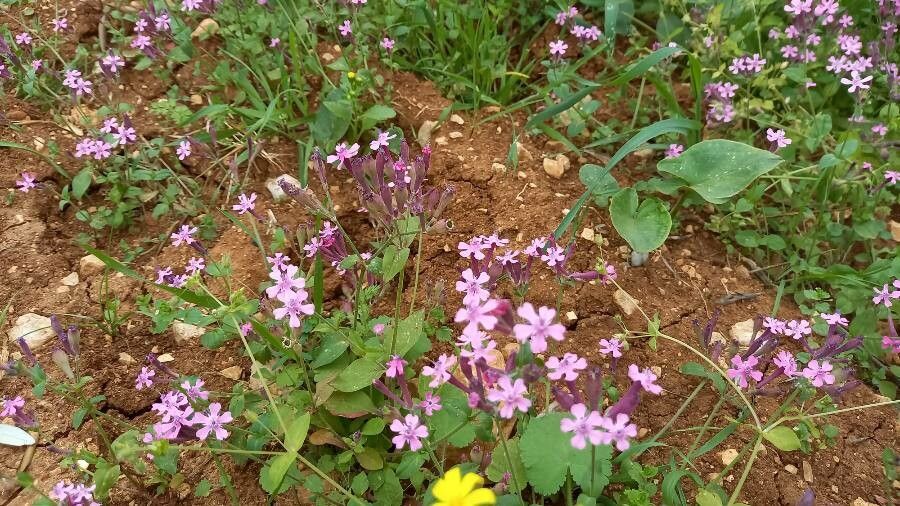
Unveiling the Secrets of Silene Damascena Propagation: From Seed to Stunning Blooms
Silene damascena, also known as the Damascus Catchfly, is a charming perennial that brings a touch of wildflower elegance to any garden. This beauty, with its delicate pink to white blooms and captivating fragrance, is surprisingly easy to propagate, allowing you to expand your garden’s charm without breaking the bank.
This comprehensive guide will explore the two main methods of propagating Silene damascena: seeds and cuttings.
The Magic of Propagation from Seed
Starting Silene damascena from seed is a rewarding experience, allowing you to witness the entire life cycle of this beautiful plant. Here’s a step-by-step guide:
1. Timing is Key: The ideal time to sow Silene damascena seeds is in the spring after the last frost, or in early fall.
2. Sowing the Seeds: Use a well-draining seed starting mix. Sprinkle the seeds on the surface and lightly press them in. Don’t bury them too deep, as light aids germination.
3. Providing the Right Environment: Place the seed tray in a warm, sunny location. Maintain a consistent moisture level in the soil without making it soggy.
4. Germination Time: Be patient, as Silene damascena seeds can take anywhere from 2 to 4 weeks to germinate.
5. Thinning Out: Once the seedlings have developed a few sets of true leaves, thin them out to ensure proper spacing. Leave the strongest seedlings intact.
6. Transplanting to the Garden: When the seedlings are a few inches tall and all danger of frost has passed, transplant them to your garden. Choose a location with full sun to partial shade and well-drained soil.
Exploring Propagation through Cuttings
Taking cuttings is another effective method for propagating Silene damascena, allowing you to create new plants that are genetically identical to the parent plant. Here’s how:
1. Timing is Crucial: The best time to take cuttings is in the spring or early summer when the plant is actively growing.
2. Selecting Healthy Stems: Choose healthy, non-flowering stems that are about 3-4 inches long. Make a clean cut just below a leaf node.
3. Preparing the Cuttings: Remove the lower leaves from the cutting, leaving only a few leaves at the top. Dip the cut end in rooting hormone to encourage faster root development.
4. Planting the Cuttings: Plant the cuttings in a pot filled with a well-draining potting mix. Keep the soil consistently moist.
5. Providing the Right Conditions: Place the pot in a warm, bright location, but away from direct sunlight which can scorch the delicate cuttings.
6. Rooting Time: It typically takes 3-4 weeks for cuttings to develop roots. You can test for root development by gently tugging on the cutting. Resistance indicates root formation.
7. Transplanting: Once the cuttings have developed a healthy root system, transplant them into individual pots or directly into your garden.
Nurturing Your Silene Damascena
Regardless of your chosen propagation method, providing proper care is essential for healthy growth:
- Sunlight: Silene damascena thrives in full sun to partial shade.
- Soil: Well-drained soil is crucial to prevent root rot.
- Watering: Water regularly, allowing the soil to dry slightly between waterings. Avoid overwatering.
- Fertilization: Fertilize monthly during the growing season with a balanced fertilizer.
By following these propagation techniques and care guidelines, you can enjoy the delicate beauty and intoxicating fragrance of Silene damascena in your garden for years to come. Happy gardening!