
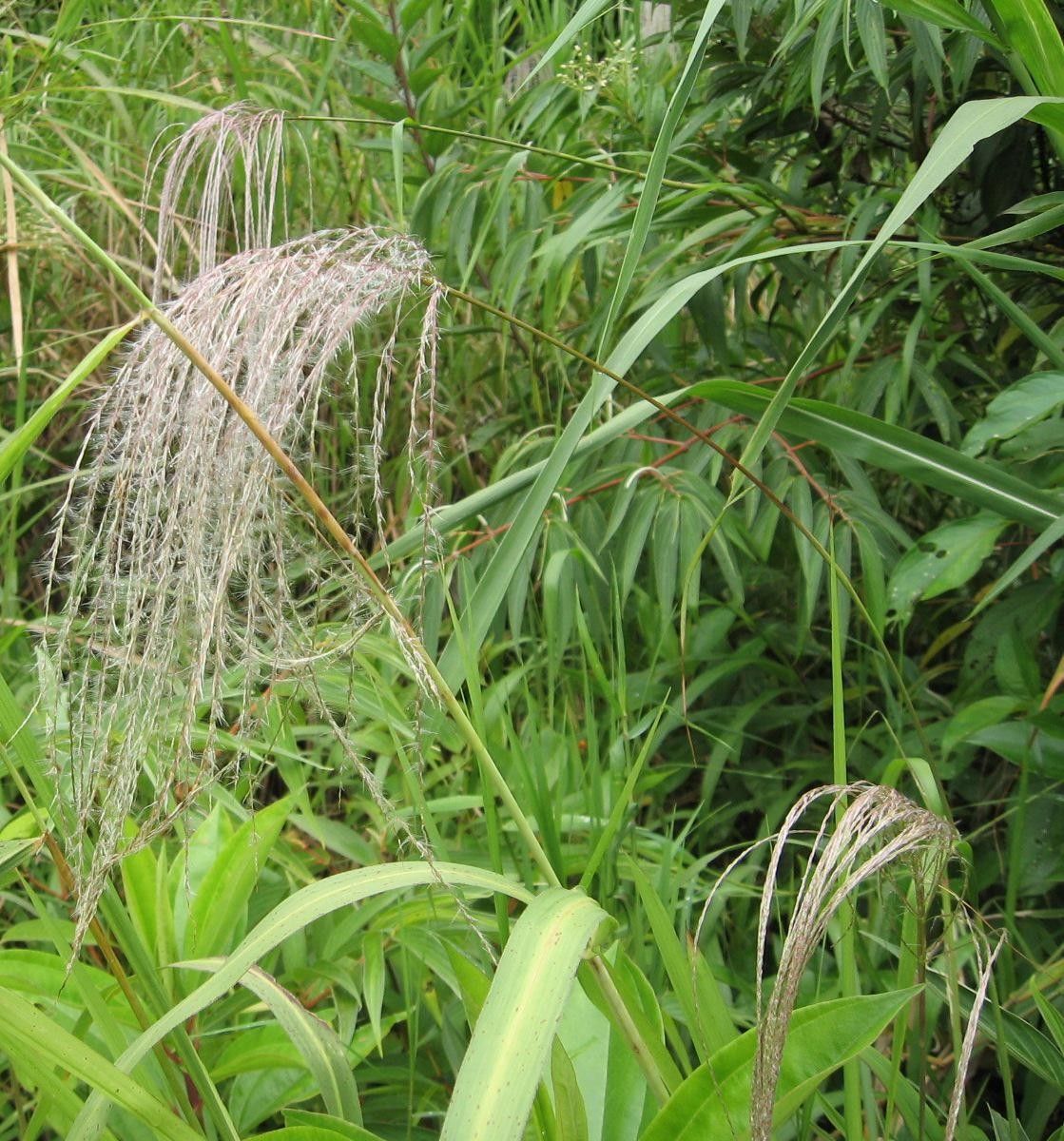
Sweet Success with Silver Plumegrass: A Guide to Propagating Paspalum saccharoides
Paspalum saccharoides, known for its beautiful silvery plumes and remarkable resilience, is an increasingly popular ornamental grass. Whether you know it as Silver Plumegrass, Dallisgrass, or Uruguayan Paspalum, this versatile plant can bring a touch of elegance and texture to your garden. If you’re looking to expand your Silver Plumegrass collection or share its beauty with others, propagation is surprisingly straightforward.
This guide dives deep into the different methods for propagating Paspalum saccharoides, empowering you to achieve sweet success:
1. Division:
Division is the most common and easiest method for propagating Silver Plumegrass, particularly for established plants. The best time for this method is during the plant’s active growing season, ideally in spring or early summer.
- Process: Carefully dig up the clump of grass, ensuring to get as much of the root system as possible. Using a sharp, clean knife or garden spade, divide the clump into smaller sections, ensuring each section has a good amount of roots and shoots attached. Replant these divisions at the same depth they were originally growing, water them well, and watch them flourish!
2. Seeds:
While slightly more challenging than division, propagating Silver Plumegrass from seed can be a rewarding experience.
- Sourcing Seeds: You can collect seeds from existing plants once the plumes turn a light brown, indicating ripeness. Alternatively, purchase seeds from reputable suppliers for guaranteed viability.
- Sowing: Plant the seeds in a well-draining seed starting mix, barely covering them with soil. Keep the mix consistently moist but not waterlogged.
- Germination: Be patient, as germination can take anywhere from a few weeks to a couple of months. Providing warmth and humidity can speed up the process. Once the seedlings have a few sets of true leaves, you can transplant them to individual pots or directly into your garden.
Tips for Success:
- Well-Draining Soil: Paspalum saccharoides thrives in well-drained soil. Whether planting divisions or seedlings, ensure your chosen location doesn’t experience standing water.
- Sunlight Requirements: This grass enjoys full sun to partial shade. Choose a location that receives at least 6 hours of sunlight daily for optimal growth.
- Watering: While drought-tolerant once established, Silver Plumegrass appreciates regular watering during its initial growth stages. Keep the soil consistently moist but not soggy.
- Fertilization: While not a heavy feeder, applying a balanced fertilizer once or twice during the growing season can encourage lusher growth.
Beyond Propagation:
Beyond its ease of propagation, Silver Plumegrass offers a wealth of benefits:
- Ornamental Value: The silvery-white plumes add a touch of magic and movement to landscapes.
- Drought Tolerance: Once established, this grass is remarkably drought-tolerant, making it suitable for water-wise gardens.
- Erosion Control: Its robust root system helps stabilize slopes and prevent erosion.
- Wildlife Habitat: The plumes provide nesting material for birds, while the seeds offer a food source.
With its beauty, resilience, and ease of propagation, Paspalum saccharoides is a rewarding addition to any garden. Embrace the joy of nurturing these graceful grasses, and watch as they transform your outdoor space into a serene oasis.