
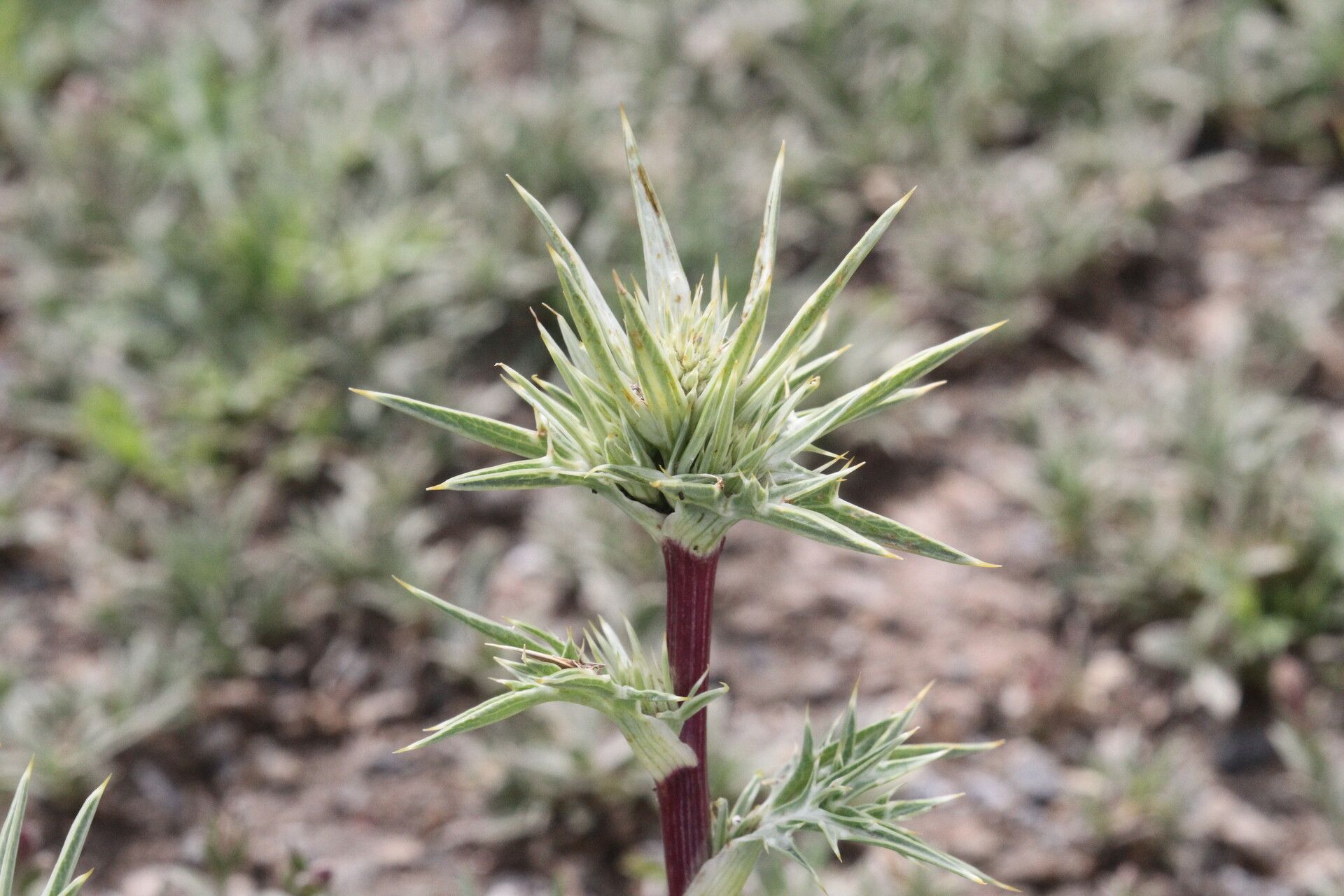
Taming the Alpine Thistle: Propagating Eryngium glaciale
Eryngium glaciale, also known as the Alpine Sea Holly, is a show-stopping perennial coveted for its shimmering, silvery-blue foliage and metallic blue, thistle-like blooms. Native to the rocky, high-altitude regions of the Alps, this hardy plant brings a touch of mountain magic to gardens with its unique beauty and captivating texture.
While acquiring Eryngium glaciale from a nursery is possible, propagating it yourself offers a fulfilling challenge and a way to expand your garden with minimal expense. Let’s explore the two main methods of propagating this alpine beauty:
1. Seed Propagation:
- Timing is Key: The best time to sow Eryngium glaciale seeds is in the fall or early spring. This allows the seeds to experience a natural period of cold stratification, crucial for breaking dormancy and triggering germination.
- Sowing the Seeds: Use a seed starting mix that drains well. Sprinkle the seeds on the surface and lightly press them in, ensuring they receive light for germination.
- Patience is a Virtue: Germination can be slow and erratic, taking anywhere from a few weeks to several months. Keep the soil consistently moist but not waterlogged.
- Providing the Right Environment: Place the seed tray in a cool location (around 15-18°C) with bright, indirect light. A cold frame or unheated greenhouse works perfectly.
- Transplanting Success: Once the seedlings develop a couple of true leaves, carefully transplant them into individual pots filled with well-draining soil. Gradually acclimatize them to outdoor conditions before planting them out in late spring or early summer.
2. Division:
- When to Divide: Mature Eryngium glaciale plants can be divided in spring or early fall. Division is an excellent method for maintaining plant health and vigor while increasing your stock.
- The Division Process: Carefully lift the entire plant from the ground, using a garden fork to minimize root disturbance.
- Creating New Plants: Using a sharp, clean knife, divide the plant into sections, ensuring each section has a good amount of healthy roots and shoots.
- Replanting: Replant the divisions immediately in their desired locations, spacing them around 30-45cm apart. Water them in well and provide temporary shade if the sun is intense.
Tips for Success:
- Well-Drained Soil is Crucial: Eryngium glaciale thrives in well-drained soil with a slightly acidic to neutral pH. Amend heavy clay soils with grit or sand to improve drainage.
- Sun-Loving Plants: Choose a sunny location for your Eryngium glaciale, as it thrives in at least 6 hours of direct sunlight daily.
- Water Wisely: While drought-tolerant once established, these plants benefit from regular watering, especially during dry spells. However, avoid overwatering, which can lead to root rot.
- Low Maintenance Beauty: Eryngium glaciale requires minimal fertilization. A light application of balanced fertilizer in spring is usually sufficient.
- Leave them Standing: Allow the seed heads to remain on the plants throughout fall and winter. They provide architectural interest and food for birds.
Propagating Eryngium glaciale might require a touch of patience, but the rewards are well worth the effort. By mastering these techniques, you can cultivate a captivating collection of these unique alpine beauties, adding a touch of silvery elegance and textural intrigue to your garden for years to come.