
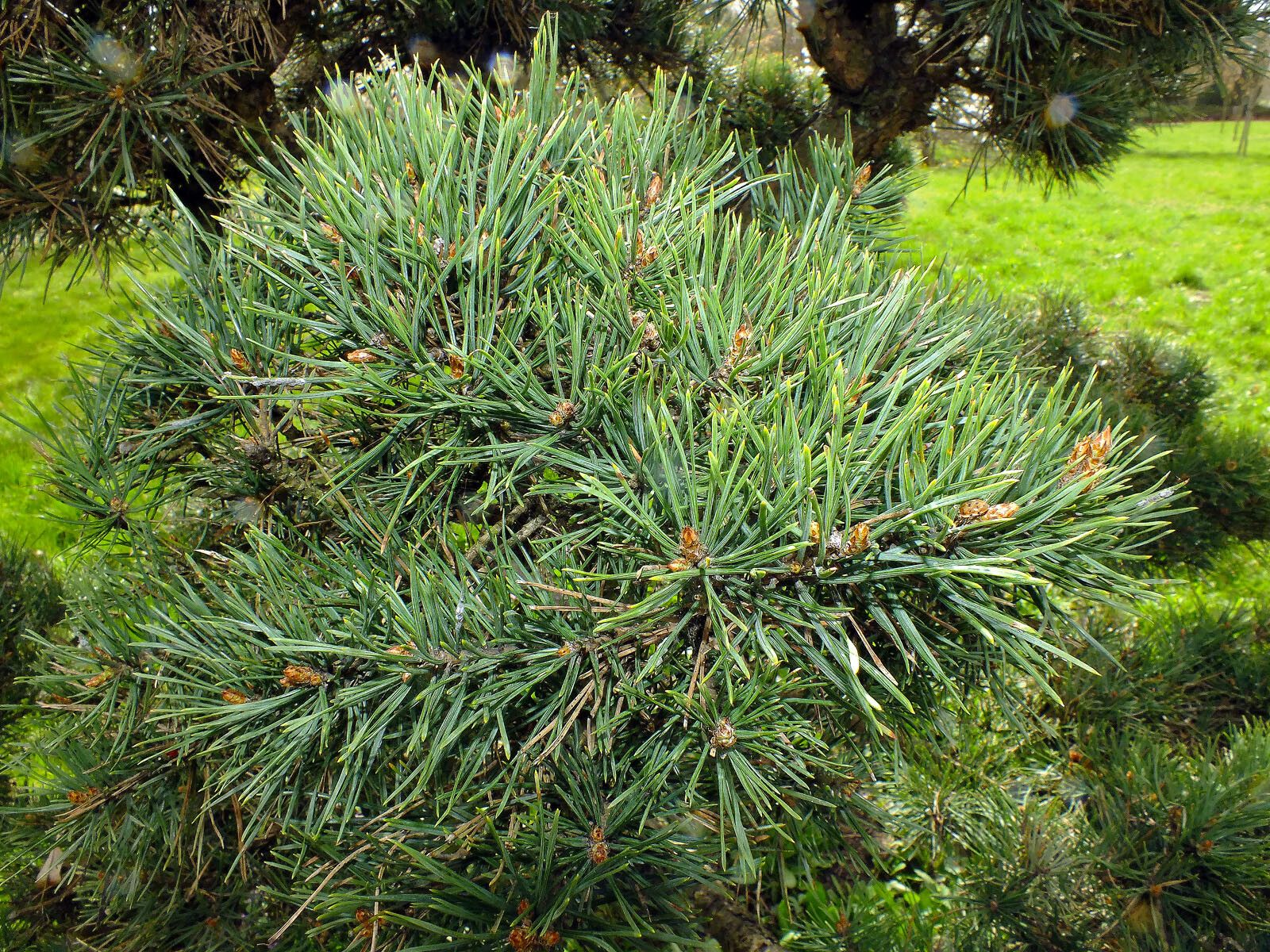
Painting the Landscape with Pines: Propagating the Japanese Red Pine
The Japanese Red Pine (Pinus densiflora), with its vibrant bark and elegant form, is a captivating sight. Whether you’re drawn to its picturesque beauty or admire its resilience, you might consider adding this tree to your own landscape. While purchasing a sapling is common, there’s a special satisfaction in propagating your own. So, let’s explore the world of Japanese Red Pine propagation, where patience meets the magic of nature.
Two Paths to Pine Propagation:
Propagating Japanese Red Pine can be achieved through two primary methods:
Seed (Sexual Propagation): This method involves collecting mature cones, extracting the seeds, and nurturing them into seedlings. It’s an economical choice, offering the potential for a larger number of trees.
- Cuttings (Asexual Propagation): This technique uses a piece of the parent plant to generate a new one. It’s generally faster than seed propagation but can be slightly more complex.
The Seed of Success:
Cone Collection and Seed Extraction: Mature cones are typically brown and slightly open. Collect them in late summer or early fall. Let them dry in a warm, well-ventilated area until the scales open, releasing the seeds.
Stratification for a Head Start: Japanese Red Pine seeds benefit from a cold period (stratification) mimicking natural conditions. Store seeds in moist sand or peat moss in the refrigerator (around 4°C) for 6-8 weeks.
Sowing the Seeds of Potential: Plant the stratified seeds in a well-draining seed-starting mix, around 1/2 inch deep. Keep the soil consistently moist but not waterlogged.
- Patience Is Key: Germination can take anywhere from a few weeks to a few months. Once seedlings emerge, provide them with ample sunlight and continue to water regularly.
Cutting to the Chase:
Timing is Everything: Take cuttings in late fall or early winter when the tree is dormant. Select healthy, young shoots from the current year’s growth.
Preparing the Cuttings: Remove the needles from the lower half of the cutting. Wound the cut end slightly to encourage root development. Dipping the cut end in a rooting hormone can improve success rates.
Planting and Creating a Humid Environment: Plant cuttings in a well-draining rooting medium, such as a perlite and vermiculite mix. Maintain high humidity around the cuttings by using a humidity dome or placing the pots in a plastic bag.
- Nurturing New Roots: Keep the rooting medium consistently moist but not soggy. It may take several weeks for roots to develop. Once rooted, gradually harden off the cuttings by slowly acclimating them to outdoor conditions.
A Rewarding Endeavor:
Propagating your own Japanese Red Pine, whether from seed or cutting, is a journey of patience and observation. Each sprouting seed and rooted cutting is a testament to your dedication and the incredible resilience of nature. As your young pines thrive, they’ll become a source of pride and a beautiful addition to your landscape, reminding you of your connection to the natural world.