
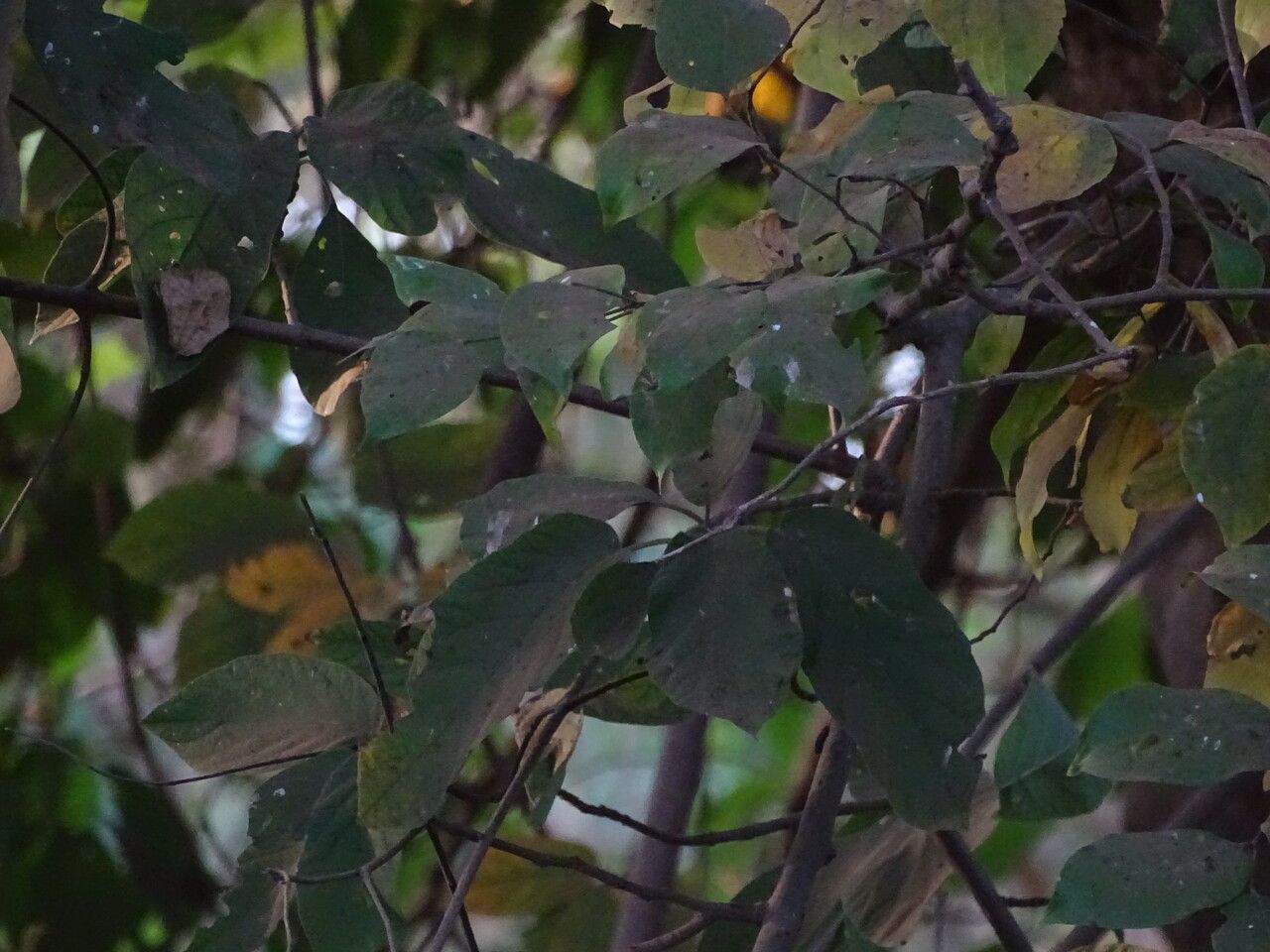
Unlocking the Secrets of Celtis toka: A Guide to Propagating this Hardy Tree
The Celtis toka, also known as the Indian Nettle Tree, is an unassuming giant in the world of landscaping. Boasting resilience, fast growth, and a unique aesthetic, this tree deserves a place in more gardens. But how do you introduce this wonder to your outdoor space? The answer lies in understanding the art of propagating Celtis toka.
This guide will equip you with the knowledge to successfully propagate this hardy tree, whether you’re a seasoned gardener or a green-thumb newbie.
Two Paths to Propagation: Seeds vs. Cuttings
Celtis toka offers two primary propagation methods:
Seed Propagation: A more time-consuming but often rewarding process.
- Cutting Propagation: A faster method with slightly lower success rates.
Embark on the Seed Propagation Journey:
Celtis toka seeds, hidden within small, fleshy fruits, require a period of stratification, mimicking the natural winter dormancy, before they sprout. Here’s how to do it:
Seed Collection and Preparation: Collect ripe fruits in late autumn or early winter. Remove the fleshy pulp and soak the seeds in water for 24 hours to separate any remaining debris.
Stratification: Mix the cleaned seeds with moist vermiculite or sand in a sealed plastic bag. Refrigerate the bag for 60-90 days to break their dormancy.
Sowing: In early spring, sow the stratified seeds in a seed tray filled with well-draining soil. Plant the seeds about 1 inch deep and mist the soil gently.
- Patience is Key: Keep the soil consistently moist but not waterlogged. Germination can take anywhere from a few weeks to a couple of months. Once the seedlings have a few sets of true leaves, they can be transplanted into individual pots.
Rapid Results with Cutting Propagation:
This method utilizes the tree’s natural ability to regenerate from stem sections.
Timing is Crucial: Take semi-hardwood cuttings from healthy branches in late spring or early summer. Cuttings should be around 6-8 inches long with a node at the base.
Prepare the Cuttings: Remove the leaves from the lower half of each cutting. Dip the cut end in rooting hormone powder to encourage root development.
Create a Suitable Environment: Plant the cuttings in a pot filled with a well-draining rooting mix, burying at least one node below the surface. Water the cuttings gently and cover the pot with a plastic bag to create a humid environment.
- Nurture and Transplant: Place the pot in a bright location but out of direct sunlight. Keep the soil consistently moist. Roots should develop in 4-6 weeks. Once rooted, the cuttings can be gradually hardened off and transplanted to their permanent location.
Nurturing Your Celtis toka:
Regardless of your chosen propagation method, proper care is crucial for young trees. Plant them in well-draining soil in a location that receives full sun to partial shade. Water regularly during the first year, especially during dry spells.
With patience and a little effort, you can successfully propagate Celtis toka and enjoy the beauty and resilience this wonderful tree brings to your landscape.