
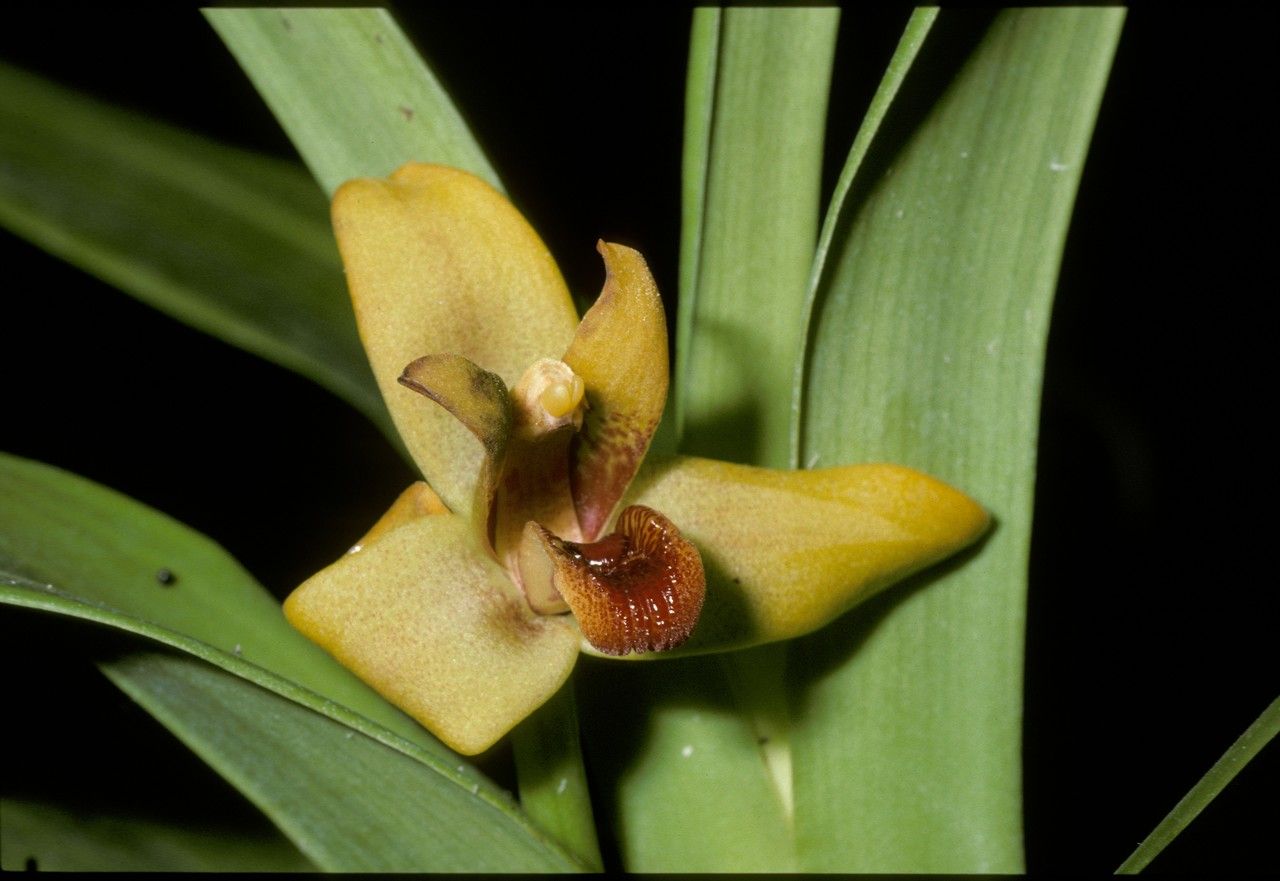
Unlocking the Secrets to Propagating the Majestic Maxillaria Elata
The Maxillaria elata, with its towering stems and captivating blooms, is a sight to behold in the orchid world. While caring for this majestic species can be a rewarding journey, many enthusiasts wonder about the best ways to propagate it and expand their collection. Fear not, fellow orchid aficionados! This guide will demystify the propagation of Maxillaria elata, equipping you with the knowledge to multiply your floral treasures.
Understanding the Basics:
Maxillaria elata belongs to the Symphodial orchid family, meaning it grows horizontally and produces new growths or “pseudobulbs” along its rhizome. This growth habit offers two primary methods for propagation: division and backbulb propagation.
1. Division: The Art of Separation
Division is the most common and generally the most successful propagation technique for Maxillaria elata. The ideal time is during spring, just as the plant begins to show new growth. Here’s what you’ll need:
- Clean and Sterilized Tools: A sharp, sterilized knife or pruning shears; rubbing alcohol for sterilization.
- Appropriate Potting Medium: A well-draining mix is crucial. Consider a combination of fine bark, perlite, and charcoal.
- Pots with Drainage Holes: Choose pots slightly larger than the divisions.
Steps for Division:
- Unpot your Maxillaria elata: Carefully remove the plant from its pot and gently remove any loose potting material.
- Identify Division Points: Look for sections of the rhizome with at least 3-4 healthy pseudobulbs. Each division should have its own roots.
- Make the Cut: Using your sterilized tool, carefully cut the rhizome to separate the divisions.
- Treat the Wounds: Dust the cut ends with cinnamon or a fungicide to prevent infections.
- Potting the Divisions: Plant each division in a fresh pot with your prepared potting mix, ensuring the base of the pseudobulbs is at or slightly above soil level.
2. Backbulb Propagation: Nurturing New Life from Older Growth
Backbulb propagation utilizes older, often leafless, pseudobulbs to generate new plants. While it takes more time than division, it’s a rewarding method to revive potentially dormant growth points.
Steps for Backbulb Propagation:
- Select Backbulbs: Choose healthy backbulbs that are firm and plump, indicating stored energy.
- Preparation is Key: Gently remove any dry sheaths covering the backbulbs.
- Creating the Ideal Environment: Place the backbulbs in a shallow tray with moist sphagnum moss or a similar moisture-retentive medium.
- Patience is a Virtue: Maintain moderate humidity and warmth. New growths can take several months to emerge.
- Potting the New Growths: Once new roots and leaves appear, pot the young plants individually using an appropriate potting mix.
Post-Propagation Care:
Regardless of the chosen method, newly propagated Maxillaria elata require gentle care:
- Bright, Indirect Light: Avoid direct sunlight, which can scorch delicate new growth.
- Consistent Moisture: Water thoroughly when the potting mix approaches dryness.
- High Humidity: Aim for 60% humidity or higher. Pebble trays or humidifiers can be beneficial.
- Patience for Blooms: It may take a couple of years for newly propagated plants to flower.
Propagating Maxillaria elata might seem daunting at first, but with these techniques and a bit of patience, even novice orchid enthusiasts can successfully multiply this stunning species. Remember, the joy of witnessing new life emerge from a carefully nurtured division or backbulb is a truly rewarding experience. Happy propagating!