
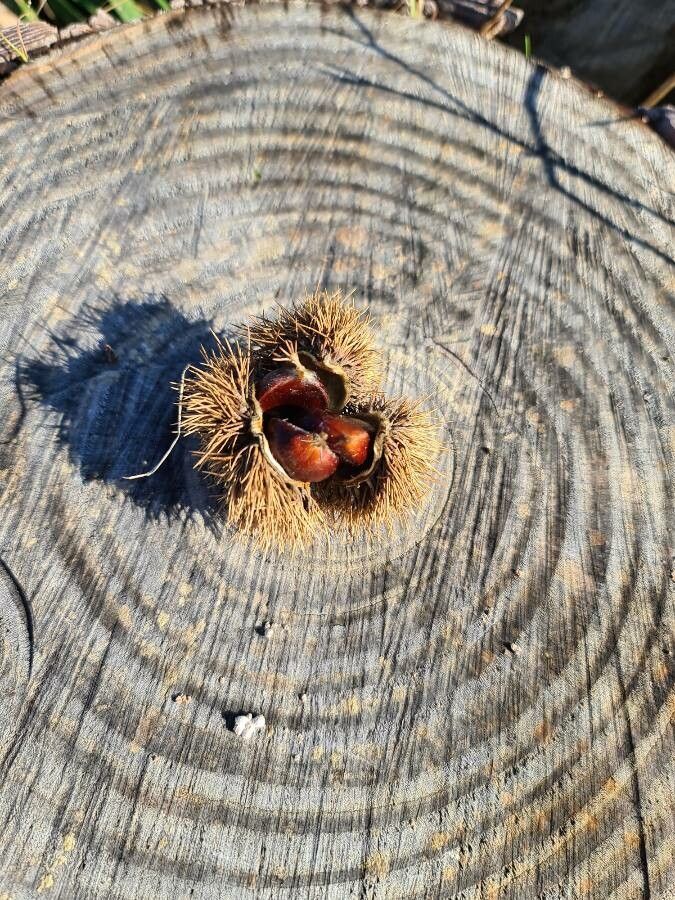
Cracking the Chestnut Code: Propagating Castanea sativa for a Bounty of Nuts
The sweet, earthy aroma of roasted chestnuts evokes cozy autumn days and festive gatherings. While many enjoy them as a seasonal treat, few consider the source – the majestic Castanea sativa, also known as the European Sweet Chestnut. This long-lived tree, with its handsome spreading canopy and edible bounty, can be a rewarding addition to your landscape. But how do you go about propagating this majestic tree? Let’s crack the chestnut code and explore the fascinating world of Castanea sativa propagation.
Planting the Seed: A Test of Patience
The most common, and arguably most gratifying, method of propagating Castanea sativa is from seed. However, patience is a virtue in this endeavor. Here’s what you need to know:
Source Fresh Chestnuts: Collect ripe chestnuts in the fall, ideally from a healthy, productive tree. Look for nuts that are plump and glossy, free from blemishes or damage.
Break Dormancy’s Grip: Chestnuts, like many tree seeds, have a built-in dormancy mechanism that prevents them from sprouting prematurely. To overcome this, you need to mimic winter conditions through a process called stratification:
- Cold Stratification: Place the chestnuts in a moist medium like peat moss or sand, seal them in a plastic bag, and refrigerate them for at least 2-3 months (mimicking winter’s chill).
Spring Awakening: In early spring, sow the stratified chestnuts in individual pots filled with well-draining potting mix. Plant them about an inch deep, ensuring the pointed end faces down.
- Patience is Key: Germination can be erratic, taking anywhere from a few weeks to several months. Be patient, maintain consistent moisture, and provide adequate sunlight once the seedlings emerge.
Beyond the Seed: Exploring Other Avenues
While seed propagation is rewarding, it doesn’t guarantee an exact replica of the parent tree. If you seek specific traits or faster results, other propagation methods might be more suitable:
Grafting: This technique involves joining a cutting (scion) from a desirable cultivar onto a compatible rootstock. Grafting allows for the preservation of specific traits like nut size, flavor, or disease resistance.
- Layering: This method encourages root development on a branch while it’s still attached to the parent tree. While a slower process, it can be a reliable way to create a clone of the parent plant.
Nurturing Your Chestnut Legacy:
Regardless of the chosen propagation method, providing optimal growing conditions is crucial for success:
Well-Drained Soil: Castanea sativa thrives in well-drained, slightly acidic soil. Soggy conditions can lead to root rot and hinder growth.
Sun-Kissed Location: Choose a sunny location that receives at least 6 hours of direct sunlight daily.
- Ample Space: These majestic trees need room to flourish. Ensure you provide ample space for their mature size, which can reach impressive heights and spreads.
Propagating Castanea sativa might require a dash of patience and dedication, but the rewards are well worth the effort. Whether you choose to start from seed or explore other methods, the satisfaction of nurturing a thriving chestnut tree, and eventually enjoying its delicious nuts, is an experience like no other. So why not embark on this rewarding journey and witness the magic of Castanea sativa unfold in your own backyard?