
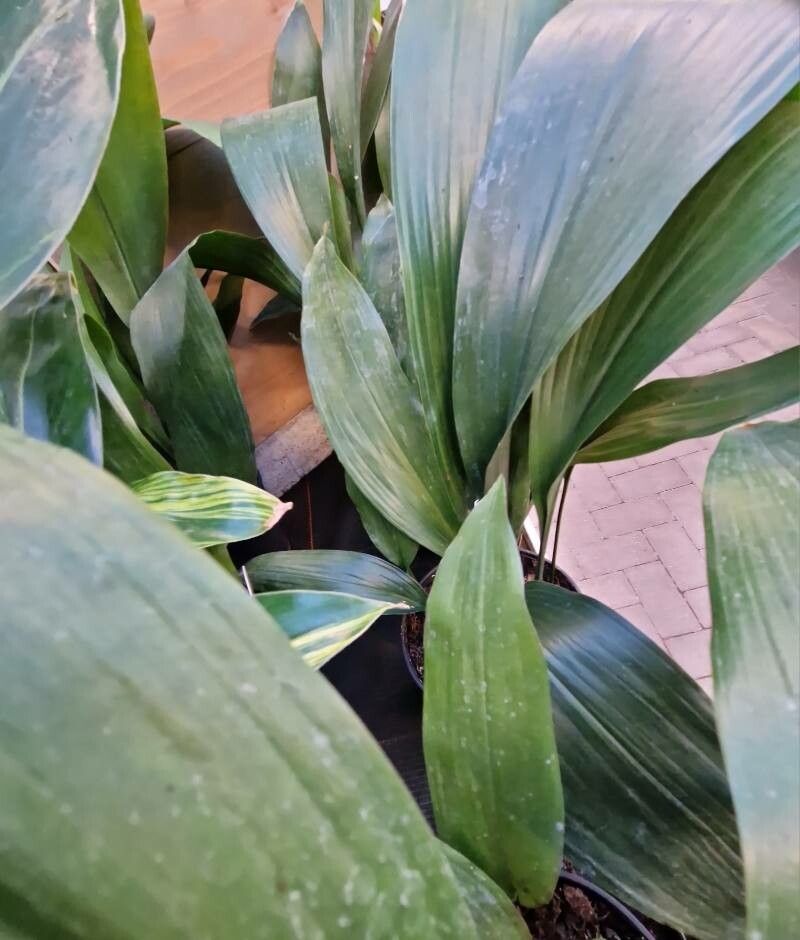
Unlocking the Secrets of Aspidistra Elatior Propagation: Grow More Cast Iron Plants For Free!
The Aspidistra Elatior, better known as the Cast Iron Plant, is a testament to its own resilience. Able to withstand low light, infrequent watering, and even a bit of neglect, it’s a favorite among beginner and experienced plant parents alike. But did you know this hardy houseplant is also remarkably easy to propagate? That’s right, you can turn one tough cookie into a whole army of verdant warriors, all for the low, low price of free!
This guide will unlock the secrets of Aspidistra Elatior propagation, taking you through two simple methods:
1. Division:
This method takes advantage of the Aspidistra’s natural growth habit. These plants grow in clumps, sending up new shoots from their rhizomes (underground stems). Dividing these clumps is the easiest and quickest way to get new plants:
- Timing is Key: The best time for division is during repotting in spring or early summer.
- Gearing Up: You’ll need a sharp, clean knife or pair of shears, fresh potting mix, and appropriately sized pots (slightly smaller than the original plant’s pot is ideal).
- Divide and Conquer: Gently remove the plant from its pot and inspect the rhizome. You’ll notice natural divisions between clumps of leaves. Use your knife or shears to carefully separate these clumps, ensuring each has a good amount of roots attached.
- Potting Your Clones: Plant each division in a new pot with fresh potting mix, ensuring the rhizome sits just below the soil surface. Water thoroughly, allowing excess water to drain.
2. Leaf Cuttings:
While slightly slower than division, propagating Aspidistra Elatior from leaf cuttings is an equally satisfying endeavor:
- Choosing the Right Leaf: Select a healthy, mature leaf from your plant. Ideally, choose one close to the base with a firm, white, nub-like structure at its base (this is where the roots will form).
- Making the Cut: Using clean, sharp shears, cut the leaf as close to the base as possible.
- Preparing the Cutting: Fill a small pot or tray with a well-draining starting mix. You can also dip the cut end in rooting hormone (optional but helpful). Make a small hole in the mix and insert the cut end of the leaf, ensuring the white nub is covered.
- Patience is a Virtue: Place the pot in a bright location, out of direct sunlight. Keep the soil consistently moist but not waterlogged. Roots will take several weeks to develop, and new growth may take even longer. Once the cutting shows new growth, you can transplant it into a larger pot.
Post-Propagation Care:
Newly propagated Aspidistra Elatior are a bit more sensitive than their established counterparts. Here are some tips to help them thrive:
- Light: Provide bright, indirect light.
- Water: Keep the soil consistently moist but not soggy.
- Humidity: These plants prefer moderate humidity. You can increase it by misting or placing the pots on a tray filled with pebbles and water.
- Fertilizer: Once new growth emerges, fertilize every 4-6 weeks during the growing season with a balanced liquid fertilizer.
Propagating your Aspidistra Elatior is a rewarding way to expand your plant family and share this hardy beauty with friends. Armed with this guide and a little patience, you’ll be well on your way to becoming a Cast Iron Plant propagating pro!