
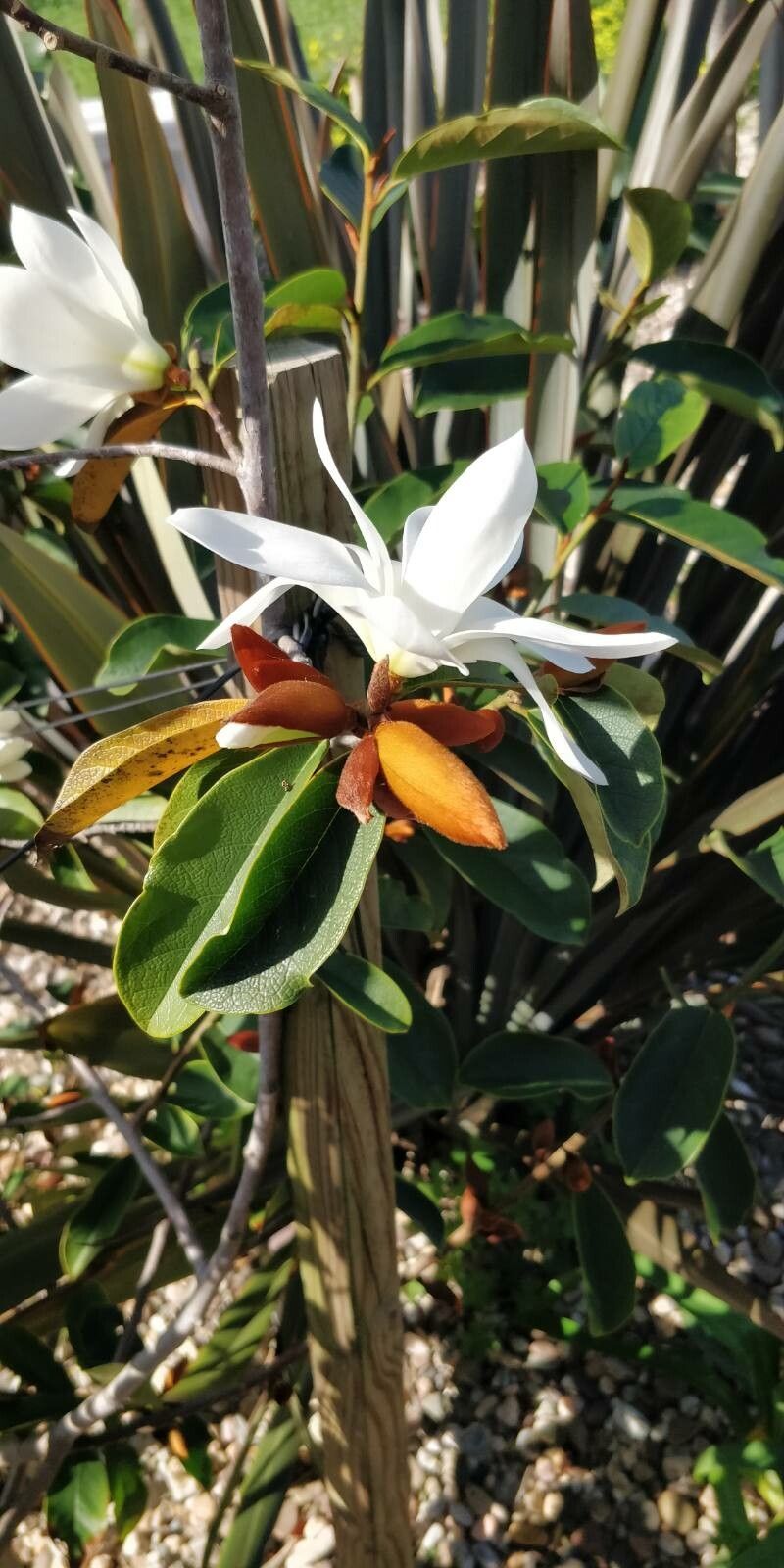
Unveiling the Mystery: How to Propagate the Exquisite Magnolia doltsopa
The Magnolia doltsopa, also known as the Sweet Michelia, captivates with its intoxicating fragrance and elegant, creamy-white blooms. Native to the Himalayas, this evergreen beauty adds a touch of exotic allure to any garden. While acquiring a mature plant is always an option, propagating your own Magnolia doltsopa is deeply rewarding and unlocks a deeper connection with this enchanting species. But how do you go about it? Let’s unlock the secrets to successfully propagating these fragrant gems.
Methods of Propagation
While Magnolia doltsopa can be grown from seed, it’s a slow and often unpredictable process. Patience is key, as seeds can take months to germinate and years to flower. On the other hand, vegetative propagation methods offer faster establishment and ensure the offspring remain true to the parent plant’s characteristics. Here are two popular vegetative methods:
1. Semi-Hardwood Cuttings:
This technique involves taking cuttings from slightly hardened branches, typically in late summer or early fall. Look for healthy stems with mature, woody bases and new growth at the tip. Here’s how to proceed:
- Prepare the Cuttings: Using a sharp, sterilized knife or pruning shears, take 6-8 inch cuttings just below a leaf node (the point where a leaf emerges from the stem). Remove leaves from the lower third of the cutting.
- Encourage Rooting: Dip the cut end in rooting hormone powder, which stimulates root development. Plant the cuttings in a well-draining rooting medium, like a mix of perlite and peat moss, ensuring the bottom node is buried.
- Provide Optimal Conditions: Place the cuttings in a warm, humid environment, ideally with bottom heat. Mist regularly or cover the cuttings with a plastic bag to maintain high humidity.
- Be Patient: Rooting can take several weeks to months. Once roots develop and new growth appears, gradually acclimate the cuttings to outdoor conditions before transplanting.
2. Air Layering:
This method encourages root development on a branch still attached to the parent plant, making it a relatively reliable technique. Here’s a breakdown:
- Select a Branch: Choose a healthy, flexible branch from the current year’s growth.
- Make an Incision: Gently wound the branch about 12 inches from the tip. You can make a small upward cut, remove a sliver of bark, or scrape away a ring of bark to expose the cambium layer.
- Apply Rooting Hormone (Optional): Dust the wound with rooting hormone to accelerate the process.
- Encase in Medium: Wrap the wounded area with moist sphagnum moss and enclose it in plastic wrap or aluminum foil, securing both ends tightly to retain moisture.
- Monitor and Transplant: After a few months, roots should be visible through the plastic. Once a healthy root system develops, sever the branch below the new roots and pot the air layer in a well-draining potting mix.
Key Factors for Success
- Timing: Semi-hardwood cuttings are best taken in late summer or early fall, while air layering is suitable from spring to early summer.
- Hygiene: Use sterile tools and clean potting media to prevent infections.
- Patience: Propagation can take time. Don’t be discouraged if you don’t see results immediately.
Propagating your own Magnolia doltsopa might seem daunting at first, but with these tips and a bit of dedication, you’ll be rewarded with the joy of watching new life unfold, adding more of this fragrant beauty to your garden and beyond.