
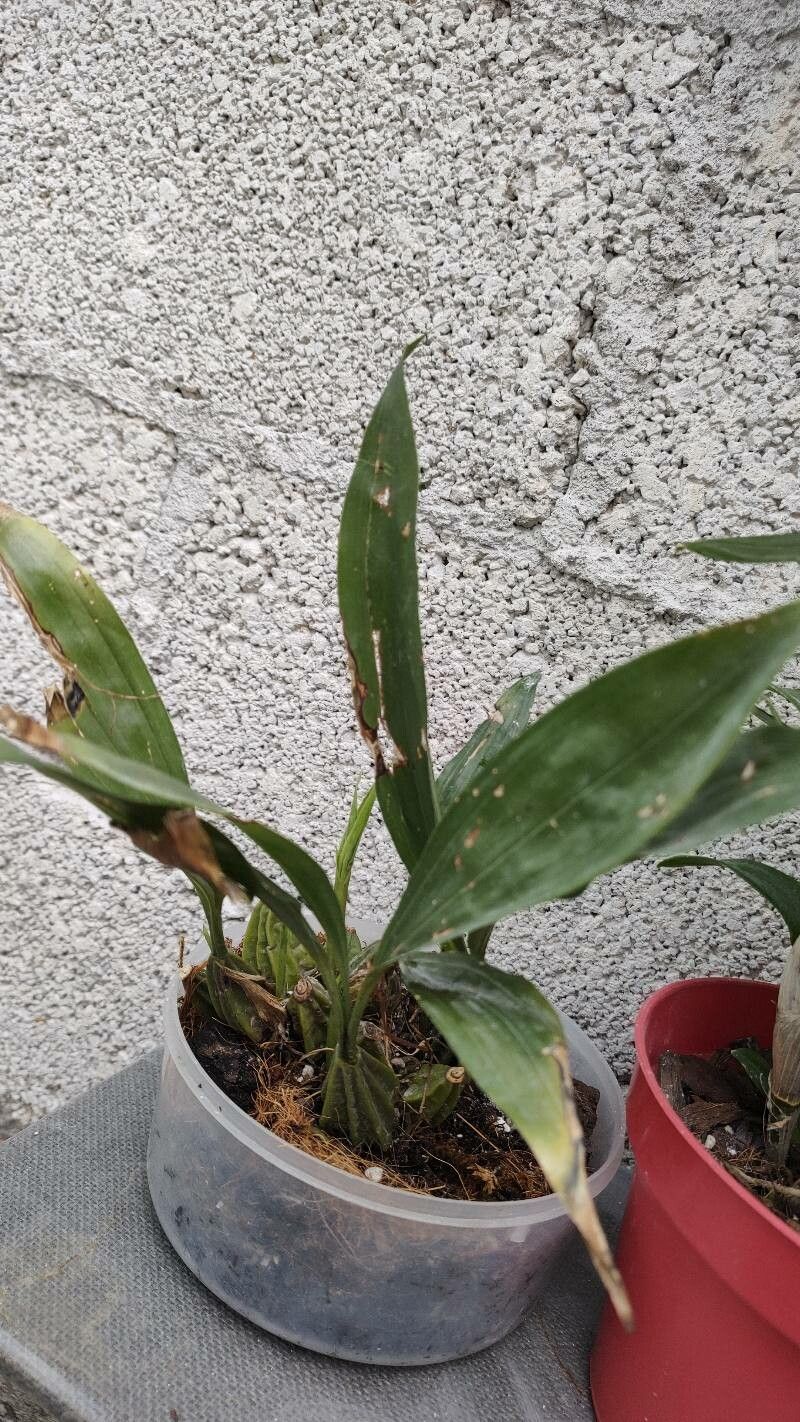
Unlocking the Secrets of Gongora Galeata Propagation: A Guide for Stunning Orchid Success
The Gongora galeata, with its cascading sprays of intricately sculpted flowers resembling tiny dancing ladies, is a captivating orchid sure to steal the hearts of any plant enthusiast. While caring for this exotic beauty can seem daunting, understanding its propagation methods can empower you to expand your collection and share its unique charm.
Unlike some orchids that readily propagate from cuttings, the Gongora galeata primarily reproduces through two main methods: division and seed germination.
1. Division: Separating for Success
Division is the most common and accessible method for Gongora galeata propagation, particularly for home growers. This technique takes advantage of the orchid’s sympodial growth habit, meaning it produces new growths along a horizontal rhizome.
Here’s a step-by-step guide to division:
- Timing is Key: The ideal time for division is during spring, just as the plant enters its active growing phase after its winter rest.
- Healthy Divisions: Look for a mature plant with at least 3-4 healthy pseudobulbs (the swollen, cane-like structures) connected by the rhizome. Each division should have a minimum of 2-3 pseudobulbs to ensure their viability.
- Sterile Instruments: Use a sterilized, sharp knife or shears to minimize the risk of infection. You can sterilize your tools by wiping them with rubbing alcohol.
- Careful Separation: Identify a suitable point along the rhizome to divide the plant, ensuring each section has the required number of pseudobulbs. Cut cleanly through the rhizome, minimizing damage.
- Potting Medium & Aftercare: Pot each division in a well-draining orchid mix, ensuring the rhizome is slightly exposed above the potting medium. Water sparingly until new growth appears, indicating successful establishment.
Division Advantages:
- Higher Success Rate: Compared to seed germination, division offers a significantly higher success rate, even for beginners.
- Faster Blooms: Divisions are already mature portions of the plant, meaning you can enjoy the spectacular blooms sooner than with seedlings.
2. Seed Germination: A Challenge for the Patient Orchid Enthusiast
Propagating Gongora galeata from seed is significantly more challenging and requires specialized knowledge and equipment. Orchid seeds are incredibly small and lack endosperm, the nutrient-rich tissue found in most seeds that fuels initial growth.
Successful germination requires a sterile environment and a nutrient-rich agar medium to support the developing seedlings. This process is best left to experienced growers or commercial nurseries equipped with laboratory facilities.
Seed Germination Advantages:
- Genetic Diversity: Seed propagation introduces greater genetic diversity, potentially leading to new and exciting variations in flower form and color.
- Conservation Efforts: While challenging, seed germination plays a vital role in preserving and expanding the gene pool of endangered orchid species, including some Gongora varieties.
Final Thoughts
Propagating your Gongora galeata is a rewarding experience that allows you to multiply your collection and deepen your appreciation for this captivating orchid. While division offers a straightforward approach for most enthusiasts, those up for a challenge can explore the intricate world of seed germination. Regardless of your chosen method, understanding the unique needs of this enchanting orchid will set you on the path to propagation success!