
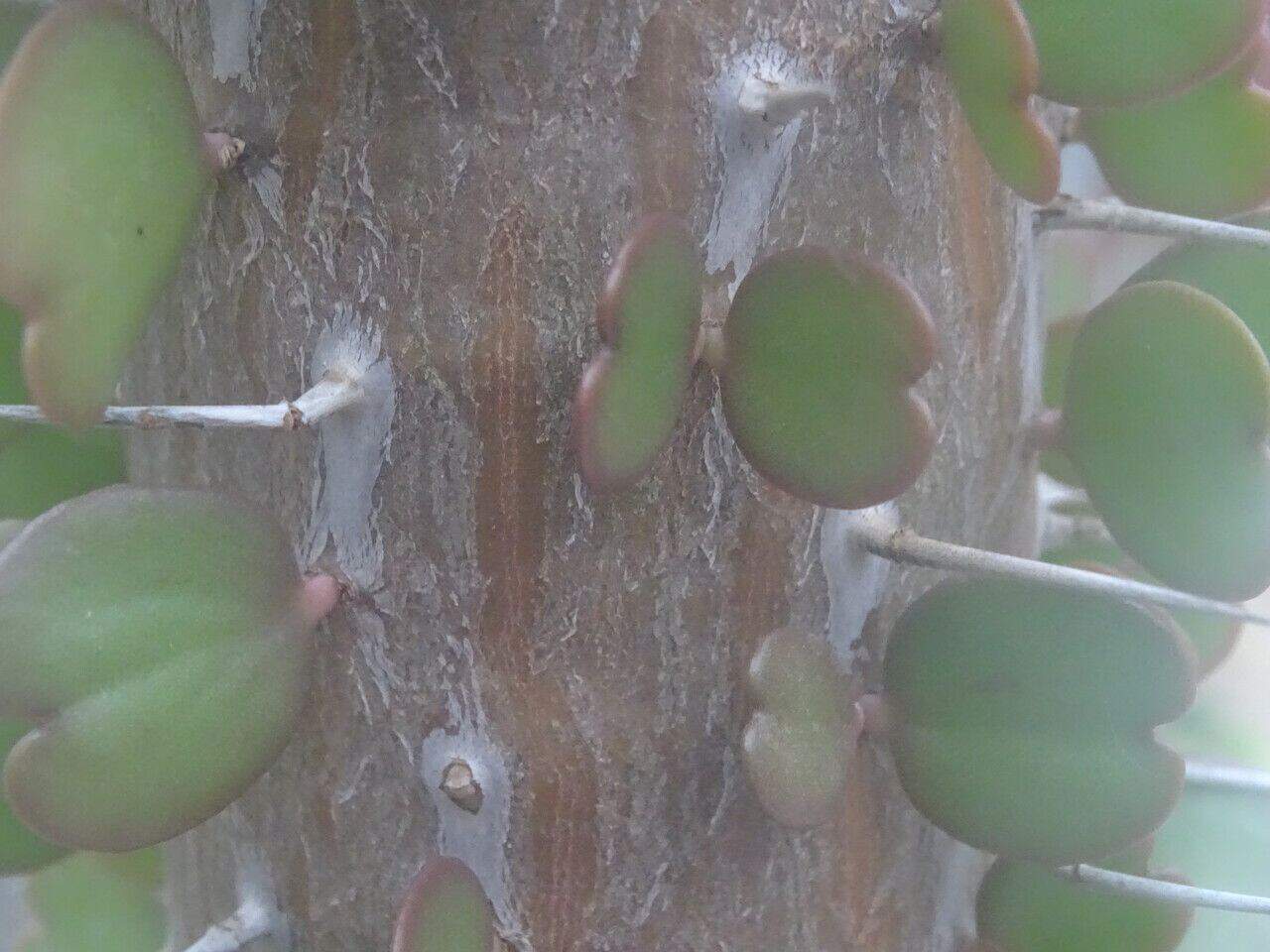
Reaching New Heights: How to Propagate the Majestic Alluaudia Ascendens
The Alluaudia ascendens, with its striking silhouette and unique, spiny charm, is a showstopper in any plant enthusiast’s collection. Native to Madagascar, this succulent tree, also known as the Madagascar ocotillo, brings an exotic touch to homes and gardens alike. But did you know that propagating your own Alluaudia ascendens is an incredibly rewarding endeavor?
While it might seem like a plant only an expert could handle, with a bit of patience and the right know-how, you can multiply your collection and witness the magic of new life sprout from cuttings.
Two Paths to Propagation:
There are two primary ways to propagate Alluaudia ascendens:
- The Pros: Seed propagation is an exciting adventure, offering the satisfaction of witnessing the entire growth process from the very beginning.
- The Cons: Acquiring seeds can be challenging, and germination rates can be low and unpredictable. Seedlings also take significantly longer to mature.
- Cutting Propagation:
- The Pros: This method boasts a much higher success rate and offers quicker results, allowing you to enjoy a mature plant sooner.
- The Cons: Finding viable cuttings might be difficult depending on your existing plant collection or access to nurseries.
Mastering the Art of Cuttings:
For most enthusiasts, taking cuttings is the preferred method for propagating Alluaudia ascendens. Here’s a step-by-step guide:
- Timing is Key: The ideal time for taking cuttings is during the active growing season, typically spring or early summer.
- Choosing your Champion: Look for healthy stems that are firm and free of damage or disease. Ideally, select a cutting that’s at least 6 inches long.
- Making the Cut: Using a sterile, sharp knife or pruning shears, make a clean cut just below a node (where leaves emerge).
- Callus Formation is Crucial: Allow the cutting to dry out (callus over) in a warm, shaded area for 5-7 days. This step is crucial for preventing rot when planted.
- Potting Mix Matters: Use a well-draining potting mix specifically formulated for cacti and succulents. A blend of perlite, pumice, and potting soil works well.
- Planting your Future Plant: Plant the callused end of the cutting about 2 inches deep in the prepared pot.
- Patience is a Virtue: Water sparingly and only when the soil is completely dry. Avoid overwatering, as it can lead to root rot.
- Signs of Success: In a few weeks, you should start seeing signs of new growth, indicating that your cutting has successfully rooted.
Tips for Success:
- While rooting hormone is not strictly necessary, dipping the callused end in a rooting hormone powder can improve the chances of successful rooting.
- Provide bright, indirect light to your cuttings.
- Ensure consistent temperatures, ideally between 70-80°F, for optimal root development.
Propagating your own Alluaudia ascendens is an incredibly rewarding experience. By following these tips, even novice gardeners can enjoy the satisfaction of growing this fascinating succulent from cuttings. So, why wait? Start propagating and watch your succulent collection reach new heights with this majestic Madagascan native!