
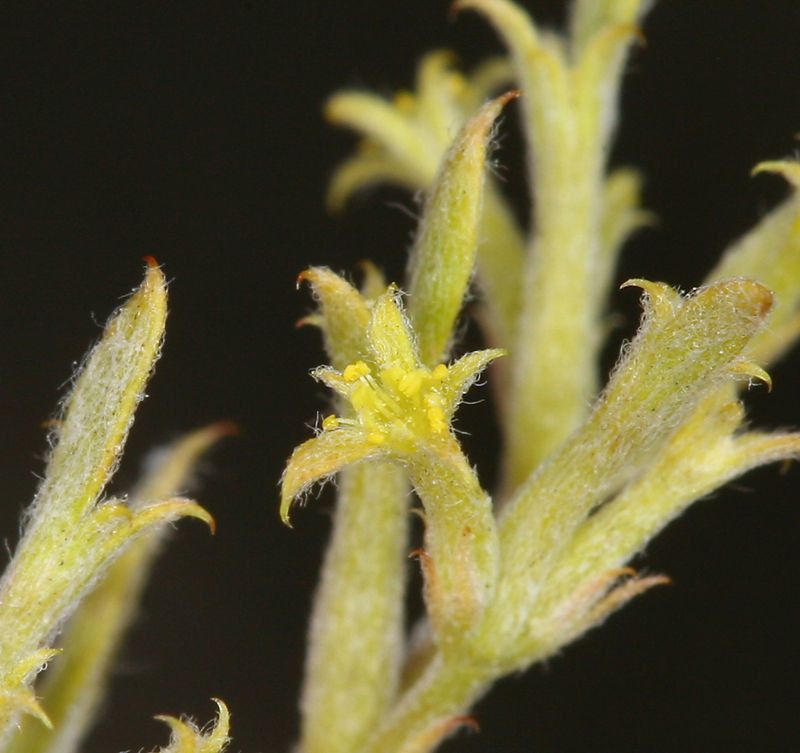
Taming the Tiny Trumpets: A Guide to Propagating the San Francisco Spineflower
The San Francisco Spineflower (Chorizanthe brevicornu) is not your average showy garden flower. This diminutive California native, with its unique, almost otherworldly appearance, holds a certain quiet charisma for plant enthusiasts looking for something different. If you’re intrigued by this delicate beauty and wish to invite its subtle charm into your garden, understanding propagation is key.
Starting from Seed: A Rewarding Challenge
While not impossible, propagating Chorizanthe brevicornu from cuttings isn’t generally successful. Seeds, however, offer a viable and satisfying route for bringing these miniature marvels to life.
Timing is Everything:
- Fall Sowing: Mimicking the plant’s natural rhythm, direct sowing in fall is ideal. The seeds benefit from the cool, moist conditions allowing them to germinate naturally with the winter rains.
- Indoor Sowing: If starting them indoors, aim for late winter. Use seed trays filled with a well-draining seed starting mix.
Sowing the Seeds of Success:
- Scarification (Optional): To improve germination rates, consider gently rubbing the seeds between two pieces of sandpaper. This process, called scarification, helps break down the seed coat.
- Shallow Planting: Scatter the seeds sparingly across the soil surface, barely pressing them in. Light is essential for germination.
- Moisture Management: Water consistently, but avoid waterlogging. A fine mist spray bottle is your best friend here, preventing the tiny seeds from dislodging.
- Patience, Young Padawan: Germination can be slow and erratic, taking anywhere from a few weeks to a couple of months.
Transplanting: Handle with Care
Once seedlings develop a couple of true leaves, carefully transplant them into individual pots or directly into the ground.
- Well-Draining Soil: Use a sandy loam mix that replicates the plant’s natural habitat.
- Sun-Kissed Location: Choose a sunny or partially shaded location with good air circulation.
Beyond Propagation: Nurturing Your Spineflower
San Francisco Spineflowers are relatively low-maintenance once established.
- Water Wisely: Water deeply but infrequently, allowing the soil to dry out between waterings. These hardy plants are surprisingly drought-tolerant.
- Fertilizer? Not So Much: Adding fertilizer can be detrimental, encouraging lush foliage growth at the expense of the charming bracts.
- Embrace Impermanence: These are short-lived perennials, often behaving as annuals. However, they readily self-seed, ensuring their presence year after year.
Growing Chorizanthe brevicornu from seed might require a touch more patience than your average garden variety, but the reward is well worth the effort. As you witness the delicate white flowers emerge, framed by those intriguing spiny bracts, you’ll understand the true magic of bringing this unique California native to life.