
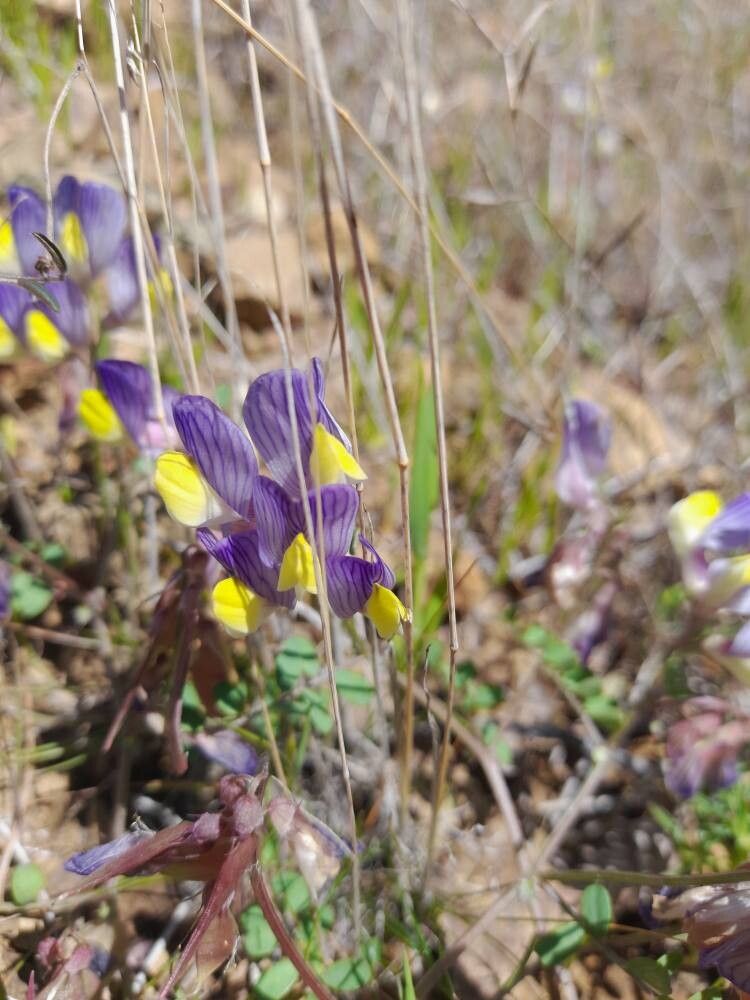
Unlocking the Secrets of Thin-Leaved Vetch Propagation: Seed and Beyond!
Thin-leaved vetch (Vicia lunata) – it might not be the first plant that pops into your head when you think “garden goals,” but this climbing beauty, with its delicate foliage and charming flowers, offers a unique charm for the adventurous gardener. Whether you’re drawn to its value as a nitrogen-fixing cover crop or simply captivated by its delicate beauty, knowing how to propagate it is key to success. While often considered a wildflower, understanding its life cycle can make all the difference in cultivating it successfully.
Let’s talk Seeds: The Primary Pathway
The most common and reliable method for propagating Vicia lunata is, without a doubt, through seeds. Here’s what you need to know:
1. Seed Collection: Thin-leaved vetch produces small, hard seeds encased in pods. Wait until the pods turn brown and dry before collecting them. Be sure to leave some behind to encourage natural reseeding in your garden.
2. Seed Treatment (Optional but Recommended): Vicia lunata seeds have a hard seed coat that can benefit from scarification to encourage germination. Try one of these methods:
- Nicking: Gently scratch the seed coat with a nail file or sandpaper.
- Soaking: Soak the seeds in lukewarm water for 24 hours before sowing.
3. Sowing: These seeds prefer cool soil, so direct sowing in either early spring or fall is ideal. Plant the seeds about 1 inch deep and space them roughly 2-3 inches apart.
4. Germination: With proper conditions, germination typically takes 1-2 weeks.
Beyond Seed: Exploring Other Avenues
While seed propagation remains the most common approach, resourceful gardeners might be interested in exploring alternative methods:
1. Division: Mature, healthy Vicia lunata plants can sometimes be divided in early spring. Carefully dig up the plant, ensuring the root system is intact. Gently separate the crown into sections, making sure each division has a good portion of roots and shoots. Replant immediately and water thoroughly.
2. Cuttings: While less common, taking stem cuttings during the growing season can be attempted. Select healthy, non-flowering stems and cut a 4-6 inch section just below a leaf node. Remove lower leaves and dip the cut end in rooting hormone (optional). Plant the cutting in a well-draining potting mix and keep it consistently moist.
Tips for Success:
- Well-Drained Soil: Vicia lunata prefers well-drained soil and won’t tolerate soggy conditions.
- Sunlight Requirements: Choose a location with full sun to partial shade.
- Watering: Water regularly after sowing until seedlings are established. Once established, the plant is relatively drought tolerant.
- Support Structure: Provide a trellis, fence, or other structure for this climbing vine to flourish.
Propagating Thin-leaved vetch, whether from seed or by slightly unconventional means, can be a rewarding experience. With a little patience and care, you’ll be able to enjoy the unique beauty this plant brings to your garden.