
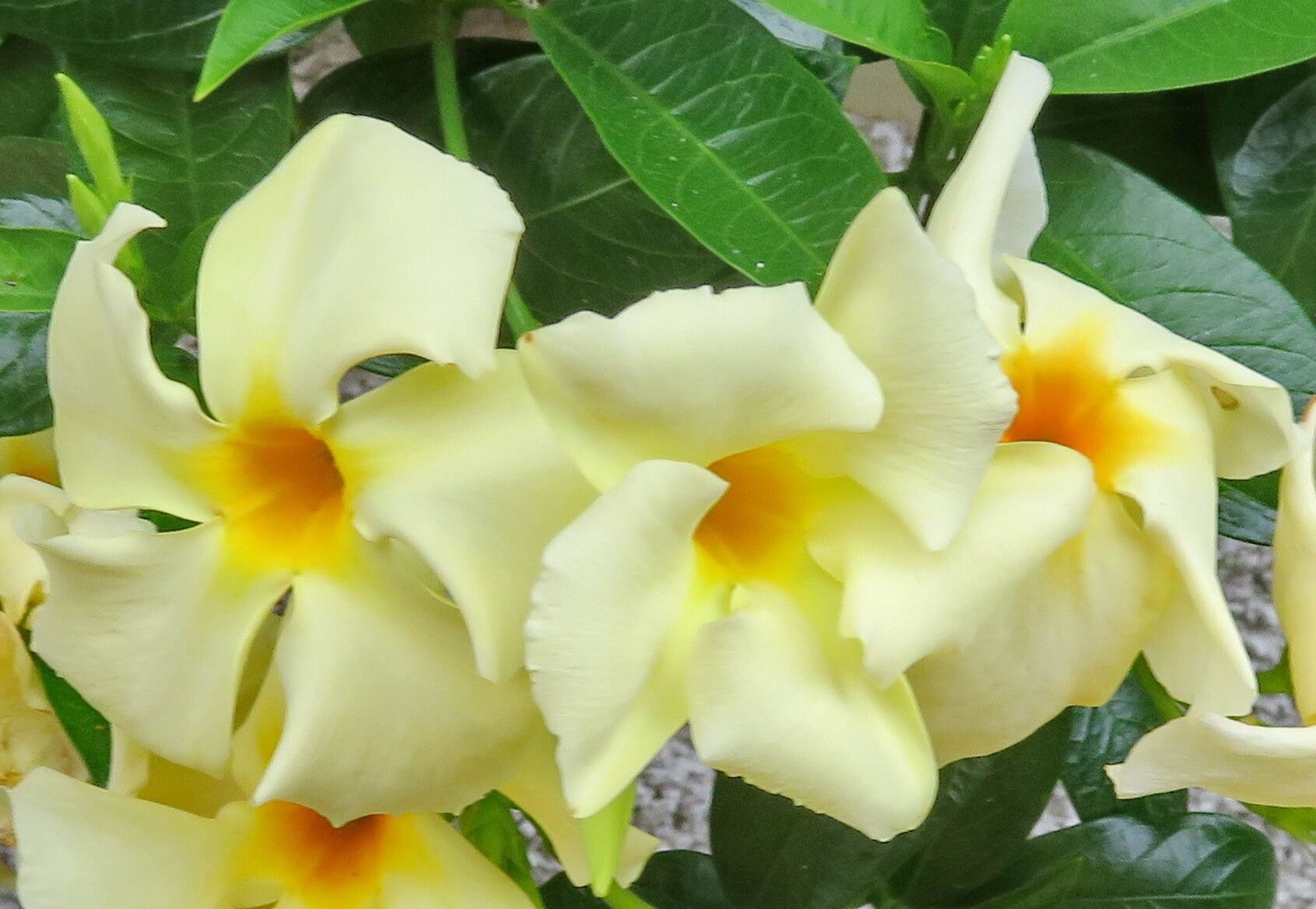
Unlocking the Secrets to Propagating Asiatic Jasmine: A Step-by-Step Guide
Asiatic jasmine (Trachelospermum asiaticum), beloved for its glossy evergreen foliage and intoxicatingly fragrant white summer blooms, can transform any garden into a sensory haven. While readily available at nurseries, wouldn’t it be even more rewarding to multiply your own supply of this charming groundcover?
Luckily, propagating Asiatic jasmine is an achievable feat, even for novice gardeners. This comprehensive guide will delve into two popular methods: stem cuttings and layering, empowering you to expand your jasmine empire with ease.
Method 1: Stem Cuttings – A Classic Approach
Stem cuttings, a tried-and-true propagation technique, involve encouraging a cut piece of stem to develop roots and grow into a new plant. Here’s how it’s done:
1. Timing is Key:
The ideal time to take stem cuttings is late spring or early summer, when the plant is actively growing.
2. Gather Your Tools:
- Sharp pruning shears or a sharp knife
- Small pots or seed trays
- Well-draining potting mix (ideally a mix of peat moss and perlite)
- Rooting hormone (optional, but recommended)
3. Taking the Cutting:
- Select a healthy, non-flowering stem.
- Using your sharp shears, make a clean cut about 4-6 inches long just below a leaf node (where the leaf attaches to the stem).
- Remove the leaves from the bottom two inches of the cutting.
4. Prepare the Cutting:
- If using rooting hormone, dip the bottom inch of the cutting into the powder or gel. This will encourage faster root development.
- Create a planting hole in your prepared pots filled with the well-draining potting mix.
5. Planting and Care:
- Gently insert the cutting into the planting hole, ensuring the bottom node is submerged.
- Water thoroughly and place the pots in a warm, brightly lit location, but out of direct sunlight.
- Mist the cuttings regularly to maintain humidity.
6. Rooting and Transplanting:
- In several weeks, you should notice new growth, signaling successful rooting.
- Once the roots are well-established, you can transplant the cuttings into larger pots or directly into your garden.
Method 2: Layering – Letting Nature Take Root
Layering is another straightforward propagation method that utilizes the plant’s natural ability to generate roots. This technique is perfect if you want to create new plants while still attached to the mother plant.
1. Select a Stem:
Choose a long, flexible stem that can easily reach the ground.
2. Prepare the Stem and Soil:
- Gently wound the underside of the stem by making a small cut or scraping off a bit of bark. This encourages root development.
- Loosen the soil beneath the selected stem and amend it with some compost for added nutrients.
3. Secure the Layer:
- Bend the wounded portion of the stem down to the soil and secure it using a landscape pin or a rock.
- Bury the wounded section under a couple of inches of soil.
4. Patience is a Virtue:
- Keep the soil consistently moist but not waterlogged.
- Check for root development after a couple of months by gently tugging on the layered stem.
- Once a strong root system has formed, you can cut the layered stem from the parent plant and transplant it.
Conclusion:
Propagating your own Asiatic jasmine is a fulfilling and budget-friendly way to expand your garden’s beauty and enjoy the captivating fragrance of this beloved groundcover. Whether you choose the classic stem cutting method or the more passive layering technique, with a little patience and care, you’ll be well on your way to creating a flourishing jasmine haven. Happy propagating!