
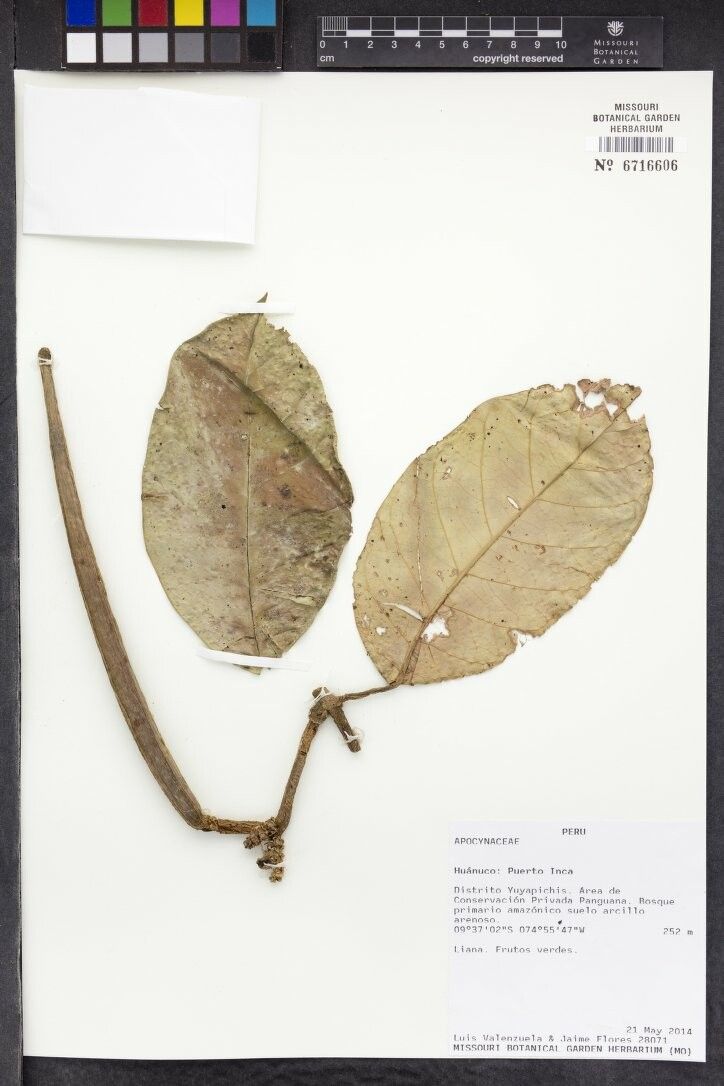
Unlocking the Secrets of Prestonia trifida Propagation: A Guide for Plant Enthusiasts
Prestonia trifida, also known as milk vine or purple twine vine, is a captivating climber coveted for its vibrant, deep-purple blossoms. While its beauty is undeniable, propagating this tropical gem can seem like a mystery to even seasoned gardeners. Fear not! This guide will demystify the process, equipping you with the knowledge to cultivate more of these floral wonders.
Two Paths to Propagation:
Prestonia trifida generally utilizes two main methods of propagation:
1. Seed Propagation: A Test of Patience
- The Challenge: Seeds of the Prestonia trifida are not readily available and require specific conditions to germinate successfully.
- The Process:
- Source: Your best bet is to collect seeds directly from a mature plant’s seed pods.
- Preparation: Gently extract the seeds and allow them to dry for a few days.
- Sowing: Plant the seeds in a well-draining seed-starting mix, barely covering them with soil.
- Environment: Provide warmth (around 75°F) and consistent moisture. A humidity dome or plastic wrap over the tray can help maintain the necessary humidity.
- Patience: Germination can be slow and erratic, taking anywhere from a few weeks to several months.
2. Stem Cuttings: A Quicker Route to Success
- The Advantage: Stem cuttings offer a faster and more reliable method for propagating Prestonia trifida.
- The Process:
- Timing: Spring or early summer, when the plant is actively growing, is the optimal time to take cuttings.
- Selection: Choose healthy, non-flowering stems about 4-6 inches long.
- Preparation: Remove the lower leaves, leaving only a few at the top.
- Rooting Hormone (Optional): While not strictly necessary, dipping the cut end in rooting hormone can encourage faster root development.
- Planting: Insert the cuttings into a well-draining potting mix, burying at least one node (the point where leaves were attached) below the surface.
- Environment: Keep the cuttings consistently moist and in a warm, humid environment, similar to seed propagation.
- Success: You’ll know your cuttings are successful when you see new growth, usually within a few weeks.
Tips for Propagation Success:
- Well-Draining Soil: Prestonia trifida prefers well-draining soil, so always use a light and airy mix for both seeds and cuttings.
- Bright, Indirect Light: Provide bright, indirect light throughout the propagation process.
- Warmth and Humidity: Maintain a warm and humid environment to encourage root development. A heat mat and humidity dome can be helpful.
- Patience: Remember that propagation takes time. Don’t be discouraged if you don’t see results immediately.
Propagating your own Prestonia trifida can be a rewarding experience. By following these guidelines and exercising patience, you’ll soon be enjoying the beauty of these stunning vines throughout your garden or home.