
Unlocking the Secrets: Propagating Your Fortunate Fern (Lepisorus fortuni)
The Lepisorus fortuni, affectionately nicknamed the “Fortunate Fern,” is a fascinating evergreen fern native to East Asia. Adored for its lush, arching fronds and air-purifying qualities, this fern brings a touch of the exotic to any home or garden. While relatively low-maintenance, understanding its propagation methods unlocks a world of possibilities, allowing you to expand your fern family for personal enjoyment or even share the joy with friends and fellow plant enthusiasts.
Understanding the Fern’s Life Cycle
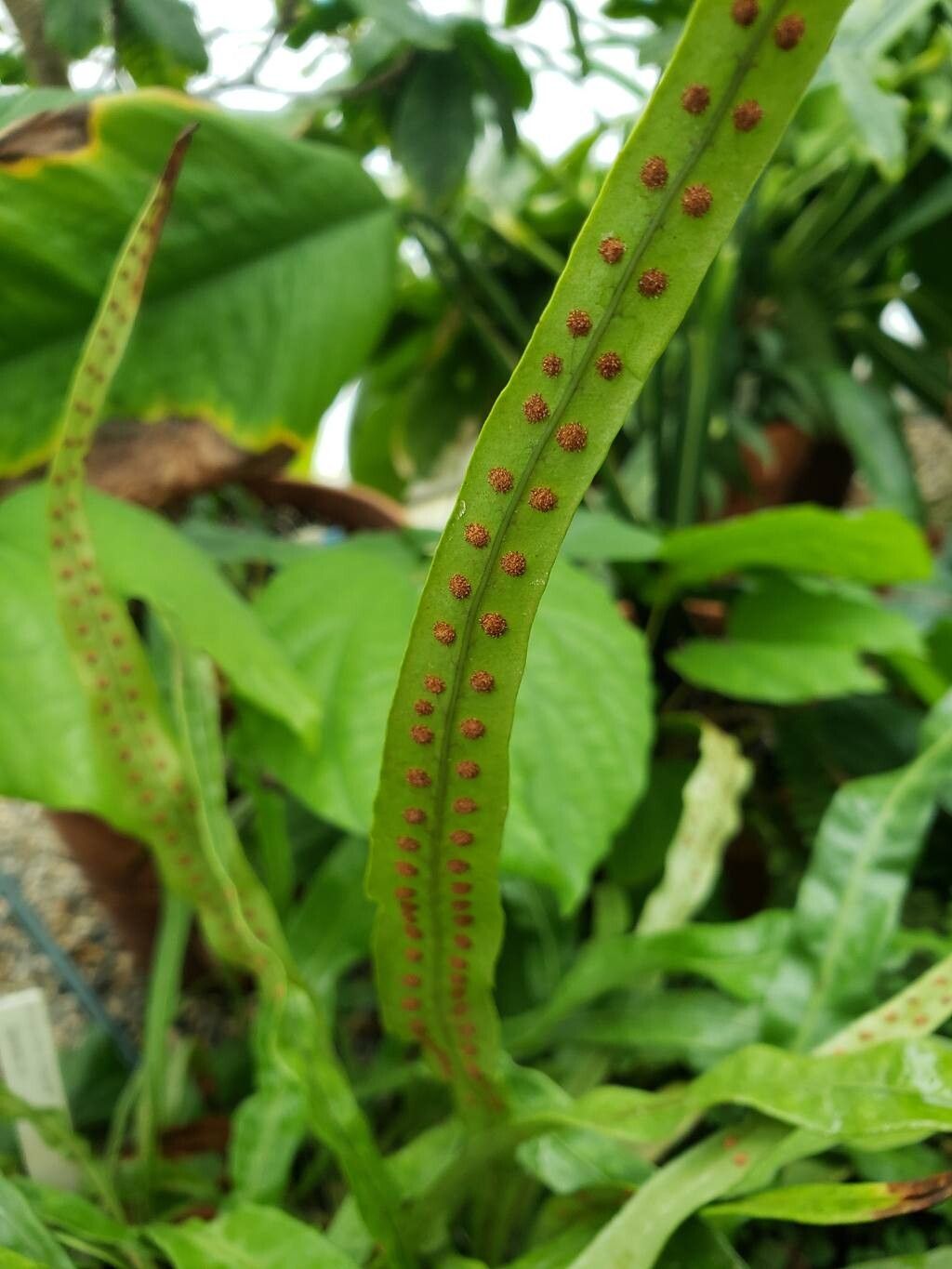
Before diving into the “how-to,” let’s demystify the fern’s life cycle. Unlike most plants that reproduce through seeds, ferns reproduce through spores, tiny dust-like particles found on the underside of their fronds. These spores develop into what we call “gametophytes” – small, heart-shaped structures that produce both male and female reproductive cells. The fusion of these cells then gives rise to a new fern plant.
Two Paths to Propagation
There are two primary methods for propagating Lepisorus fortuni:
1. Spore Propagation: A Journey of Patience
For the patient gardener, cultivating ferns from spores offers a uniquely rewarding experience. Here’s how:
- Spore Collection: When the spores on the underside of the frond appear dark and slightly raised, gently scrape them onto a clean piece of paper.
- Sowing the Spores: Prepare a sterile, well-draining seed starting mix. Moisten the mix and evenly scatter the spores on the surface. Avoid burying them; they require light for germination.
- Creating a Humid Environment: Cover the pot with a clear lid or plastic wrap to maintain high humidity, mimicking the fern’s natural environment. Place the pot in a warm, brightly lit location, out of direct sunlight.
- Germination & Growth: Germination can take anywhere from a few weeks to several months. Once small, heart-shaped gametophytes appear, maintain moisture and humidity. Eventually, tiny fern fronds will emerge from these gametophytes.
- Transplanting: When the fernlets are large enough to handle, carefully transplant them into individual pots, using a well-draining potting mix.
2. Division: The Simpler Route
For a more straightforward approach, division offers quicker results:
- Timing is Key: The best time for division is during the spring or early summer when the plant is actively growing.
- Divide and Conquer: Gently remove the fern from its pot and carefully tease apart the root ball into smaller sections, ensuring each section has a good amount of roots and fronds.
- Replanting: Plant the divisions in individual pots using a well-draining potting mix. Water thoroughly and provide indirect light.
Tips for Success:
- Lepisorus fortuni prefers bright, indirect light. Avoid direct sunlight which can scorch the fronds.
- These ferns thrive in high humidity. Regularly misting the plant or placing it near a humidifier will help recreate its ideal environment.
- Keep the soil consistently moist but not waterlogged.
- Lepisorus fortuni prefers cooler temperatures, ideally between 60-75°F (15-24°C).
Propagating your Lepisorus fortuni is a rewarding experience, offering a deeper connection to this fascinating plant. Whether you choose the patient path of spore propagation or the simpler method of division, with a little care and attention, you’ll soon be enjoying the beauty of even more Fortunate Ferns in your home.