
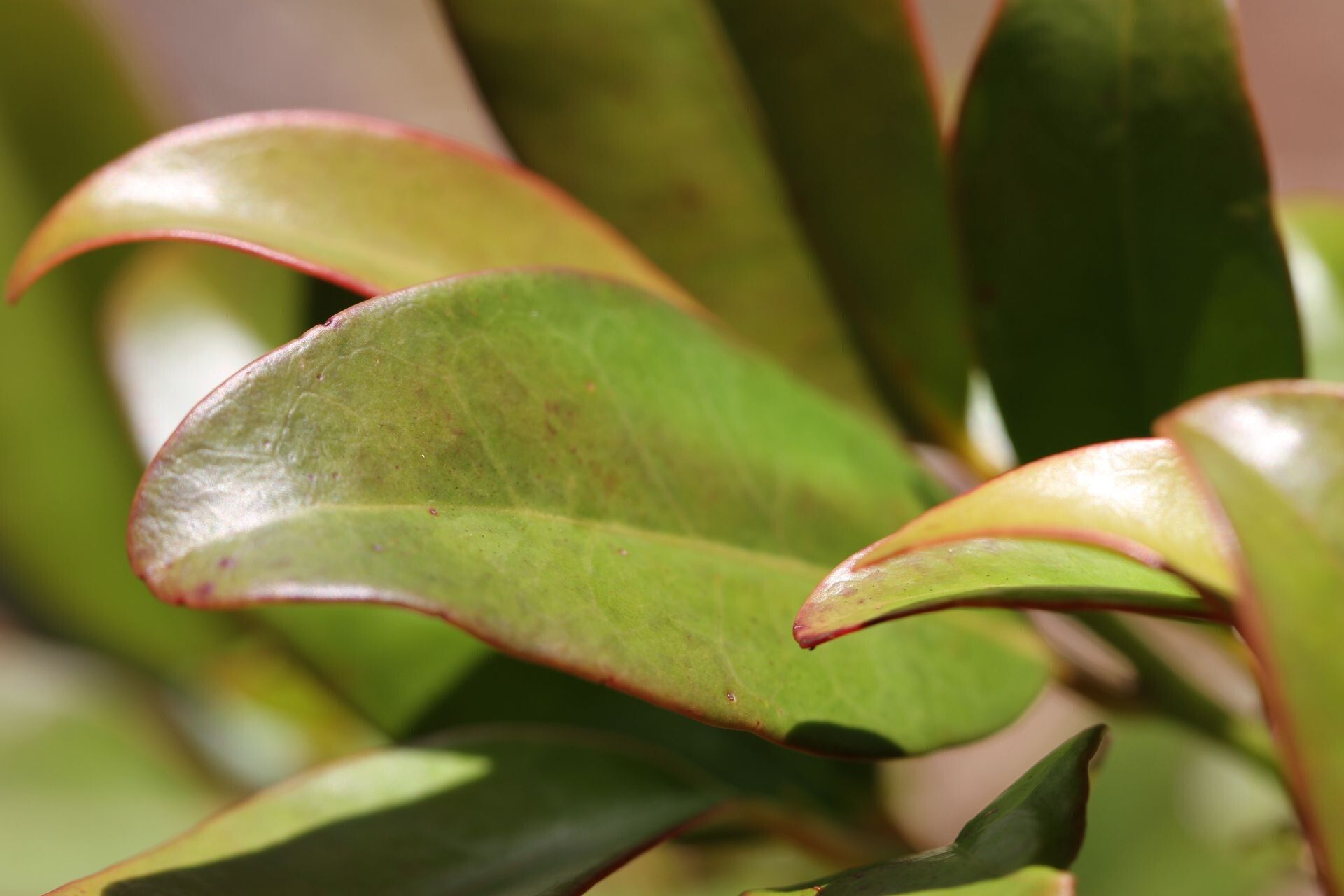
Unveiling the Secrets of Dicarpellum Pancheri Propagation: A Guide to Growing This Rare Gem
The world of horticulture is teeming with enchanting species, and among them stands the captivating Dicarpellum pancheri. This rare New Caledonian gem, with its glossy leaves and delicate white flowers, is a sight to behold. But don’t let its exotic allure intimidate you! While propagating Dicarpellum pancheri might sound like a task for seasoned botanists, this guide will equip you with the knowledge to nurture this beauty from seed or cutting.
Seed Propagation: A Test of Patience and Precision
Propagating Dicarpellum pancheri from seed is a rewarding, albeit lengthy, process. Here’s what you need to know:
1. Sourcing Seeds: Due to its rarity, finding Dicarpellum pancheri seeds can be challenging. Look for reputable online vendors specializing in rare plant species or connect with botanical gardens for potential seed exchanges.
2. Sowing the Seeds: These seeds require warmth and humidity for germination. Use a seed-starting mix that’s well-draining and sow the seeds shallowly. Enclose the pot in a plastic bag or humidity dome to maintain moisture. Patience is key, as germination can take several weeks to months.
3. Nurturing Seedlings: Once germinated, provide bright, indirect light and maintain consistent moisture. Avoid overwatering, as it can lead to root rot. Seedlings are delicate, so handle them with care when repotting.
Cutting Propagation: A Faster Path to Success
For those seeking quicker results, propagation through cuttings offers a faster route.
1. Taking Cuttings: During the plant’s active growing season (spring to early summer), select healthy, semi-hardwood stems. These are stems that are mature but still somewhat flexible. Use a sterilized, sharp knife or pruning shears to take 4-6 inch cuttings, making a clean cut just below a leaf node.
2. Preparing the Cuttings: Remove the lower leaves from the cutting, leaving 2-3 leaves at the top. You can dip the cut end in rooting hormone powder (though not mandatory, it can speed up the process).
3. Planting the Cuttings: Use a well-draining potting mix, similar to the one used for seeds. Make a small hole in the mix and gently insert the cutting. Firm the soil around it to provide support.
4. Creating a Humid Environment: Just like with seedlings, maintain high humidity around the cuttings. You can achieve this by covering the pot with a clear plastic bag or using a humidity dome. Ensure the cuttings receive bright, indirect light and maintain a consistently moist environment.
Patience is Key: Caring for Your New Plants
Whether you choose seeds or cuttings, remember that Dicarpellum pancheri prefers well-draining soil and bright, indirect light. Avoid overwatering and provide good air circulation to prevent fungal diseases.
With dedication and careful attention, you can witness the magic of Dicarpellum pancheri propagation firsthand. The journey may require patience, but the reward of cultivating this rare treasure is truly enriching for any plant enthusiast.