
Doubling Down on Dandelions: Propagating Krigia in Your Garden
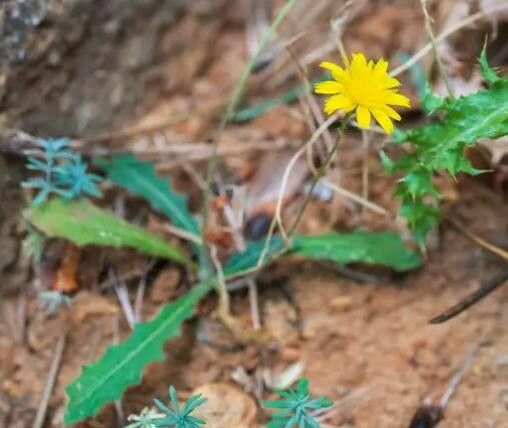
The name might sound fierce, but Krigia dandelion, also known as the dwarf dandelion or potato dandelion, is a charming little wildflower. Don’t let its common name fool you, though. While it resembles the ubiquitous dandelion, Krigia boasts a unique charm with its finely cut foliage and cheerful, sunny blossoms. If you’re looking to invite this cheerful native plant into your yard, propagation is surprisingly easy and rewarding!
Two Paths to Propagation
Krigia dandelion readily multiplies in two ways: seeds and division. Each method offers its own benefits and challenges:
1. Seeding Success:
- Timing is Key: You can either sow seeds directly into your garden after the last frost or start them indoors 6-8 weeks prior.
- Simplicity is Golden: Scatter seeds lightly over prepared soil and cover them with a thin layer, about ¼ inch deep.
- Patience is a Virtue: Germination can take a few weeks. Keep the soil consistently moist but not waterlogged.
- The Power of Sharing: Krigia readily self-seeds, meaning your initial planting may lead to new volunteers in the following years.
2. Division for a Head Start:
- Divide and Conquer: Mature Krigia plants form clumps that can be divided in spring or fall.
- Digging Deep: Carefully dig up a clump, ensuring you get a good portion of the root system.
- Splitting Hairs: Gently separate the clump into smaller sections, each with healthy roots and foliage.
- New Beginnings: Replant divisions at the same depth they were originally growing and water them well.
Tips for Thriving Krigia:
Regardless of your chosen propagation method, a few key tips ensure success:
- Sun-Kissed Delight: Plant Krigia in a location that gets at least six hours of sunlight per day.
- Drainage is Key: Krigia prefers well-drained soil. Amend heavy clay soil with compost or other organic matter to improve drainage.
- Water Wisely: While Krigia is relatively drought-tolerant once established, regular watering during its first year will encourage strong root development.
- Keep it Natural: Avoid the use of chemical fertilizers, as they can negatively impact the delicate balance of your garden ecosystem.
Reaping the Rewards:
Propagating your own Krigia dandelion is a rewarding experience. You’ll not only enjoy the beauty of these cheerful wildflowers in your own garden but also contribute to the wellbeing of local pollinators who rely on native plants for food and habitat. So go ahead, embrace your inner gardener, and spread the joy of Krigia!