
Unlocking the Desert’s Secret: How to Grow Linanthus Parryae From Seed
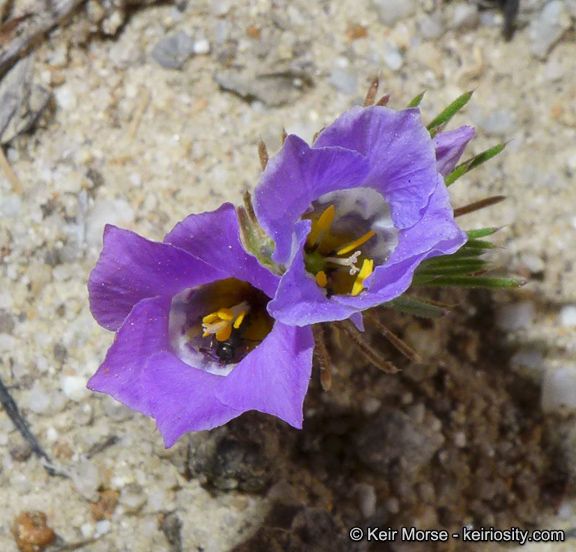
The desert, for all its stark beauty, holds hidden treasures. Among them is the ephemeral elegance of Linanthus parryae, more commonly known as the desert snow or Parry’s linanthus. This delicate annual bursts forth in a breathtaking display of white to pale pink blossoms, carpeting the arid landscape after spring rains. And while its fleeting presence in the wild might seem like a fleeting fantasy, bringing this desert jewel into your garden is easier than you might think, especially through the magic of propagation.
Why Choose Seeds?
While you might find Linanthus parryae plants at specialty nurseries, propagating them from seed opens up a world of possibilities. Not only is it a cost-effective way to fill your garden with these beauties, but it also allows you to experience the joy of nurturing a plant from its very beginning.
Timing is Everything: When to Sow
Linanthus parryae thrives in cool-season conditions. In their natural habitat, these wildflowers rely on winter rainfall and mild temperatures for germination. To mimic these conditions, aim to sow your seeds in the fall, ideally after the first rain. This timing allows the seeds to undergo natural stratification (a period of cold exposure) over the winter, which encourages successful germination come spring.
Creating the Perfect Nursery Bed
- Well-Draining Soil: Like most desert dwellers, Linanthus parryae abhors waterlogged soils. Use a well-draining seed starting mix or amend your garden soil with perlite or sand to ensure proper drainage.
- Sowing Depth: These tiny seeds need light to germinate. Scatter them directly on the soil surface and press them in gently, ensuring good contact but avoiding burying them too deep.
- Location, Location, Location: Choose a spot in your garden that receives full sun to partial shade. These wildflowers are remarkably adaptable and can tolerate a range of light conditions.
- Watering with Care: Water the seedbed regularly, keeping the soil consistently moist but not soggy. Overwatering can lead to fungal diseases and hinder germination.
From Seedling to Bloom: Nurturing Your Linanthus Parryae
- Thinning the Herd: As your seedlings emerge and develop their first set of true leaves, thin them out to allow for better air circulation and prevent overcrowding. Aim for a spacing of about 6-8 inches between plants.
- Minimalist Feeding: Linanthus parryae are not heavy feeders. In fact, overly rich soils can lead to excessive foliage growth at the expense of flowers. A light application of a balanced, slow-release fertilizer in the early spring is usually sufficient.
- Enjoying the Show: With proper care, your Linanthus parryae plants will reward you with a stunning display of blossoms in the spring.
Beyond the Bloom: Seed Collection and Sharing the Beauty
As the blooms fade, allow the seed heads to dry completely on the plants. Collect the tiny black seeds and store them in a cool, dry place. You can share these seeds with fellow gardening enthusiasts or sow them the following fall to perpetuate the cycle of desert beauty in your garden.
Growing Linanthus parryae from seed is a rewarding experience for gardeners of all levels. This simple guide provides the necessary information to cultivate these enchanting wildflowers, bringing a touch of the desert’s ephemeral beauty to your own backyard. So, why wait? Embrace the magic of propagation and let these delightful blooms transport you to a world of wonder.