
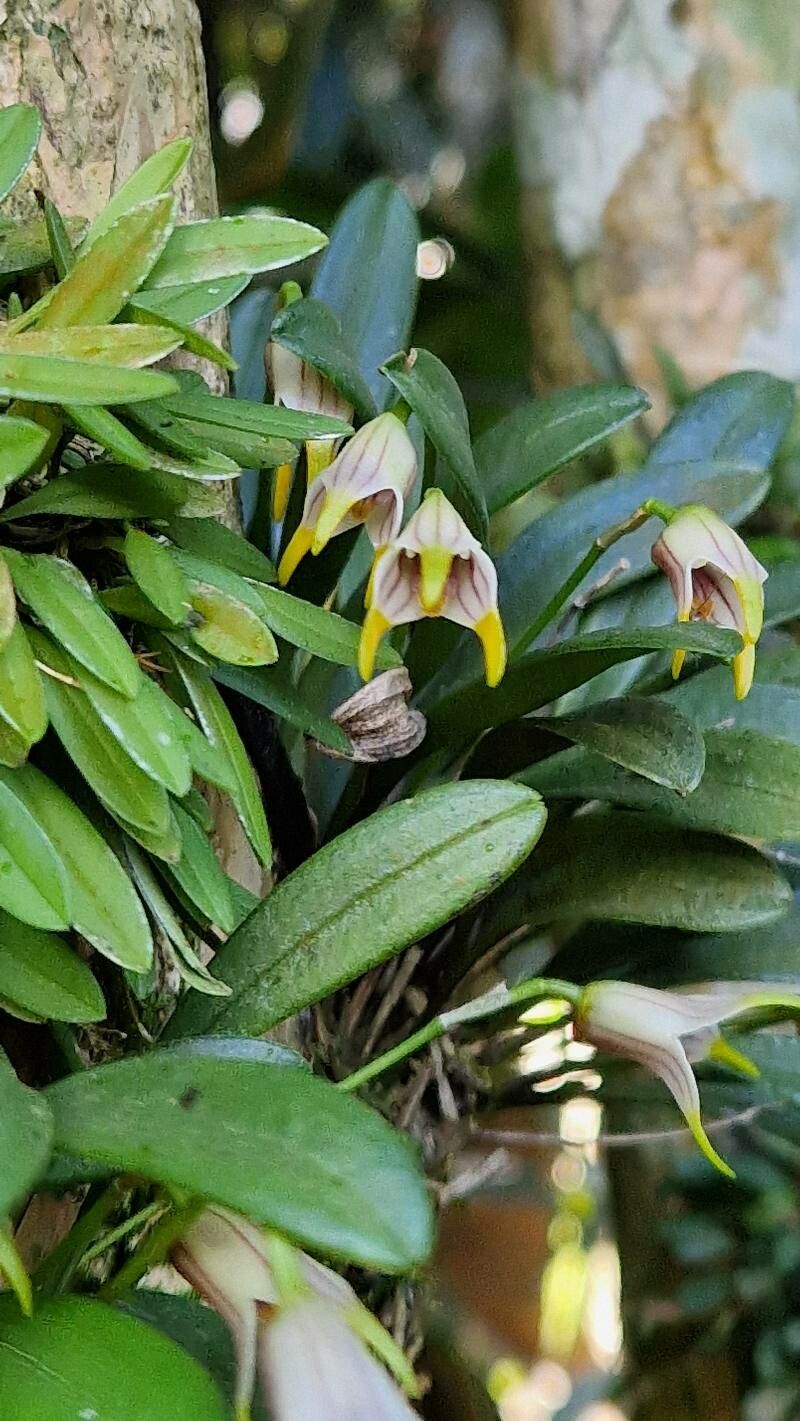
Unveiling the Secrets of Masdevallia tubuliflora Propagation: A Guide for Stunning Success
The Masdevallia tubuliflora, with its intriguing tubular blooms and vibrant colors, is a true gem in the orchid world. While caring for this unique epiphyte might seem daunting, unlocking the secrets of its propagation can be incredibly rewarding. In this guide, we’ll delve into the world of Masdevallia tubuliflora propagation, equipping you with the knowledge to multiply your collection and share the beauty of this mesmerizing orchid.
Understanding the Basics
Before diving into the techniques, let’s understand the plant itself. Originating from the high-altitude forests of the Andes, the Masdevallia tubuliflora thrives in cool, humid environments with filtered light. This epiphytic orchid naturally grows on trees, deriving nutrients and moisture from the air and rainfall.
Methods of Propagation
Two primary methods exist for propagating Masdevallia tubuliflora:
Division: This method, suitable for mature and healthy plants, involves carefully separating the orchid into sections, each containing at least three healthy growths. Spring, just as new growth emerges, is the ideal time for division. Here’s how it’s done:
- Prepare your workspace: Sanitize your cutting tools and gather new pots filled with a well-draining orchid mix.
- Unpot and inspect: Gently remove the orchid from its pot and inspect the rhizome (the horizontal stem connecting the growths).
- Divide strategically: Using a sterile blade, cut the rhizome, ensuring each division has healthy roots and leaves.
- Pot and care: Plant the divisions in their new pots, water lightly, and provide them with the ideal growing conditions.
- Seed Germination: This method, while more challenging and time-consuming, offers a rewarding experience for the dedicated enthusiast. It requires sterile conditions and specialised knowledge but allows for the creation of new and unique hybrids.
- Obtaining seeds: You can purchase Masdevallia tubuliflora seeds or, with proper pollination techniques, collect them from your own plants.
- Sterilization: Thoroughly sterilize all equipment and prepare a nutrient-rich agar medium in sterile containers.
- Sowing: Gently sprinkle the tiny seeds onto the agar surface, ensuring they are evenly distributed.
- Growth chamber: Place the containers in a controlled environment with appropriate humidity, temperature, and light specifically designed for orchid seed germination.
Post-Propagation Care
Regardless of the chosen propagation method, providing the newly propagated plants with optimal growing conditions is crucial for their survival and success.
- Light: Choose a location with bright, indirect light, similar to their natural habitat under the forest canopy.
- Temperature: Aim for daytime temperatures between 65-75°F (18-24°C) and cooler nighttime temperatures around 55-60°F (13-16°C).
- Humidity: Masdevallia tubuliflora thrives in high humidity (60-80%). Consider using a humidifier, placing the pots on humidity trays, or grouping plants to increase moisture levels.
- Watering: Water the orchid regularly, allowing the potting mix to approach dryness between watering sessions. Avoid overwatering, which can lead to root rot.
- Fertilizer: Use a balanced, diluted orchid fertilizer every two weeks during the growing season to provide essential nutrients.
Patience is Key
Propagating Masdevallia tubuliflora requires patience and dedication. While divisions may bloom within a year, seedlings can take several years to reach maturity. However, the reward of seeing your propagated plants thrive and eventually bloom is unparalleled.
By following these guidelines, embracing patience, and nurturing your newly propagated Masdevallia tubuliflora with care, you can enjoy the satisfaction of expanding your orchid collection and witnessing the enchanting beauty of these captivating blooms for years to come.