
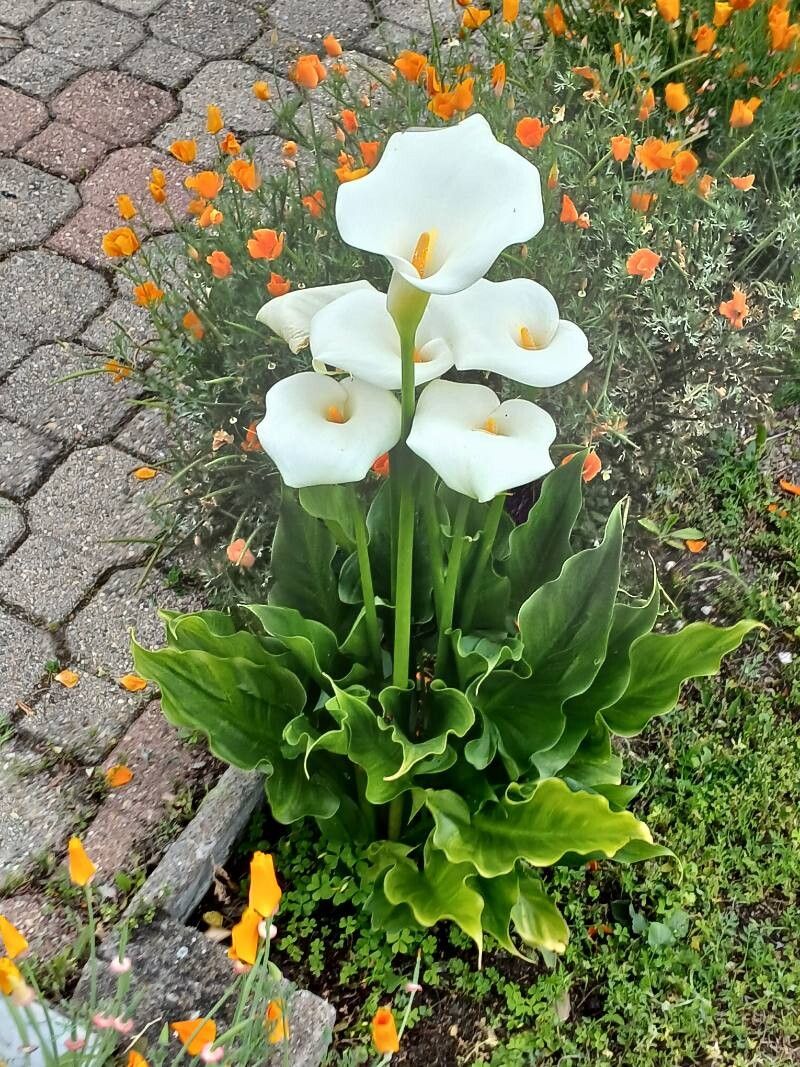
Unlocking the Secrets of Calla Lily Propagation: Multiply Your Elegance
Calla lilies (Zantedeschia aethiopica) with their graceful, trumpet-shaped blooms and lush, green foliage, bring an air of elegance and sophistication to any garden or home. But did you know that propagating these beauties is easier than you might think? Let’s delve into the world of calla lily propagation and unlock the secrets to multiplying your floral elegance.
Two Paths to Propagation:
1. Division: Calla lilies grow from rhizomes, which are underground stems that store energy and sprout new growth. Dividing these rhizomes is the most common and efficient way to propagate your plants.
- Timing is Key: The ideal time for division is late summer or early fall when the plants have finished flowering and are entering dormancy.
- Digging Deep: Carefully dig around the mother plant, ensuring you don’t damage the rhizomes. Gently lift the plant and shake off excess soil.
- Separation Anxiety (Not!): Identify healthy rhizomes with at least one eye (a small, knobby growth) each. Using a clean, sharp knife, carefully separate the rhizomes.
- Replanting for Success: Choose a location with well-drained soil and partial to full sun. Plant the divided rhizomes about 2 inches deep and 12-18 inches apart, ensuring the eye is facing upwards. Water thoroughly.
2. Seeds: A More Patient Approach
While propagating calla lilies from seeds is possible, it requires more patience and doesn’t always guarantee the same characteristics as the parent plant.
- Seed Collection: Allow the flower to fade naturally and form a seed pod. Once the pod dries and turns brown, collect the seeds.
- Sowing the Seeds: Start seeds indoors 6-8 weeks before the last expected frost. Sow them in a seed-starting mix, lightly covering them with soil.
- Nurturing the Seedlings: Keep the soil consistently moist and provide bright, indirect light. Once the seedlings have developed a couple of sets of true leaves, they can be transplanted outdoors after the last frost.
Caring for Your New Propagations:
Whether you choose division or seed propagation, providing the right care is crucial for healthy growth. Water your new plants regularly, especially during the first year, and fertilize them with a balanced fertilizer every 4-6 weeks during the growing season.
Troubleshooting Tips:
- Yellowing Leaves: Often indicates overwatering. Ensure your soil is well-draining and allow the surface to dry slightly between waterings.
- Brown Leaf Tips: Could signify underwatering or low humidity. Increase watering frequency or mist the leaves regularly.
- Pests: Keep an eye out for common pests like aphids and spider mites. Use insecticidal soap or neem oil for treatment.
Propagating your own calla lilies is a rewarding experience that allows you to expand your garden, share the beauty with others, and ensure the longevity of these magnificent plants. So, don’t be shy, grab your gardening gloves, and let the multiplication of elegance begin!