
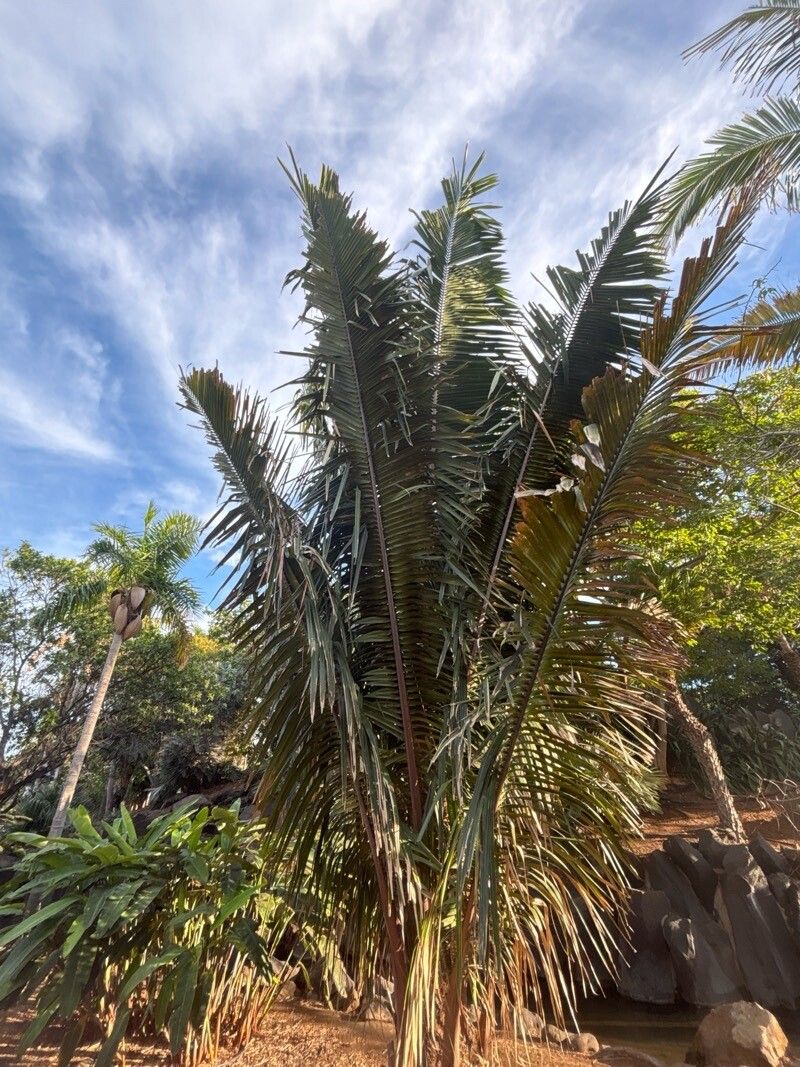
Cracking the Code: How to Propagate the Majestic Attalea colenda Palm
The Attalea colenda, also known as the “Seje” or “Palma Real,” is a majestic palm native to Central and South America. Towering over the landscape, its feathery fronds and vibrant fruit clusters make it a truly breathtaking sight. If you’re lucky enough to live in a suitable climate or have a spacious greenhouse, you might be dreaming of cultivating your own Attalea colenda. But how do you propagate these giants? Let’s dive into the world of Seje palm propagation.
The Seed of the Matter: Germinating Attalea colenda
The most common and reliable method for propagating Attalea colenda is through seeds. Here’s a step-by-step guide to maximize your chances of success:
- Source Fresh, Viable Seeds: Obtain seeds from a reputable supplier specializing in palm species. Fresh seeds are crucial, as viability decreases significantly over time.
- Prepare for Patience: Attalea colenda seeds are notoriously slow to germinate, often taking several months to even a year. Don’t lose hope if you don’t see immediate results.
- Optimize Germination Conditions:
- Soaking: Soak the seeds in lukewarm water for 24-48 hours to soften the outer shell and encourage water absorption.
- Warmth is Key: Maintain a consistent temperature of around 80-85°F (27-29°C) using a seedling heat mat or a warm, bright location.
- Moisture Matters: Plant the seeds in a well-draining potting mix that retains moisture without becoming waterlogged. A mix of peat moss, perlite, and vermiculite works well.
- Individual Pots: Plant each seed individually in small pots, burying it about an inch deep. This allows you to monitor progress and prevents root disturbance during transplanting.
- Patience is a Virtue: Maintain consistent moisture and warmth, checking the seeds periodically for signs of germination.
Beyond Seeds: Alternative Propagation Methods
While seed propagation is the most prevalent method for Attalea colenda, other techniques exist:
- Offsets (Rare): In rare instances, mature Seje palms might produce offshoots or “pups” at the base. These can be carefully separated from the parent plant and potted individually. However, offset production is uncommon and not a reliable propagation method.
- Tissue Culture (Specialized): This method involves laboratory propagation from plant tissues and is typically used by commercial growers or research institutions.
Caring for Your Seje Seedlings
Once your Attalea colenda seeds sprout, remember these care tips:
- Gradual Acclimation: Gradually acclimate seedlings to outdoor conditions once they have a few sets of true leaves.
- Bright, Indirect Sunlight: Seje palms thrive in bright, indirect sunlight. Avoid exposing young seedlings to direct sunlight, as it can scorch their delicate leaves.
- Well-Draining Soil and Regular Watering: Maintain a consistently moist (but not soggy) environment.
- Fertilize Regularly: Use a balanced, slow-release fertilizer specifically formulated for palms during the growing season.
A Rewarding, Long-Term Endeavor
Propagating Attalea colenda requires patience, dedication, and a touch of green-thumb magic. But the reward of nurturing these magnificent palms from seed to towering giants is truly unmatched. As you witness the slow but steady growth, you’ll not only have expanded your gardening skills but also contributed to the preservation of this remarkable species.