
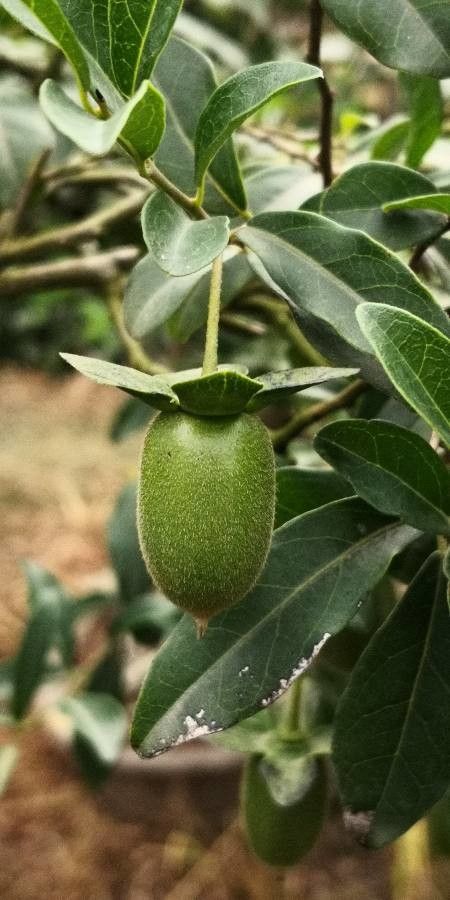
Unlocking the Secrets of Diospyros Cathayensis Propagation: A Comprehensive Guide
The Diospyros cathayensis, more commonly known as the Chinese Persimmon or the May Persimmon, is a stunning tree native to East Asia. Beyond its ornamental beauty, which boasts glossy green leaves and attractive dark bark, it bears delicious, vibrant orange-red fruits that ripen in early summer. If you’re captivated by this unique fruit tree and eager to welcome it into your garden, understanding its propagation is key. This guide delves into the intricacies of propagating Diospyros cathayensis, empowering you to successfully grow this remarkable species.
Method 1: Seed Propagation – A Test of Patience
Propagating Diospyros cathayensis from seed is a rewarding but lengthy process, often requiring several years before you see fruit. Here’s a step-by-step approach:
- Seed Extraction and Preparation: Harvest fully ripe fruit in late spring or early summer. Extract the seeds, ensuring you remove all the fruit pulp to prevent mold growth.
- Stratification: Chinese Persimmon seeds need a period of cold stratification to break their dormancy. Mix the seeds with moist sand or vermiculite and store them in a sealed bag in your refrigerator for 2-3 months.
- Sowing: Sow the stratified seeds about an inch deep in a well-draining seed starting mix. Ensure the pot has drainage holes.
- Watering and Light: Keep the soil consistently moist but not waterlogged. Place the pot in a warm, bright location, avoiding direct sunlight.
- Germination: Germination can be slow and erratic, potentially taking a few weeks to several months.
- Transplanting: Once the seedlings have developed a few sets of true leaves and are strong enough to handle, transplant them into individual pots.
Method 2: Cuttings – Accelerating the Journey to Fruit
Propagating Diospyros cathayensis from cuttings offers a faster route to fruit production and ensures the offspring retains the parent plant’s characteristics. Here’s how:
- Timing is Key: Take cuttings in early summer from healthy, actively growing branches.
- Preparing the Cuttings: Select semi-hardwood cuttings that are about 4-6 inches long. Remove the leaves from the lower half of the cutting.
- Encouraging Root Development: Dip the cut end of the cutting in rooting hormone to stimulate root growth.
- Potting the Cuttings: Plant the cuttings in a well-draining potting mix specifically formulated for cuttings.
- Creating a Humid Environment: Cover the pot with a clear plastic bag or use a humidity dome to maintain high humidity levels, crucial for rooting success.
- Monitoring and Care: Place the cuttings in a warm, bright location, avoiding direct sunlight. Keep the soil consistently moist.
- Transplanting: After several weeks, gently tug on the cuttings to check for root development. Once rooted, carefully transplant them into individual pots.
Cultivating Success: General Care for Diospyros Cathayensis
Whether you choose seed propagation or cuttings, providing optimal growing conditions is crucial for your Diospyros cathayensis to flourish.
- Sunlight: Plant your Chinese Persimmon in a location that receives at least 6 hours of direct sunlight per day.
- Soil: Well-draining, slightly acidic to neutral soil is ideal.
- Watering: Water regularly, especially during dry periods, but avoid overwatering.
- Fertilizing: Feed your tree in spring with a balanced fertilizer.
Embrace the Journey
Propagating Diospyros cathayensis can be an enriching experience, requiring patience and dedication. Regardless of your chosen method, the rewards of cultivating this exquisite tree and savoring its unique fruit are well worth the effort.