
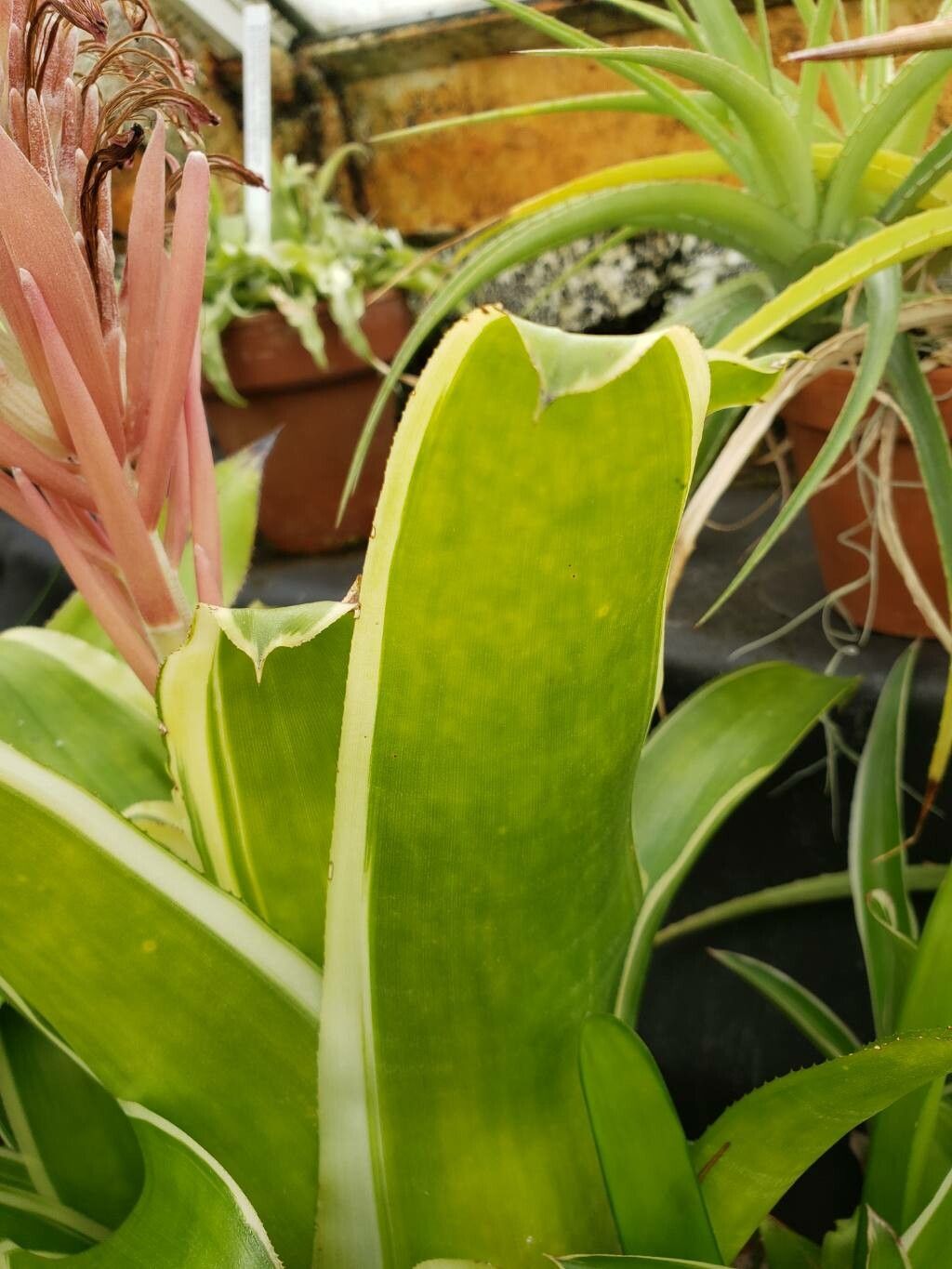
Unveiling the Secrets of Billbergia Pyramidalis Propagation: Grow a Flaming Torch Brigade!
The Billbergia pyramidalis, with its vibrant scarlet blooms resembling a fiery torch, is a sight to behold. This epiphytic bromeliad, native to South America, is relatively easy to care for and even easier to propagate, making it an ideal choice for both seasoned plant parents and enthusiastic beginners. If you’re yearning to multiply your Billbergia beauty, read on to discover the secrets of successful propagation!
Two Roads to Bromeliad Bliss: Pups and Seeds
Billbergia pyramidalis offers two main avenues for propagation:
Pupping: The Offspring Approach
This is the most common and straightforward method. After flowering, your Billbergia will start producing “pups” – baby plants that emerge from the base of the mother plant. These pups are clones of the parent, ensuring you get an identical fiery torch!- When to Divide: Wait until the pups are at least one-third the size of the mother plant, ideally with a few roots of their own. This usually takes a couple of months.
- The Separation Process: Gently remove the mother plant from its pot. Using a clean, sharp knife or pair of scissors, carefully separate the pups, ensuring each one has a good amount of roots attached.
- Potting the Pups: Plant the pups in well-draining soil specifically designed for bromeliads or orchids. A mix of peat moss, perlite, and bark chips works well. Water thoroughly and place in a bright spot, but out of direct sunlight.
Seed Propagation: Embracing the Element of Surprise
While less common, propagating Billbergia pyramidalis from seed can be a rewarding experience, offering the potential for unique variations in the offspring.- Obtaining Seeds: You can collect seeds from a mature plant after flowering, or purchase them from reputable suppliers.
- Sowing the Seeds: Use a seed starting mix or a similar well-draining medium. Sprinkle the seeds on the surface and lightly press them in, but don’t bury them.
- Creating a Humid Environment: Cover the seed tray with plastic wrap or use a humidity dome to create a warm, moist environment. Place it in a bright location, out of direct sunlight.
- Patience is Key: Be patient! Seed germination can take several weeks to a couple of months. Once the seedlings are large enough to handle, transplant them into individual pots using the same soil mixture recommended for pups.
Nurturing Your New Billbergia Generation
Regardless of your chosen propagation method, your new Billbergia pyramidalis plants will thrive in bright, indirect light and moderate humidity. Water when the soil is almost dry, allowing excess water to drain away. Avoid overwatering, as this can lead to root rot.
With a little care and attention, your propagated Billbergia pyramidalis will reward you with their signature fiery blooms, multiplying the beauty and vibrancy in your indoor jungle! So, why not embark on this rewarding journey and share the joy of these stunning plants with friends and family?