
Sowing the Seeds of Success: A Simple Guide to Growing Rye (Secale Cereale)
Rye (Secale cereale), with its graceful swaying stalks and distinctive bluish-green hue, isn’t just a picturesque element of the landscape. This hardy cereal grain boasts a rich history as both a food source and cover crop, and its resilience makes it a fantastic option for beginner and experienced gardeners alike.
Ready to cultivate your own patch of this versatile grain? Let’s delve into the essentials of rye propagation:
1. Timing is Everything: Choosing the Right Season
Rye thrives in cooler temperatures and can be sown in both spring and fall.
- Fall Planting (Ideal): Sowing in the fall, approximately 6-8 weeks before the first frost, allows rye to establish its roots before winter. This results in a stronger plant come spring, leading to earlier harvests and better weed suppression.
- Spring Planting: In colder climates with extended winters, spring planting is also possible. Sow seeds as soon as the ground can be worked, typically 2-3 weeks before the last frost.
2. Location, Location, Location: Selecting the Perfect Spot
Rye is adaptable but prefers:
- Full Sun: While it can tolerate some shade, aim for at least 6 hours of direct sunlight for optimal growth.
- Well-Drained Soil: Rye isn’t picky about soil type but struggles in overly wet conditions. Amend heavy clay soils with compost or sand to improve drainage.
- Slightly Acidic pH: While rye tolerates a range, a slightly acidic soil pH of 6.0 to 6.5 is ideal.
3. Sowing the Seeds: Simple Steps for Success
- Preparing the Bed: Clear the area of weeds and debris. Loosen the soil to a depth of 6-8 inches and rake it smooth.
- Sowing Depth: Plant rye seeds approximately 1-2 inches deep and space them about 1-2 inches apart. If sowing in rows, leave 6-8 inches between each row.
- Watering: Water the area thoroughly after planting, ensuring the soil is moist but not waterlogged. Continue to water regularly until seedlings are established.
4. Rye’s Growth Cycle: From Seed to Harvest
- Germination: Seeds typically germinate within 7-14 days.
- Vegetative Growth: Plants grow rapidly in spring, producing lush foliage.
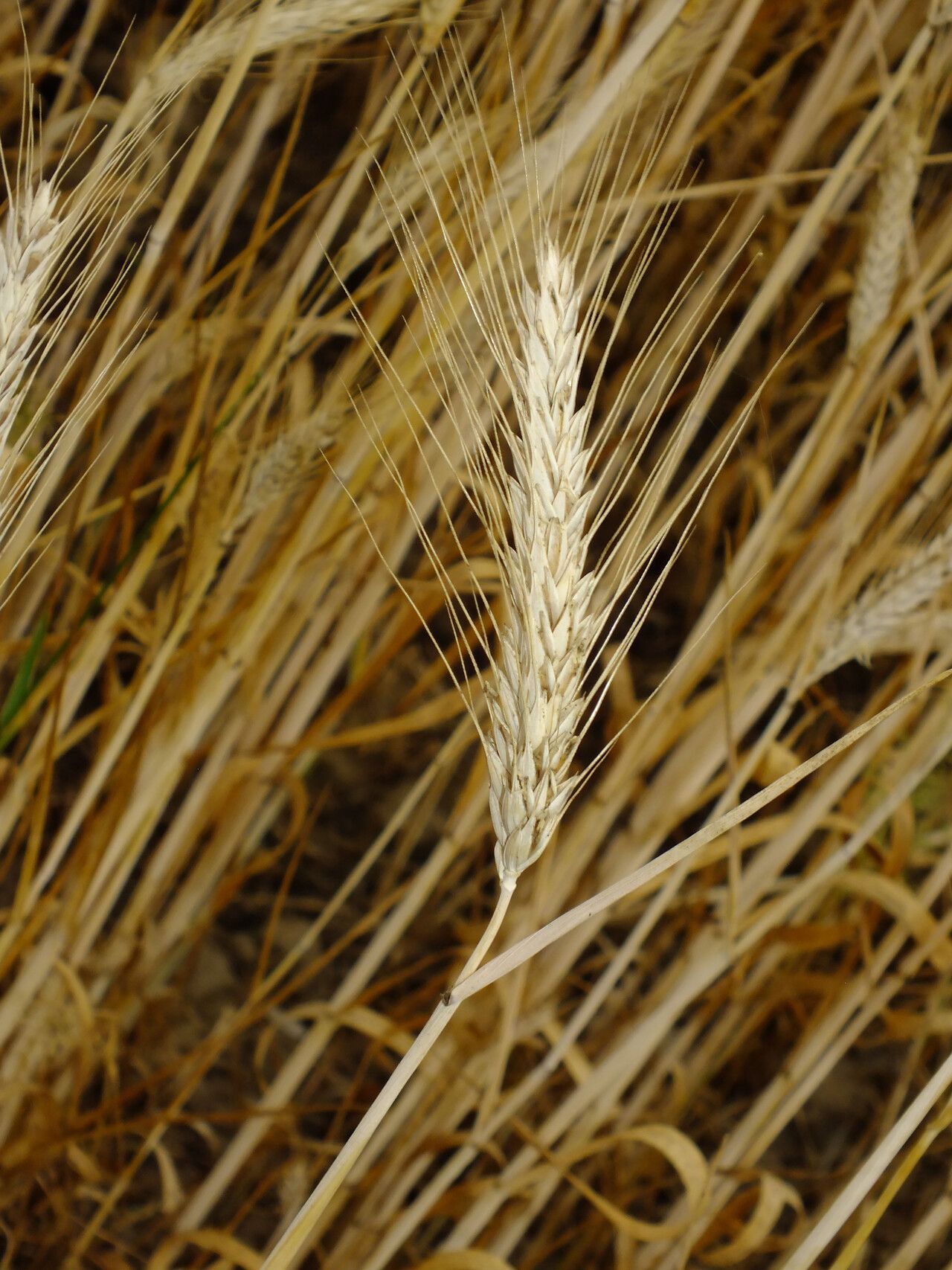
- Heading: Several weeks before maturity, rye will “head,” sending up tall stalks containing the grain.
- Harvest: Grain is ready for harvest when seed heads turn golden brown and seeds feel hard.
5. Beyond Food: The Multifaceted Benefits of Rye
Beyond its nutritious grain, rye offers several advantages:
- Cover Crop Champion: Planted in the fall, rye acts as a living mulch, suppressing weeds, preventing erosion, and adding valuable organic matter to the soil.
- Nitrogen Fixer: As a member of the legume family, rye can convert atmospheric nitrogen into a usable form for plants, reducing the need for synthetic fertilizers.
- Wildlife Habitat: Rye provides valuable food and cover for birds and small mammals.
Conclusion: Embrace the Rye-vability
Whether you’re a seasoned gardener or just starting out, propagating rye is a rewarding endeavor. Its resilience, versatility, and multitude of benefits make it an excellent addition to any garden. So why not sow the seeds of success and enjoy the bounty of this remarkable grain?