
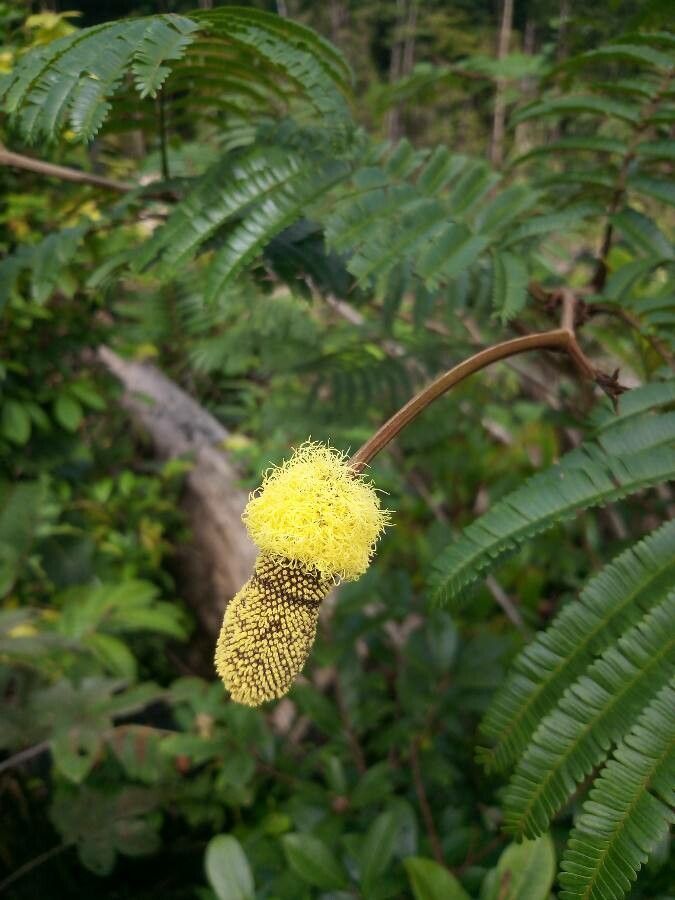
Unlocking the Secrets of Parkia nitida: A Guide to Propagation
Parkia nitida, also known as the Neem Tree Bean or Tree Bean, is a remarkable tropical legume cherished for its many uses. From its edible beans and flavorful seeds to its medicinal properties and ecological importance, this nitrogen-fixing tree deserves a place in more tropical gardens and agroforestry systems. However, propagating Parkia nitida can seem like a mystery. This guide aims to demystify the process and equip you with the knowledge to successfully grow this fascinating tree.
The Seed of Success: Propagating Parkia nitida from Seed
Seed propagation is the most common and reliable method for growing Parkia nitida. Here’s how to do it successfully:
Source Fresh Seeds: The fresher the seeds, the higher the chances of germination. Look for mature pods that have naturally fallen from the tree. Avoid damaged or diseased pods.
Overcome Seed Dormancy: Parkia nitida seeds have a hard seed coat that contributes to dormancy. To improve germination rates, scarification is crucial. You can achieve this by:
- Mechanical Scarification: Gently nick or file a small section of the seed coat, being careful not to damage the embryo inside.
- Hot Water Treatment: Soak the seeds in hot (not boiling) water for 24 hours. This softens the seed coat, making it easier for the embryo to break through.
Prepare the Seedling Medium: A well-draining potting mix is essential. A mixture of sand, loam, and compost in equal parts works well.
Sow the Seeds: Sow the seeds about 1-2 cm deep in the prepared medium and water thoroughly.
- Patience is Key: Germination can take anywhere from a few weeks to several months. Keep the soil consistently moist, and provide a warm, humid environment for optimal germination.
Beyond Seeds: Exploring Vegetative Propagation
While seed propagation is the most prevalent method, vegetative propagation offers an alternative for Parkia nitida:
Cuttings: While less common, propagating from cuttings is possible. Select healthy, semi-hardwood cuttings from young branches during the active growing season. Treat the cut ends with rooting hormone to increase the chance of success.
- Grafting: Grafting onto established rootstock of compatible species is another possibility, but information on this method for Parkia nitida is limited.
Nurturing Your Parkia nitida: Essential Care Tips
Sunlight: Parkia nitida thrives in full sun to partial shade.
Soil: This adaptable tree prefers well-drained soil, but it can tolerate a range of soil types.
Watering: Water regularly, especially during the first few years of growth. Once established, the tree becomes relatively drought tolerant.
Fertilization: While Parkia nitida is a nitrogen-fixing tree, providing additional nutrients, especially in poor soil, can be beneficial.
- Pests and Diseases: Parkia nitida is generally resistant to pests and diseases. However, monitor for common garden pests and treat accordingly.
Reaping the Rewards:
With patience and care, you can successfully propagate and grow Parkia nitida. Witnessing the tree flourish, bearing its nutritious beans and contributing to the ecosystem, is a truly rewarding experience. As you embark on your Parkia nitida propagation journey, remember that every step brings you closer to cultivating a tree that offers both ecological and edible bounty.