
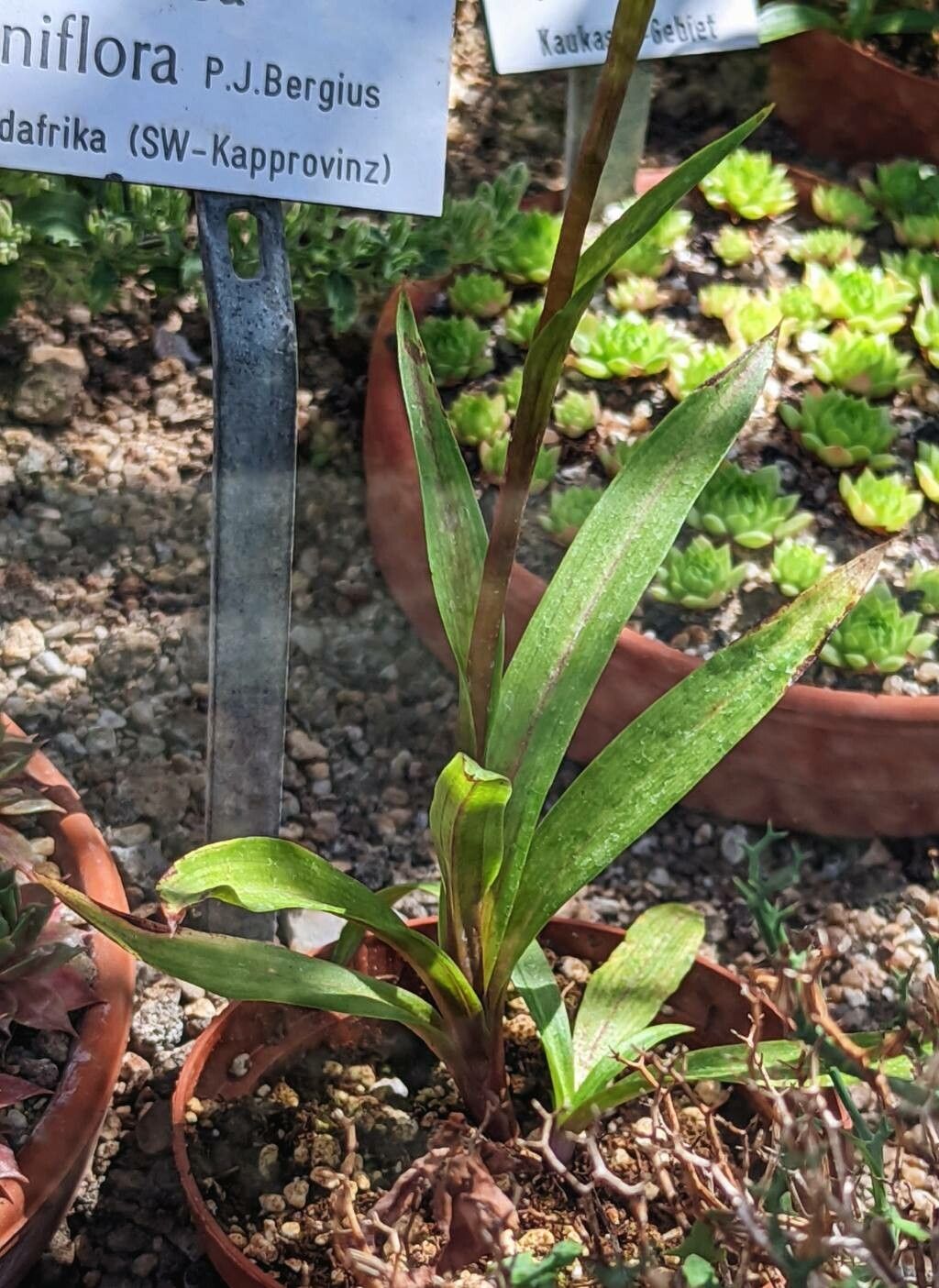
Unlocking the Secrets of the Pride of Table Mountain: Disa uniflora Propagation
The Disa uniflora, lovingly called the “Pride of Table Mountain”, is a sight to behold. This stunning orchid species, with its vibrant red, helmet-shaped blooms, captivates all who encounter it. But cultivating this regal flower is not for the faint of heart. Propagating Disa uniflora presents a unique challenge even for seasoned orchid enthusiasts, but with knowledge and dedication, you too can welcome this South African gem into your home.
Understanding the Disa Uniflora:
Hailing from the misty slopes of Table Mountain in South Africa, Disa uniflora thrives in a very specific environment. These orchids prefer cool, humid conditions with plenty of fresh, moving air. They demand excellent drainage and are sensitive to water quality, preferring slightly acidic water. Understanding these native conditions is key to successful propagation.
Methods of Propagation:
While growing from seed is possible, it requires specialized lab conditions and is best left to expert growers. For the home enthusiast, two main propagation techniques are available:
Division: This is the most common method. Once your Disa uniflora has formed a substantial clump with multiple growths, you can carefully divide it. Aim for divisions with at least 3-4 healthy growths each. Use a sterile, sharp tool and repot the divisions into a well-draining orchid mix, ensuring the crown of the plant sits slightly above the soil line.
- Backbulb Propagation: Disa uniflora produces backbulbs, older pseudobulbs that have lost their leaves but still possess growth potential. You can remove these backbulbs during repotting and place them in a humid environment like a propagation box. Keep the potting medium consistently moist and provide bright, indirect light. With patience, new growths should emerge from these backbulbs.
Essential Tips for Success:
- Potting Medium: Use a specialized orchid mix formulated for terrestrial orchids. A blend of bark chips, perlite, and sphagnum moss works well. Ensure excellent drainage to prevent root rot.
- Watering: Maintain consistent moisture, but avoid overwatering. Disa uniflora prefer slightly dry periods between waterings. Use rainwater or distilled water to replicate their natural preference for slightly acidic water.
- Light: Provide bright, indirect light. Avoid direct sunlight, which can scorch their leaves.
- Humidity: These orchids thrive in high humidity environments (60-70%). Regular misting, using a humidifier, or placing the pot on a humidity tray can help.
- Temperature: Mimic their native cool climate with daytime temperatures around 70-75°F (21-24°C) and nighttime temperatures around 50-55°F (10-13°C).
Patience is Key:
Propagating Disa uniflora is a rewarding but lengthy process. It requires patience and persistence, as new plants may take several months to establish themselves. However, seeing the first signs of new growth is an exhilarating experience that makes the effort worthwhile.
By understanding the unique requirements of these extraordinary orchids and applying the right techniques, you can increase your chances of successfully propagating Disa uniflora and enjoy the magnificence of the “Pride of Table Mountain” in your own home.