
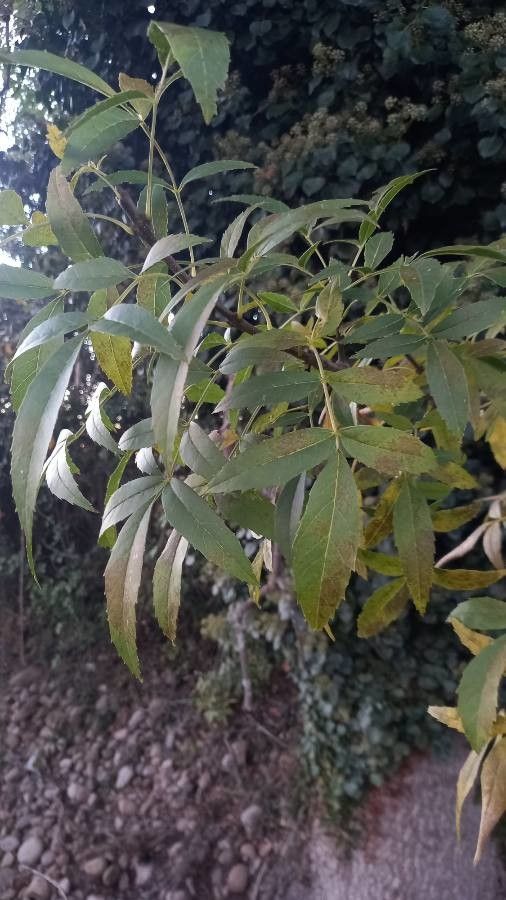
Growing Graceful Greens: A Guide to Propagating Narrow-Leaved Ash Trees (Fraxinus angustifolia)
The Narrow-Leaved Ash, scientifically known as Fraxinus angustifolia, is an elegant tree prized for its feathery foliage, vibrant fall colors, and graceful silhouette. Native to Europe, Northwest Africa, and Western Asia, this deciduous beauty can be a stunning addition to parks and large gardens. While obtaining a sapling from a nursery is always an option, propagating your own Narrow-Leaved Ash can be a rewarding and cost-effective experience. Let’s explore the two most effective methods:
1. Seed Propagation: A Journey of Patience and Reward
Propagating Narrow-Leaved Ash from seed requires a bit more time and effort, but the process can be incredibly fulfilling. Here’s a step-by-step guide:
- Seed Collection and Preparation: Collect mature seeds, called samaras, from the tree in late autumn when they turn brown. Remove any wings or debris and then place the seeds in a mesh bag filled with moist sand. This stratification process mimics their natural winter dormancy and encourages germination. Store the bag in a cool, dark place for 60-90 days.
- Sowing the Seeds: In early spring, prepare a seed tray or small pots with well-draining potting mix. Sow the seeds about 1 inch deep and lightly water them.
- Nurturing Growth: Place the seed trays or pots in a warm, sunny location, maintaining consistent moisture. Germination typically takes several weeks. Once the seedlings emerge and have developed a few sets of true leaves, you can transplant them into individual pots.
2. Semi-Hardwood Cuttings: Cloning Your Favorite Ash
For a faster propagation method, semi-hardwood cuttings provide an excellent alternative, allowing you to create clones of an existing desirable tree.
- Timing is Key: The optimal time for taking semi-hardwood cuttings is in mid to late summer when the new growth has begun to firm up but still retains some flexibility.
- Taking the Cutting: Using sharp, sterilized pruning shears, select healthy shoots from the current year’s growth. Each cutting should be 4-6 inches long with at least two nodes (small bumps where leaves emerge).
- Preparing for Planting: Remove the leaves from the lower third of the cutting. Dip the cut end in rooting hormone to stimulate root development.
- Planting and Care: Plant the cuttings in a well-draining rooting medium, such as a mix of perlite and peat moss, ensuring at least one node is buried. Water them thoroughly and cover the cuttings with a clear plastic bag or use a propagator to maintain humidity. Place them in a well-lit area, but out of direct sunlight.
- Transplanting: Roots should develop in 6-8 weeks. Once established, you can transplant the rooted cuttings into individual pots and continue to grow them on until they are large enough to plant outdoors.
A Few Final Tips for Success:
- Patience is key: Propagating trees is a rewarding but gradual process. Be patient and don’t be discouraged if it takes time for your seeds to germinate or your cuttings to root.
- Provide Optimal Conditions: Ensure your seedlings and cuttings receive adequate water, sunlight, and well-draining soil.
- Pest and Disease Management: Regularly inspect your young trees for any signs of pests or diseases and take appropriate measures to protect them.
By following these steps, you can successfully propagate Fraxinus angustifolia and enjoy the beauty of these majestic trees in your own backyard for years to come. Remember, the satisfaction of nurturing a tree from seed or cutting is a truly special experience.