
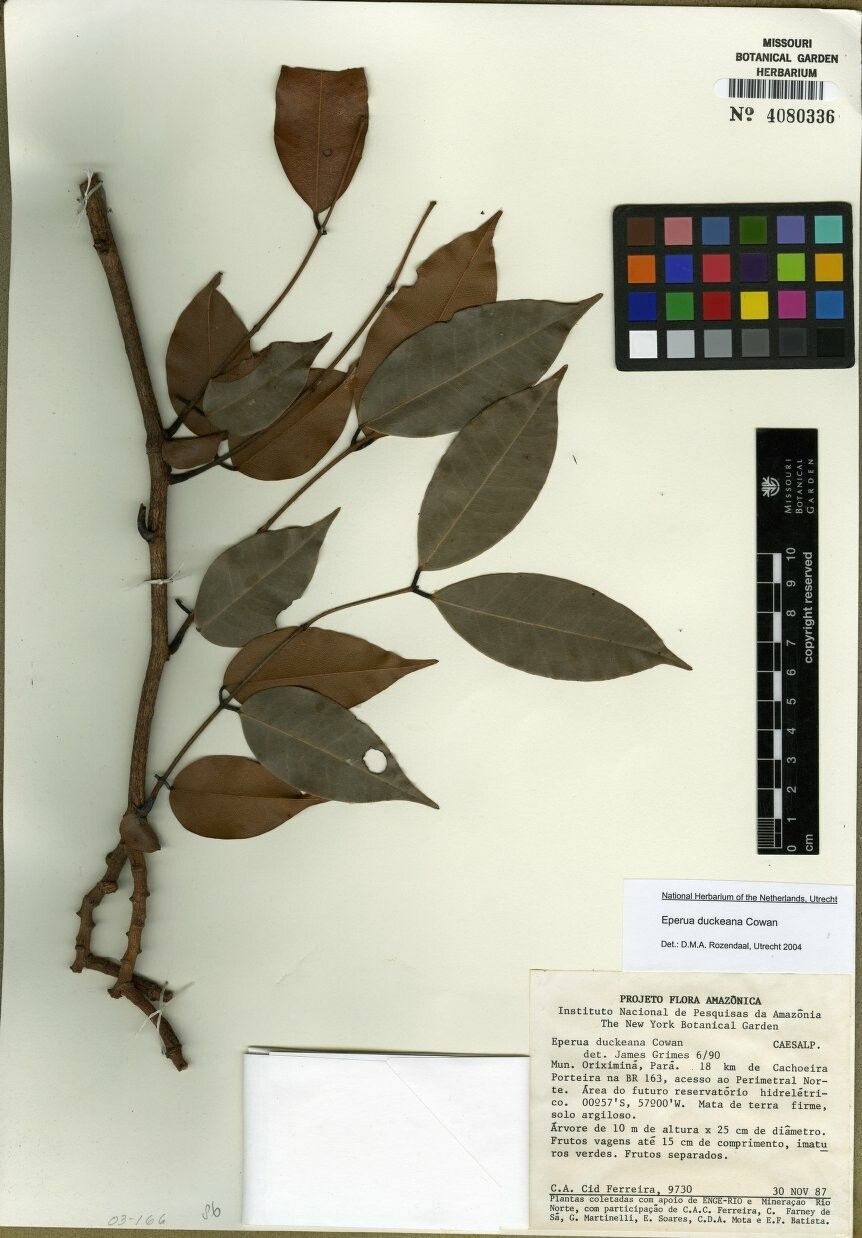
Cracking the Code: Propagating the Majestic Eperua Duckeana
The Eperua duckeana, also known as the Wallaba tree, stands tall in the Amazonian rainforest, a testament to nature’s grandeur. Its vibrant red flowers and towering presence make it a sight to behold. But have you ever wondered how this majestic giant reproduces and thrives in its natural habitat? Today, we delve into the fascinating world of Eperua duckeana propagation, unraveling the secrets to cultivating this remarkable species.
Seeds of Potential:
The Eperua duckeana primarily propagates through its seeds, enclosed within large, woody pods. These pods, when mature, explosively dehisce, launching the seeds far and wide – a remarkable dispersal strategy employed by various rainforest species.
Collecting and Preparing the Seeds:
- Timing is Key: The best time to collect the pods is shortly before they naturally split open. Look for pods that have turned brown and emit a slightly hollow sound when tapped.
- Handle with Care: The pods dehisce with considerable force, so caution is advised! Wearing gloves and eye protection is recommended during collection.
- Extraction and Preparation: Once collected, the pods can be placed in a warm, dry location to facilitate opening. Each pod contains one to three large seeds. Remove the seeds and scarify them to enhance germination rates. This can be achieved by gently nicking or sanding the seed coat, allowing for better water absorption.
Planting the Seeds:
- Well-Draining Soil: The Eperua duckeana thrives in well-drained soil. A mixture of peat moss, perlite, and vermiculite can provide the optimal balance for growth.
- Sunlight Requirements: As a rainforest tree, the Eperua duckeana prefers partial shade, especially during its early stages of growth. Choose a location that receives dappled sunlight or provides artificial shade.
- Sowing the Seeds: Plant the scarified seeds about an inch deep in the prepared soil mix and water thoroughly.
Nurturing the Seedlings:
- Consistent Moisture: Maintaining consistent moisture is crucial for successful germination and seedling establishment. Water regularly, ensuring the soil remains damp but not waterlogged.
- Fertilization: While not strictly necessary, a balanced fertilizer can be applied every few weeks to provide a nutrient boost.
- Transplanting: Once the seedlings have developed a robust root system and are large enough to handle, they can be carefully transplanted to larger pots or directly into the ground.
Alternative Propagation Methods:
While seed propagation is the most common method for Eperua duckeana, cuttings can also be successful with proper care:
- Selecting Cuttings: Choose healthy, young stems for cuttings. These should be about 4-6 inches long and taken from actively growing branches.
- Rooting Hormone: Dipping the cut end of the stem in rooting hormone can significantly increase the chances of successful rooting.
- Planting and Care: Plant the cuttings in a well-draining rooting mix and provide consistent moisture and humidity.
Challenges and Rewards:
Propagating Eperua duckeana can be a rewarding but challenging endeavor. These trees are slow-growing and require patience and dedication. However, witnessing the transformation from a tiny seed to a majestic tree is an incredibly fulfilling experience. By understanding the specific needs and preferences of this remarkable species, we can play a role in its conservation and contribute to the preservation of biodiversity in our world.