
Unlocking the Secrets to Propagating Fluffy Spiraea: A Step-by-Step Guide
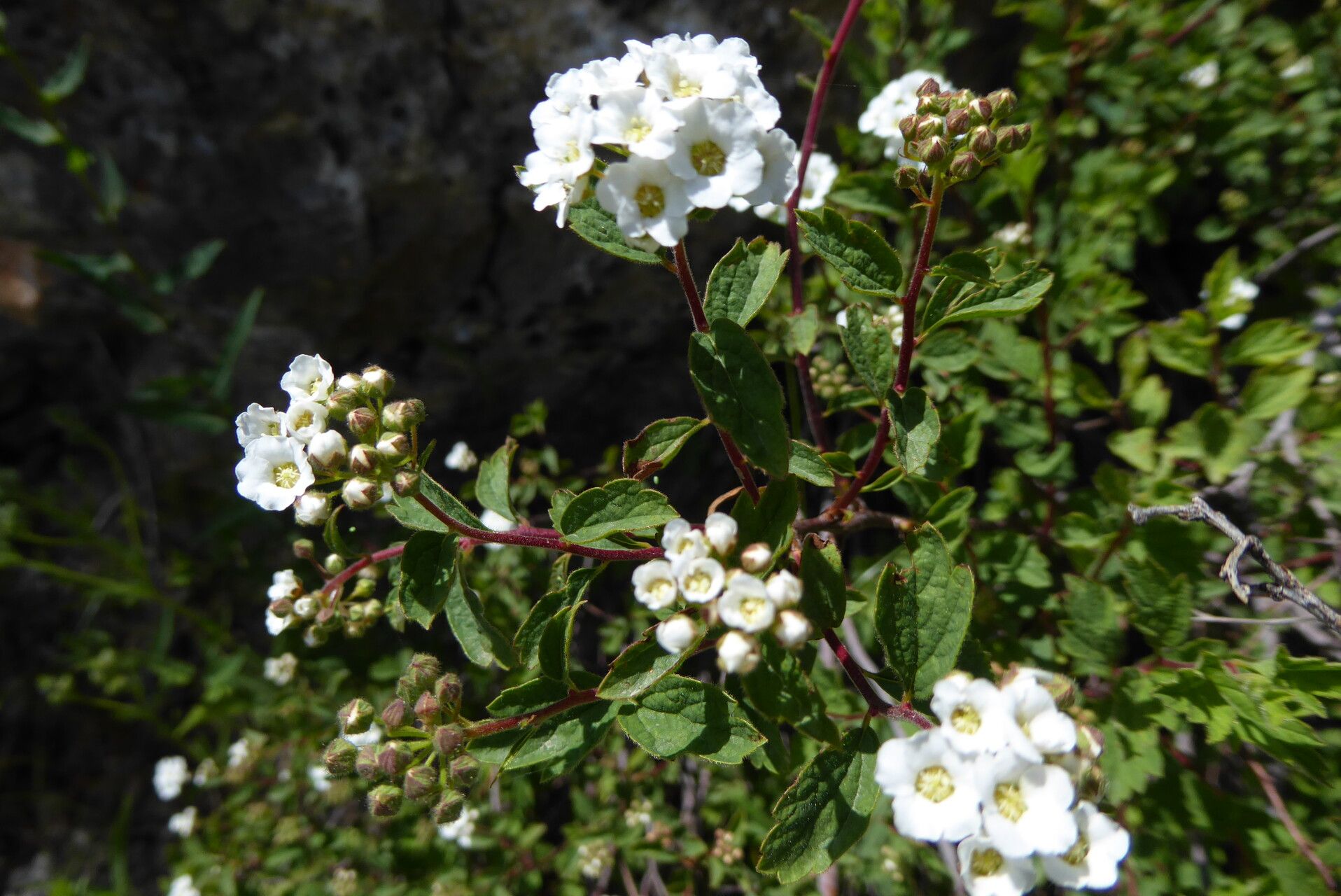
Spiraea pilosa, also known as the Hairy Spiraea, is a delightful shrub known for its graceful arching branches and fuzzy white flower clusters. If you’re looking to add a touch of delicate beauty to your garden and expand your collection, propagating your own Spiraea pilosa is a rewarding and surprisingly easy endeavor. Let’s explore two effective methods:
1. Softwood Cuttings: A Summertime Success Story
Softwood cuttings involve taking advantage of the plant’s vigorous summer growth. Here’s how to do it:
- Timing is Key: Late spring or early summer is the ideal time to take softwood cuttings. Look for new growth that is pliable but not too flimsy.
- Taking the Cutting: Using sharp, sterilized pruning shears, take cuttings that are 4-6 inches long. Make a clean cut just below a leaf node (the point where a leaf emerges from the stem). Remove the leaves from the lower third of the cutting.
- Hormone Boost (Optional): While not strictly necessary, dipping the cut end in rooting hormone powder can increase success rates.
- Planting the Cutting: Fill a small pot with a well-draining potting mix. Create a hole with a pencil and gently insert the cutting, ensuring the leaf nodes are buried.
- Creating a Humid Environment: Moisture is crucial for rooting. Cover the pot with a clear plastic bag or use a humidity dome to trap moisture. Place the pot in a bright location, out of direct sunlight.
- Patience is a Virtue: Rooting can take 4-8 weeks. Check the moisture level regularly and mist the soil if it starts to dry out. You’ll know roots have formed when you see new growth.
- Transplanting: Once the cutting has a well-developed root system, it’s ready for a larger pot or a permanent spot in your garden with well-drained soil and partial to full sun exposure.
2. Seed Propagation: A Test of Patience
Propagating Spiraea pilosa from seed is possible but requires a bit more patience and care:
- Seed Collection: Collect seed capsules in the fall after the flowers have faded. Allow the capsules to dry thoroughly before extracting the tiny seeds.
- Cold Stratification (Mimicking Nature): Spiraea seeds benefit from cold stratification, a period of cold temperatures that simulates winter and encourages germination. Store the seeds in a moist paper towel in the refrigerator for 6-8 weeks.
- Sowing the Seeds: In spring, sow the seeds in seed trays or pots filled with a seed-starting mix. Gently press the seeds into the surface but avoid burying them deeply.
- Warmth and Light: Place the seed tray in a warm, bright location. A seedling heat mat can be beneficial in maintaining consistent temperatures.
- Emergence: Germination can take several weeks or even months. Be patient and keep the soil consistently moist.
- Thinning: Once the seedlings have a few sets of true leaves, thin them out to give the strongest ones room to grow.
- Transplanting: When the seedlings are large enough to handle, transplant them into individual pots or directly into your garden.
Enjoying the Fruits of Your Labor
Propagating your own Spiraea pilosa offers a sense of accomplishment and allows you to cultivate even more of these beautiful shrubs to grace your garden. Whether you choose softwood cuttings or embrace the journey of seed propagation, you’ll be rewarded with an abundance of fluffy blooms for years to come.