
Unlocking the Secrets of Propagation: How to Grow More Picea laxa
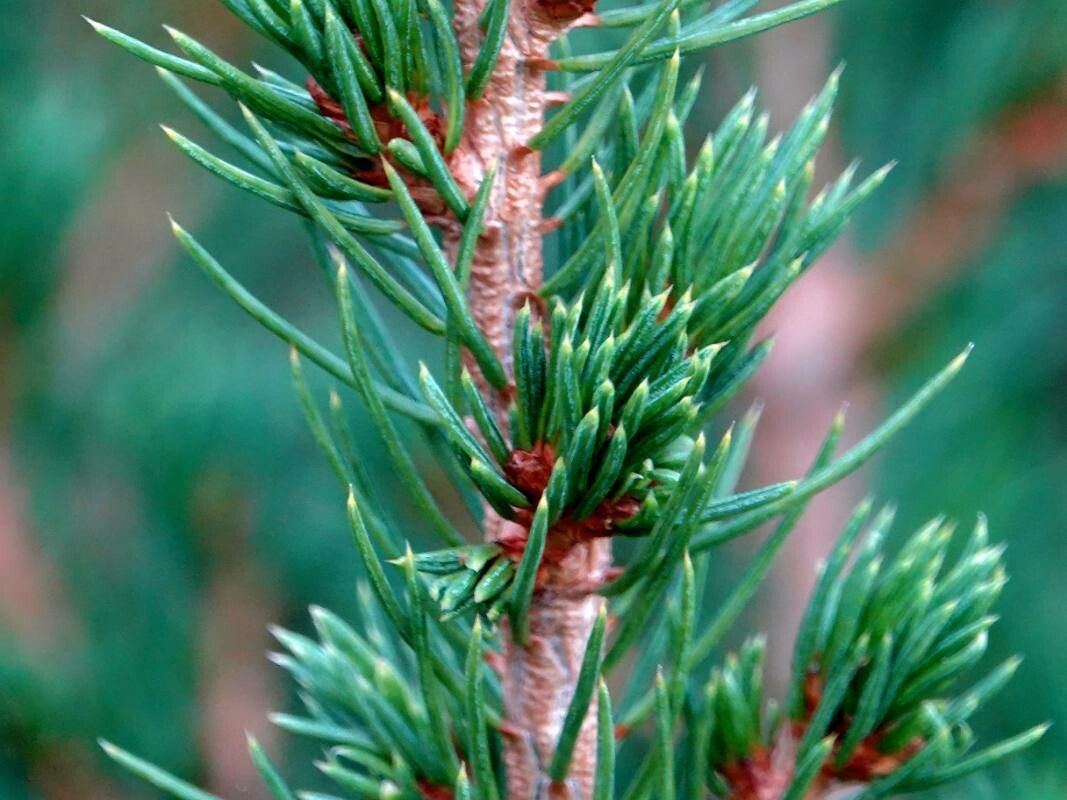
The Picea laxa, otherwise known as the drooping spruce, is a stunning evergreen conifer prized for its graceful weeping branches and striking blue-green needles. Whether you’re an experienced gardener or a curious beginner, learning to propagate this unique tree can open up a world of landscaping possibilities. So, let’s unravel the mysteries of Picea laxa propagation and get you started on your journey to growing more of these beauties!
Two Paths to Propagation: Seeds vs Cuttings
While Picea laxa can be propagated through seeds, it’s generally a more challenging route with less predictable results. Seedlings can display variations in their weeping habit and take longer to establish. For more consistent outcomes and quicker growth, propagating from cuttings is the preferred method for most gardeners.
Mastering the Art of Cuttings:
Timing is Everything: Late fall or early winter, during the dormant season, is the optimal time to take cuttings. Look for healthy, young branches that haven’t started to turn woody.
Tools of the Trade: Gather your cutting tools:
- Sharp, sterilized pruning shears or a knife
- Rooting hormone powder (containing IBA, Indole-3-butyric acid)
- Seedling starting mix or a mix of peat moss and perlite
- Small pots or trays
Taking the Plunge (Cut):
- Select a healthy branch and make a clean cut at a 45-degree angle, about 4-6 inches long.
- Remove the needles from the bottom inch or two of the cutting.
- Lightly wound the base of the cutting by scraping off a small section of bark to expose the cambium layer (this promotes root development).
Hormone Power: Dip the wounded end of the cutting in rooting hormone powder, tapping off any excess.
Planting Time:
- Fill your pots or trays with the starting mix and moisten it thoroughly.
- Create a small hole in the center of each pot and carefully insert the cutting, ensuring the bottom portion without needles is below the soil line.
- Gently firm the soil around the base of the cutting.
- Creating the Perfect Environment:
- Place your cuttings in a bright location but out of direct sunlight.
- Maintain a humid environment by covering the cuttings with a plastic dome or bag, ensuring good air circulation.
- Keep the soil consistently moist but not waterlogged.
Patience is Key (And a Few More Tips):
- Rooting can take several weeks to a few months. You’ll know the cutting has rooted when you feel resistance when gently tugging on it.
- Once rooted, gradually acclimate the cuttings to outdoor conditions before transplanting them into larger pots or your garden.
- Choose a well-drained location with partial shade to full sun for your Picea laxa.
Propagating Picea laxa from cuttings offers a rewarding experience, allowing you to expand your garden with these elegant trees and share your passion for gardening with others. With some patience and the right techniques, you’ll be well on your way to creating a flourishing collection of these graceful conifers.