
Cracking the Code: How to Propagate the Resilient Creosote Bush (Larrea divaricata)
The creosote bush (Larrea divaricata), a resident of the arid regions of the Americas, stands as a testament to nature’s resilience. This evergreen shrub, known for its distinctive aroma and remarkable drought tolerance, might seem invincible, but even these desert champions need a little help to spread their progeny. If you’ve ever wished to cultivate this fascinating species, understanding its unique propagation methods is key.
Seeds: A Challenging but Rewarding Endeavor
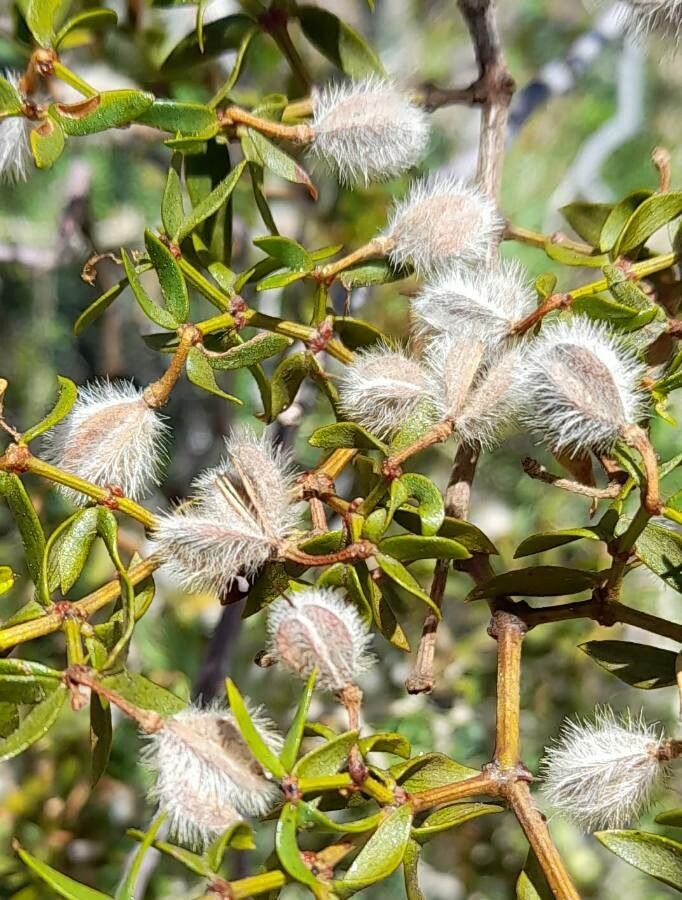
The creosote bush primarily reproduces through seeds, enclosed in small, fuzzy capsules. While seemingly straightforward, germinating these seeds presents a unique challenge.
The Hurdles:
- Dormancy: Creosote seeds possess a hard seed coat and internal dormancy mechanisms, preventing immediate germination and ensuring survival in harsh conditions.
- Germination Requirements: Breaking this dormancy requires specific environmental cues:
- Scarification: The tough seed coat needs to be abraded, mimicking natural wear and tear.
- Temperature Fluctuations: Alternating warm days and cool nights simulate the desert environment and trigger germination.
- Moisture: While drought-tolerant after establishment, initial growth requires consistent moisture.
The Process:
- Seed Collection: Collect mature seed capsules, identifiable by their dry, brown appearance.
- Scarification: Gently rub the seeds between sandpaper sheets to thin the seed coat.
- Sowing: Sow seeds in a well-draining seed-starting mix, lightly pressing them into the surface.
- Temperature and Moisture: Place the seed tray in a location with fluctuating temperatures (around 70°F during the day and 50°F at night). Keep the soil consistently moist but not waterlogged.
Germination can be erratic, taking anywhere from a few weeks to several months. Patience is your best ally in this endeavor.
Cuttings: A Faster Route to Success
For a faster and more reliable method, propagation through cuttings is preferred. This method utilizes the plant’s ability to regenerate from stem sections.
The Process:
- Timing: Take cuttings during the cooler months, ideally in spring or fall, when the plant is not experiencing heat stress.
- Selection: Choose healthy, non-flowering stems, approximately 4-6 inches long.
- Preparation: Remove the lower leaves, leaving only a few at the top.
- Hormone Treatment (Optional): Dip the cut end in a rooting hormone powder to stimulate root development.
- Planting: Plant the cuttings in a well-draining potting mix.
- Environment: Place them in a warm, bright location but out of direct sunlight. Keep the soil lightly moist.
With proper care, roots should develop in 4-6 weeks, indicating successful propagation.
A Testament to Tenacity:
Propagating the creosote bush, whether from seed or cuttings, offers a rewarding experience. While each method has challenges, your efforts contribute to the continued survival of this remarkable species, adding a touch of the desert’s enduring spirit to your own green space.