
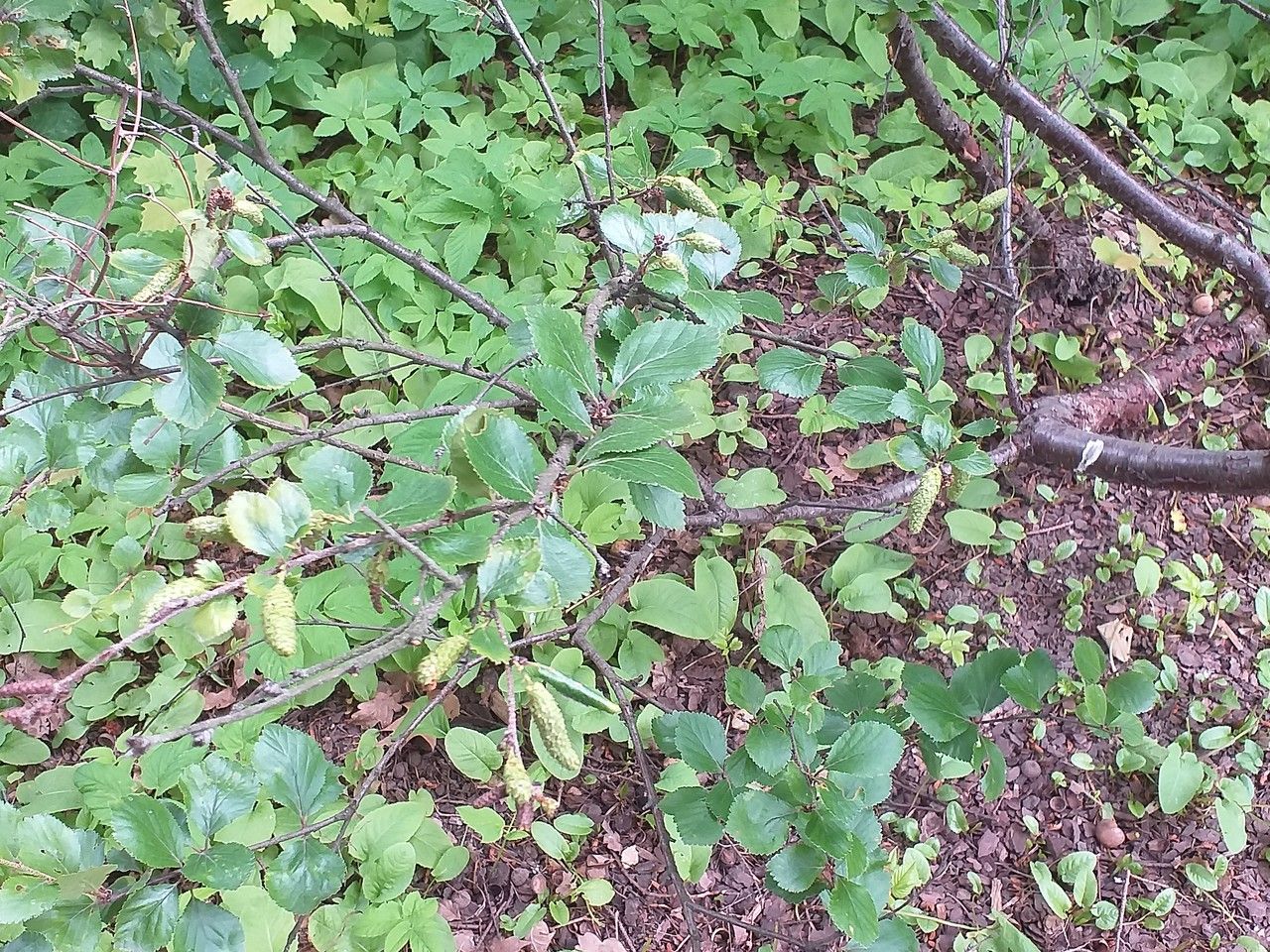
Branching Out: Mastering the Art of Betula Fruticosa Propagation
The Betula fruticosa, also known as the dwarf birch, captivates with its delicate foliage and graceful form, making it a sought-after addition to gardens with moist soils and cooler climates. If you’re looking to expand your birch collection or share this charming shrub with friends, understanding the art of propagation is key. While patience is a virtue in this endeavor, the rewards of successfully nurturing new life are well worth the effort.
Two Roads Diverge: Seed vs. Cutting Propagation
Propagating Betula fruticosa can be achieved through two primary methods: seeds and cuttings. Each approach comes with its own set of advantages and challenges:
1. Seed Propagation: Embracing the Patience Game
Propagating Betula fruticosa from seed is a journey best embarked upon by the patient gardener. While rewarding, it demands time and dedication. Here’s a step-by-step guide:
- Seed Collection: In late summer or early autumn, gather mature catkins from the birch. Allow them to dry thoroughly in a paper bag. Once dry, gently crush the catkins to release the small, winged seeds.
- Cold Stratification: Mimicking nature’s cycle, cold stratification is crucial for breaking seed dormancy. Store the seeds in a moist paper towel inside a sealed plastic bag, and place them in the refrigerator for 6-8 weeks.
- Sowing: In spring, sow the seeds in seed trays filled with a well-draining seed-starting mix. Press them lightly into the surface, ensuring they receive adequate light.
- Patience is Key: Germination can be erratic and may take several weeks or even months. Maintain consistent moisture and a temperature around 65-70°F (18-21°C).
- Transplanting: Once seedlings have developed a strong root system and several sets of true leaves, carefully transplant them into individual pots.
2. Cutting Propagation: A Quicker Path to Success
For those seeking quicker results, propagating Betula fruticosa from cuttings offers a faster route:
- Timing is Everything: The ideal time to take cuttings is in late spring or early summer when the new growth is still pliable.
- Selecting the Perfect Cut: Choose healthy, non-flowering stems that are approximately 4-6 inches (10-15 cm) long.
- Preparing the Cutting: Remove the lower leaves from the cutting, leaving only a few at the top. Make a fresh cut just below a leaf node.
- Encouraging Root Development: Dip the cut end in rooting hormone to stimulate root growth. Plant the cuttings in a pot filled with a well-draining, moist rooting medium, such as perlite or vermiculite.
- Creating a Humid Environment: Cover the pot with a clear plastic bag or use a propagation dome to maintain high humidity. Place it in a bright location but out of direct sunlight.
- Transplanting: After 6-8 weeks, gently tug on the cuttings to check for root development. Once roots have formed, transplant the cuttings into individual pots filled with well-draining soil.
Nurturing Your New Birches
Whether you choose to propagate your Betula fruticosa from seeds or cuttings, providing proper care is essential for their healthy growth:
- Watering: Maintain consistently moist but not waterlogged soil.
- Sunlight: Place your young birches in a location that receives partial shade to full sun.
- Fertilizing: Fertilize monthly with a balanced liquid fertilizer during the growing season.
Propagating your Betula fruticosa is a journey of patience and rewarding observation. Embrace the process, and soon you’ll enjoy the beauty of these dwarf birches gracing your garden for years to come.