
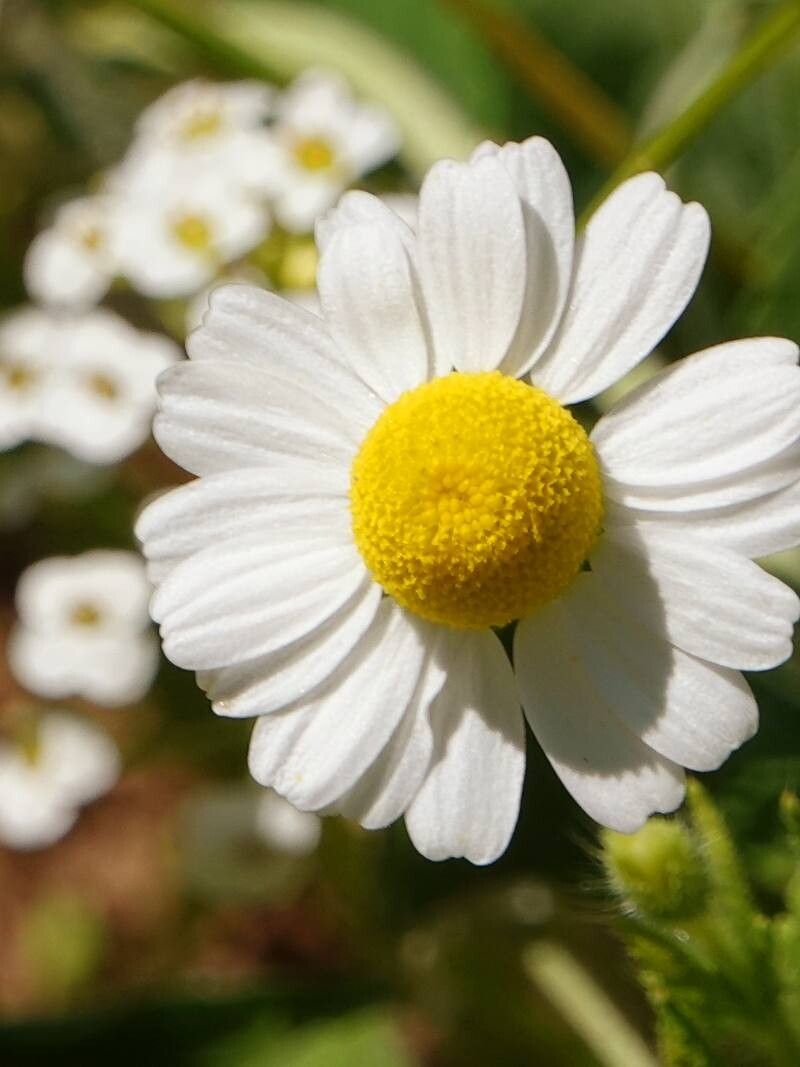
Taming the Wild Chamomile: A Guide to Propagating Anthemis arvensis
Anthemis arvensis, more commonly known as corn chamomile or mayweed, may sound like a pesky weed, but don’t let the name fool you! This charming wildflower, with its delicate daisy-like blooms and feathery foliage, can add a touch of whimsical charm to any garden. While often found gracing meadows and roadsides, cultivating this beauty at home is easier than you might think. Let’s dig into the world of propagating Anthemis arvensis and bring a touch of the wild to your backyard.
Sowing the Seeds of Success: Propagation by Seed
The most common and rewarding method for propagating Anthemis arvensis is by seed. Here’s a step-by-step guide:
1. Timing is key: For best results, sow seeds directly outdoors after the last frost in your region. Alternatively, you can start them indoors 6-8 weeks before the last frost.
2. Preparing the Seed Bed: Choose a location with full sun to partial shade and well-drained soil. Loosen the soil and remove any weeds or debris.
3. Sowing the Seeds: Scatter the seeds evenly over the prepared soil, lightly pressing them into the surface. Don’t bury them deeply, as they need light to germinate.
4. Water Gently: Use a fine mist setting on your watering can or hose to avoid dislodging the seeds. Keep the soil consistently moist but not waterlogged.
5. Thinning Out the Crowd: Once the seedlings emerge and are a few inches tall, thin them out to give them space to grow. Aim for a spacing of 6-12 inches apart.
6. Patience is a virtue: Germination typically takes 1-3 weeks, so don’t despair if you don’t see sprouts immediately.
Division: Multiplying Your Floral Bounty
Once you have an established clump of Anthemis arvensis, division is a great way to propagate new plants every few years:
1. The Right Time: Divide your plants in early spring or fall when the weather is cool and the soil is workable.
2. Digging In: Carefully dig around the plant, ensuring you capture the entire root system.
3. Divide and Conquer: Gently pull apart the root ball into smaller sections, each with a good amount of roots and shoots.
4. Replanting: Replant each division in its new location, ensuring the crown of the plant sits level with the soil surface. Water well and keep the soil consistently moist until established.
Caring for Your Chamomile Offspring:
Anthemis arvensis is relatively low maintenance, making it a great choice for beginner gardeners. Here are some tips for flourishing plants:
- Sunlight: Opt for a location that receives at least 6 hours of sunlight per day.
- Watering: Water regularly, especially during dry spells, but avoid overwatering.
- Soil: Well-drained soil is essential. Amend heavy clay soils with compost or other organic matter to improve drainage.
- Fertilizer: Not typically needed, but a light application of balanced fertilizer in spring can promote healthy growth.
Reaping the Rewards:
By propagating your own Anthemis arvensis, you’ll enjoy a continuous supply of these charming wildflowers year after year. Whether you choose to sow seeds or divide existing plants, you’ll be rewarded with a beautiful and easy-care addition to your garden. So, why wait? Start propagating today and embrace the beauty of wild chamomile!