
Taming the Velvet Grass: Propagating Holcus lanatus
Holcus lanatus, more commonly known as Yorkshire Fog or Velvet Grass, often gets a bad rap. This widespread grass, known for its soft, velvety seed heads, is often relegated to the “weed” category. However, its rapid growth and soil stabilizing properties can make it a valuable asset in the right context. If you’re interested in harnessing the power of Velvet Grass, understanding its propagation is key.
Two Paths to Propagation:
Holcus lanatus offers two primary methods of propagation:
Seed Propagation: This method is nature’s way and surprisingly simple.
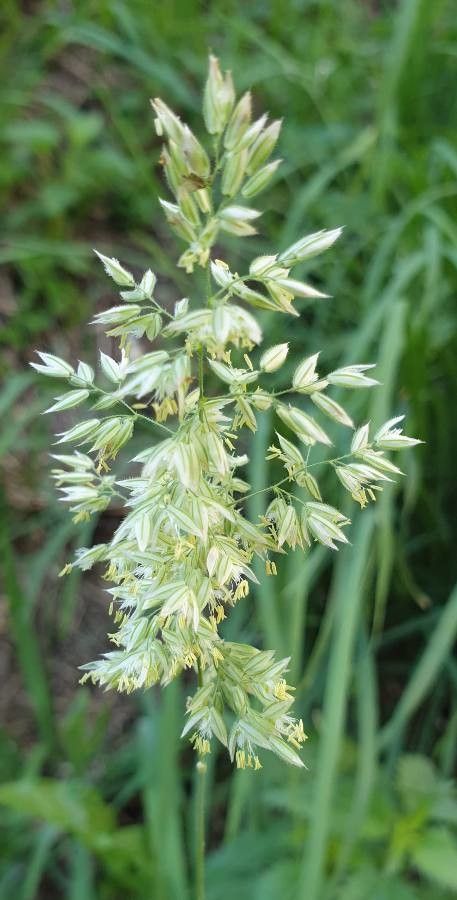
Collecting Seeds: Velvet Grass blooms from late spring to early summer, producing easily recognizable fluffy seed heads. Once these heads turn a straw-like color and seeds readily detach, it’s harvest time! Simply cut the seed heads and store them in a paper bag for a few days in a dry location to allow for further drying and easy seed release.
- Sowing Seeds: Timing is vital here. For best results, sow freshly harvested seeds in late summer or early fall. This allows the seeds to benefit from cooler temperatures and autumn rainfall, mimicking their natural life cycle. Simply sprinkle the seeds onto prepared soil, ensuring good contact with the ground, and lightly water. No need to bury them; Velvet Grass seeds germinate best with light exposure.
Division: For established clumps of Velvet Grass, division is an effective way to multiply your plants.
When to Divide: Spring or early fall, when the soil is moist and workable, is the ideal time to divide Velvet Grass.
Dividing the Clump: Dig up the entire clump with a garden fork, being careful not to damage the roots. Gently tease apart the clump into smaller sections, ensuring each section has a good amount of roots and shoots.
- Replanting: Replant the divisions at the same depth they were previously growing, water thoroughly, and keep the soil consistently moist until the plants are established.
Tips for Successful Propagation:
Soil Conditions: Holcus lanatus thrives in a wide range of soil types but prefers well-drained soil.
Sun Exposure: While it can tolerate some shade, Velvet Grass thrives in full sun to partial shade.
Moisture: Consistent moisture is important, especially for newly planted seeds and divisions.
- Considerate Control: Be mindful of its potential to spread. Regular mowing or cutting back the seed heads before they mature can help prevent unwanted self-seeding.
Whether you’re looking for erosion control, a low-maintenance ground cover, or simply appreciate the unique beauty of Velvet Grass, understanding its propagation methods can help you unlock its full potential. With a bit of knowledge and effort, you can successfully cultivate this often-misunderstood grass and appreciate its many benefits.