
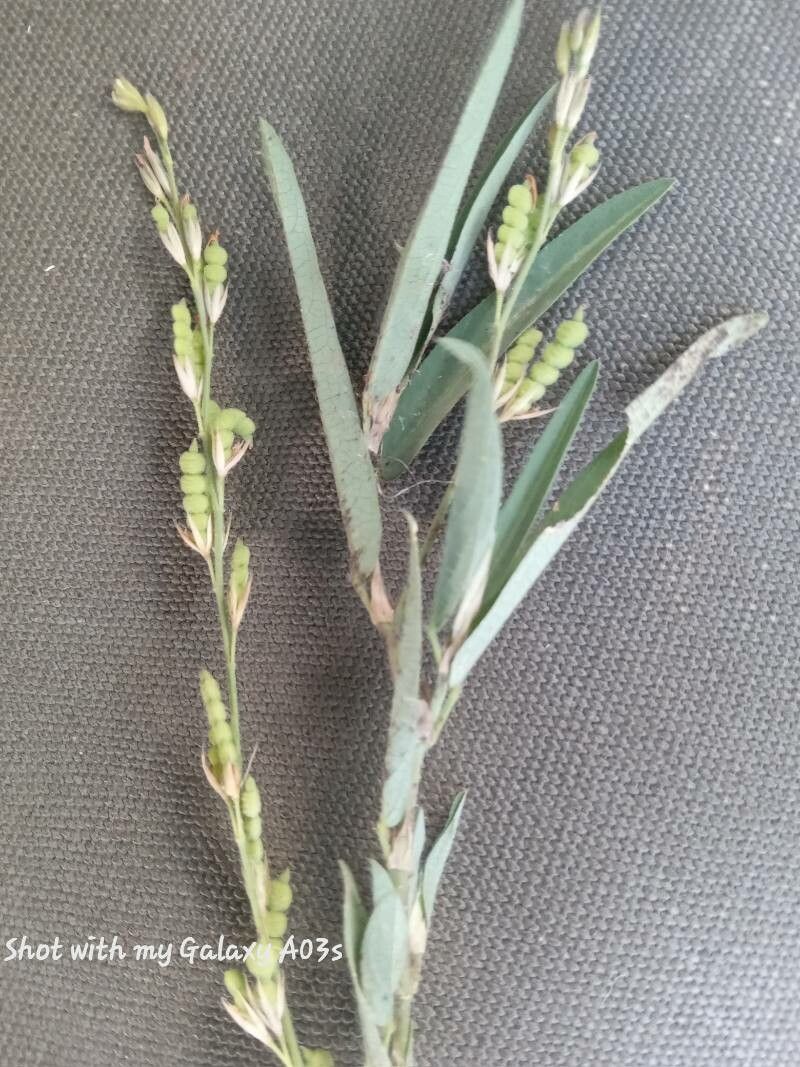
Seeding Success: How to Propagate the Alyce Clover (Alysicarpus glumaceus)
The Alyce clover (Alysicarpus glumaceus), also known as one-flowered alyce clover or purple tick clover, is often celebrated for its resilience and versatility. Native to Africa and Asia, this warm-season legume has found its way across the globe, proving itself valuable as a forage crop, ground cover, and nitrogen-fixer in various climates. If you’re looking to introduce this adaptable plant to your own land, understanding its propagation is key. Let’s explore the methods that will have your Alyce clover thriving in no time.
Propagation through Seed: Embracing the Direct Approach
Alyce clover is most commonly propagated through seed, a method that aligns with its naturally robust nature. Direct sowing is the preferred technique, allowing the plant to establish strong roots right from the start.
Timing is Everything: The ideal time for sowing Alyce clover depends largely on your climate. In warmer regions with mild winters, early spring is optimal, ensuring a long growing season. For cooler areas, late spring is recommended after the threat of frost has passed.
Preparing the Ground: While Alyce clover can tolerate poor soil conditions, providing it with a good start will yield the best results. Lightly till the soil to a depth of 2-3 inches, breaking up any large clumps and removing debris. If necessary, amend the soil with compost or well-rotted manure to improve drainage and fertility.
Sowing the Seeds: Alyce clover seeds are relatively small. Sow them evenly across the prepared area at a depth of ¼ to ½ inch. Aim for a spacing of about 6-8 inches between rows. After sowing, lightly rake the soil and water thoroughly, ensuring good seed-to-soil contact.
Germination and Beyond: With optimal conditions, germination typically occurs within 7-14 days. Be patient and keep the soil consistently moist but not waterlogged during this period. Once the seedlings emerge and reach a height of 2-3 inches, thin them out to maintain adequate spacing and encourage healthy growth.
Beyond Direct Sowing: Alternative Propagation Methods
While direct sowing is the most common and arguably the easiest method for propagating Alyce clover, there are alternative techniques you can consider:
Transplanting: If you prefer a head start or your climate poses challenges for direct sowing, starting seeds indoors can be beneficial. Sow seeds in seedling trays 4-6 weeks before the last anticipated frost. Once the seedlings are sturdy and the weather is favorable, transplant them into their permanent location.
- Vegetative Propagation: Though less common, Alyce clover can also be propagated through cuttings. Take stem cuttings of about 4-6 inches in length from healthy, established plants. Remove the lower leaves and dip the cut end in rooting hormone (optional). Plant the cuttings in a well-draining potting mix and keep them consistently moist in a warm, humid environment.
Reaping the Rewards of Your Labor
Whether you choose to direct sow, transplant, or experiment with cuttings, successfully propagating Alyce clover brings a multitude of benefits. From its nitrogen-fixing abilities that enhance soil fertility to its role as a nutritious forage crop for livestock, this versatile legume is a valuable addition to any land. With a little knowledge and effort, you can cultivate a thriving patch of Alyce clover and enjoy the rewards of this remarkable plant.